


As part of its commitment to realizing the Sustainable Development Goals (SDG 7 – Affordable and Clean Energy), Universitas Negeri Semarang (UNNES) continuously develops community-based programs that promote energy efficiency, renewable energy, and environmental awareness. Through diverse student and institutional initiatives, UNNES actively involves local communities in implementing and learning about clean energy technologies that are both practical and sustainable.

One of the flagship initiatives is the GIAT-9 Program, in which UNNES students creatively transform corn cobs (janggel jagung) which is previously considered agricultural waste, into a valuable source of alternative energy. This innovation, developed with farmers and rural youth, not only helps manage waste efficiently but also introduces rural households to the concept of bio-based energy. The project demonstrates how community empowerment can directly reduce dependence on fossil fuels while providing affordable and locally sourced energy alternatives.
In another project, the PPK Ormawa HIMA Ilmu Komputer (Information Systems Student Organization) collaborated with residents of Desa Gonoharjo, Kendal Regency, to install solar panels in local agricultural fields. This initiative aimed to supply renewable energy for irrigation and small-scale farming equipment while educating the community about the technical and environmental benefits of solar power. The program provided workshops and hands-on training for local farmers on system maintenance and energy monitoring, ensuring the project’s long-term sustainability.
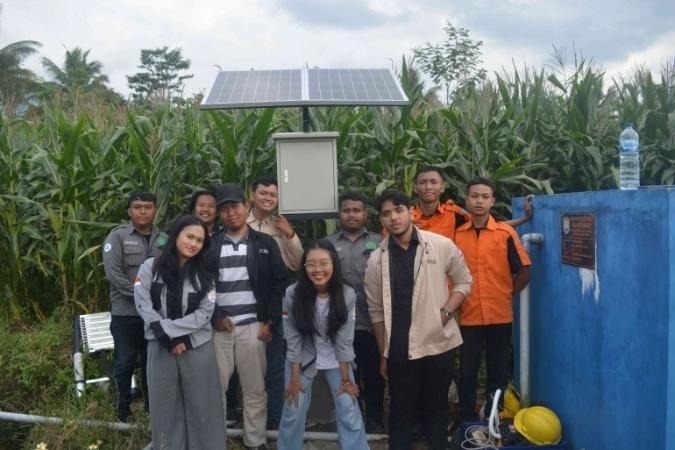
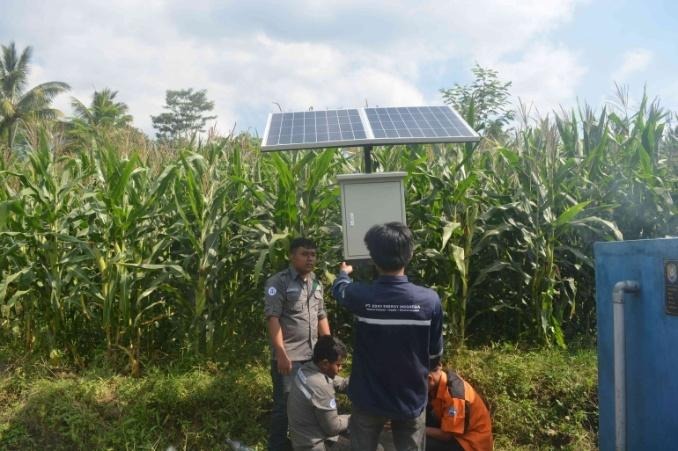
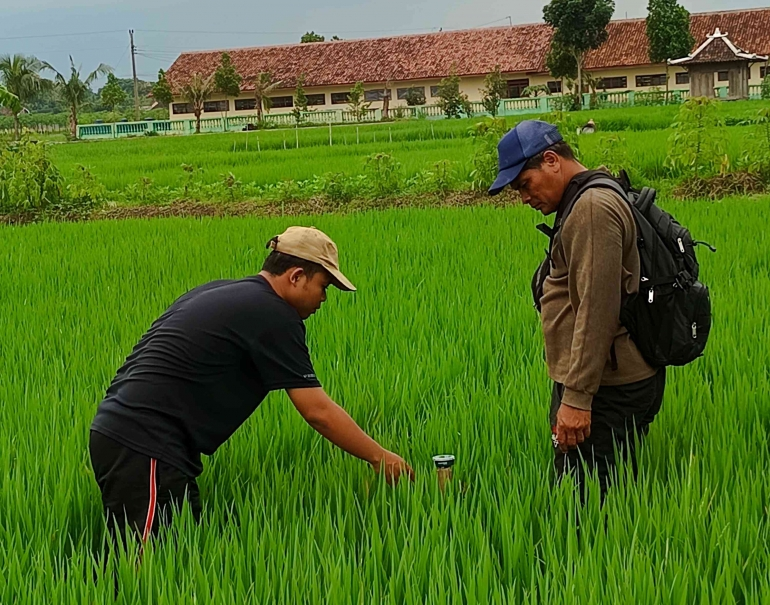
Clean energy innovation also reached Desa Tarubasan, where the UNNES GIAT-10 team introduced an ultrasonic pest-repellent device powered by solar energy. This technology provides a dual benefit: reducing the use of chemical pesticides and showcasing how solar energy can be harnessed for non-traditional applications. Farmers learned not only about sustainable pest control but also about the efficiency and reliability of renewable power systems.
In Desa Sriwulan, Limbangan, Kendal, UNNES students and faculty worked with the Ngudi Kawruh Farmer Group to install a biodigester that converts cow manure into biogas, serving as an alternative to LPG or wood fuel. This program illustrates UNNES’s strong emphasis on circular economy principles (turning livestock waste into a clean, renewable energy source) while providing local training on waste management, biodigester maintenance, and energy conservation.
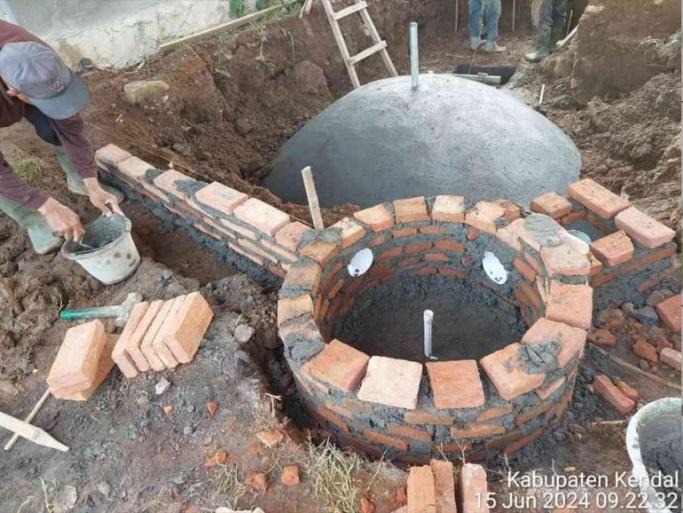
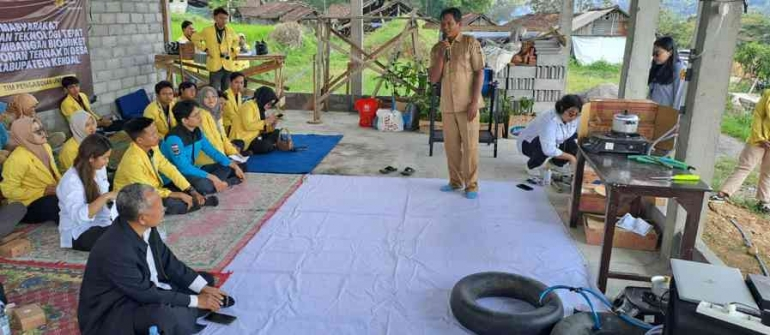
These initiatives demonstrate UNNES’s holistic approach to community engagement in the field of energy transition. They are part of a wider institutional strategy to integrate education, research, and community service to address local energy challenges. Each program not only transfers technological knowledge but also cultivates environmental consciousness and sustainable behavior among rural residents.
Through consistent outreach, innovation, and collaboration with local governments and industry partners, UNNES continues to advance its position as a leader in renewable energy education. These community-oriented projects serve as living laboratories where knowledge, technology, and local wisdom converge to build cleaner, more energyefficient rural ecosystems bringing Indonesia one step closer to a low-carbon and sustainable future.