Universitas Negeri Semarang (UNNES) continues to strengthen its commitment to sustainability by implementing a comprehensive sustainable procurement policy across the institution. This policy ensures that environmental, social, and economic considerations are integrated into all purchasing and procurement processes.
The policy is formalized under the Rector Regulation No. 79 of 2024 on Procurement of Goods and Services, which serves as the main guideline for procurement activities within the university. It emphasizes principles of efficiency, transparency, accountability, and sustainability, aligning procurement practices with UNNES’ vision as a conservation-oriented university.
Through this policy, UNNES ensures that procurement decisions consider environmental impacts, including resource efficiency, waste reduction, and the use of environmentally friendly products. Suppliers and partners are required to comply with legal, ethical, and sustainability standards, including adherence to responsible business practices.
In addition, the university has expanded the scope of its sustainable procurement practices to include outsourced service providers and construction partners. This ensures that sustainability principles are consistently applied across all operational areas, including infrastructure development and campus services.
UNNES also integrates sustainability criteria into vendor selection and evaluation processes. Environmental performance, compliance with regulations, and commitment to sustainable practices are key considerations in procurement decisions. This approach encourages suppliers to adopt more sustainable practices and supports the development of a green supply chain.
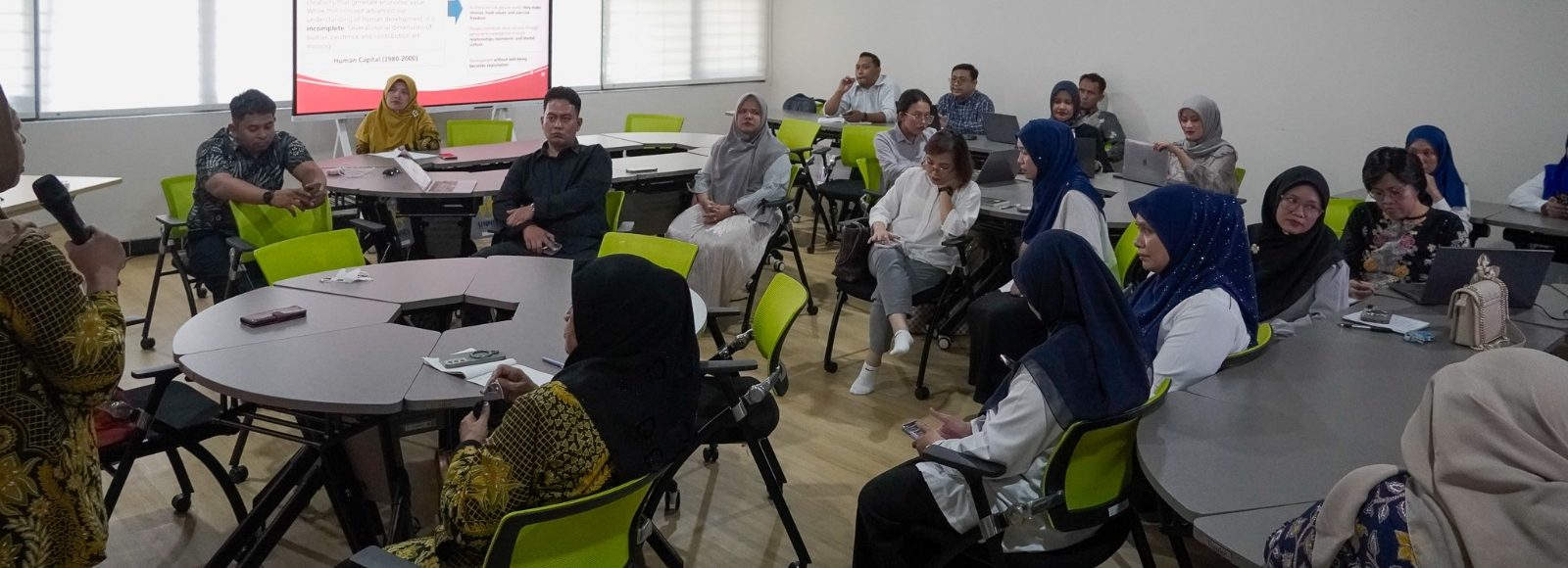
To support implementation, UNNES conducts internal coordination and capacity-building efforts among administrative staff responsible for procurement. These initiatives aim to ensure that all units understand and apply sustainability principles in purchasing decisions.
Through this policy and its implementation, UNNES demonstrates a strong institutional commitment to responsible consumption and sustainable resource management, contributing to broader sustainability goals at both national and global levels.