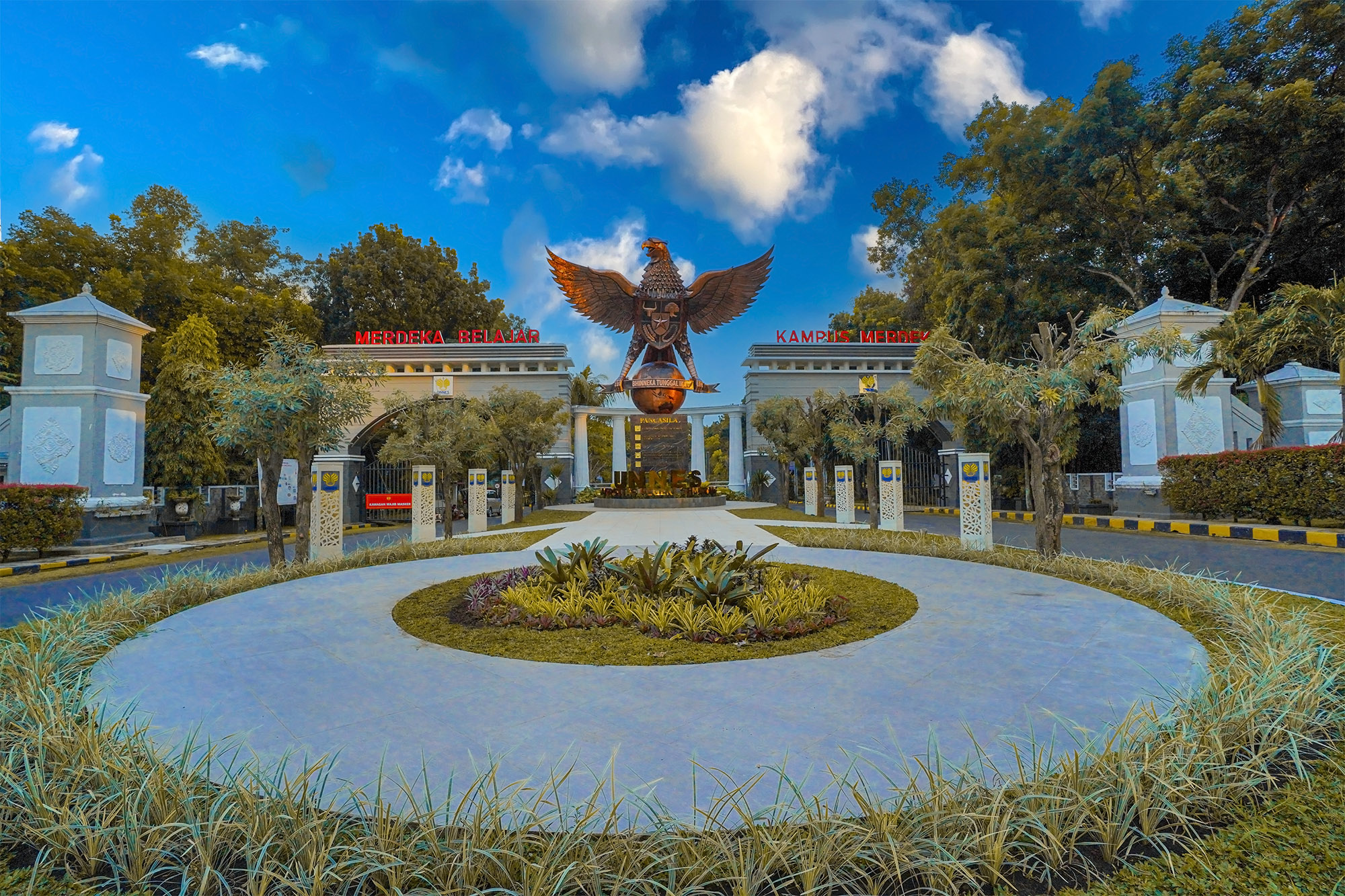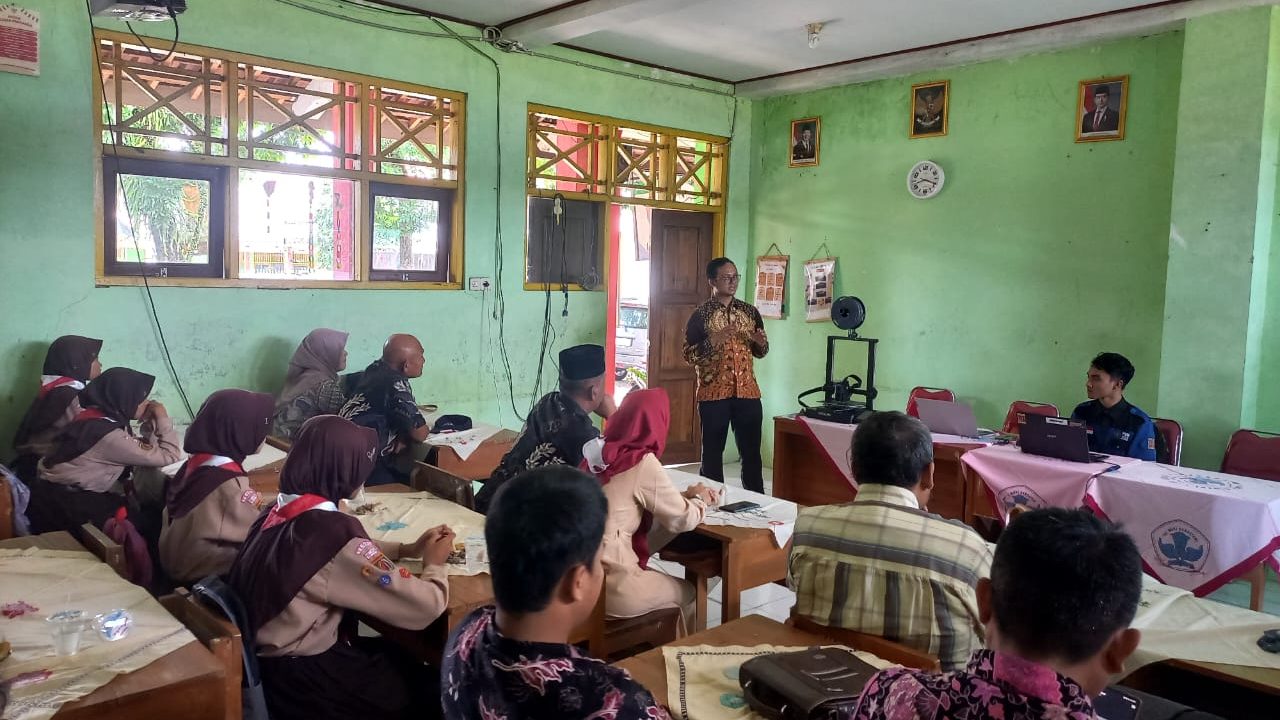
Universitas Negeri Semarang (UNNES) has reinforced its commitment to sustainable investment by implementing an integrated greenhouse gas (GHG) emission reduction program. This initiative aligns with the university’s broader environmental sustainability framework and addresses all three scopes of GHG emissions: direct emissions (Scope 1), indirect emissions from purchased electricity (Scope 2), and other indirect emissions from university activities (Scope 3).
In addressing Scope 1 emissions, UNNES has introduced a fleet of five electric shuttle cars, four electric golf carts, and a number of electric and conventional bicycles for intra-campus mobility. The institution has also enforced parking restrictions in designated zones and developed pedestrian-friendly pathways. Moreover, the entry of fossil-fuel-powered vehicles is limited to the main campus gate, promoting a more pedestrian-oriented environment.
To mitigate Scope 2 emissions, the university has installed over 1,200 solar panels across 14 major buildings, including the Rectorate, IT Center, Library, Entrepreneurship Building, LP2M, LP3, and all faculty buildings. These systems are integrated with an online energy monitoring platform that enables real-time tracking and optimization of electricity usage, significantly reducing reliance on electricity from the national grid (PLN).
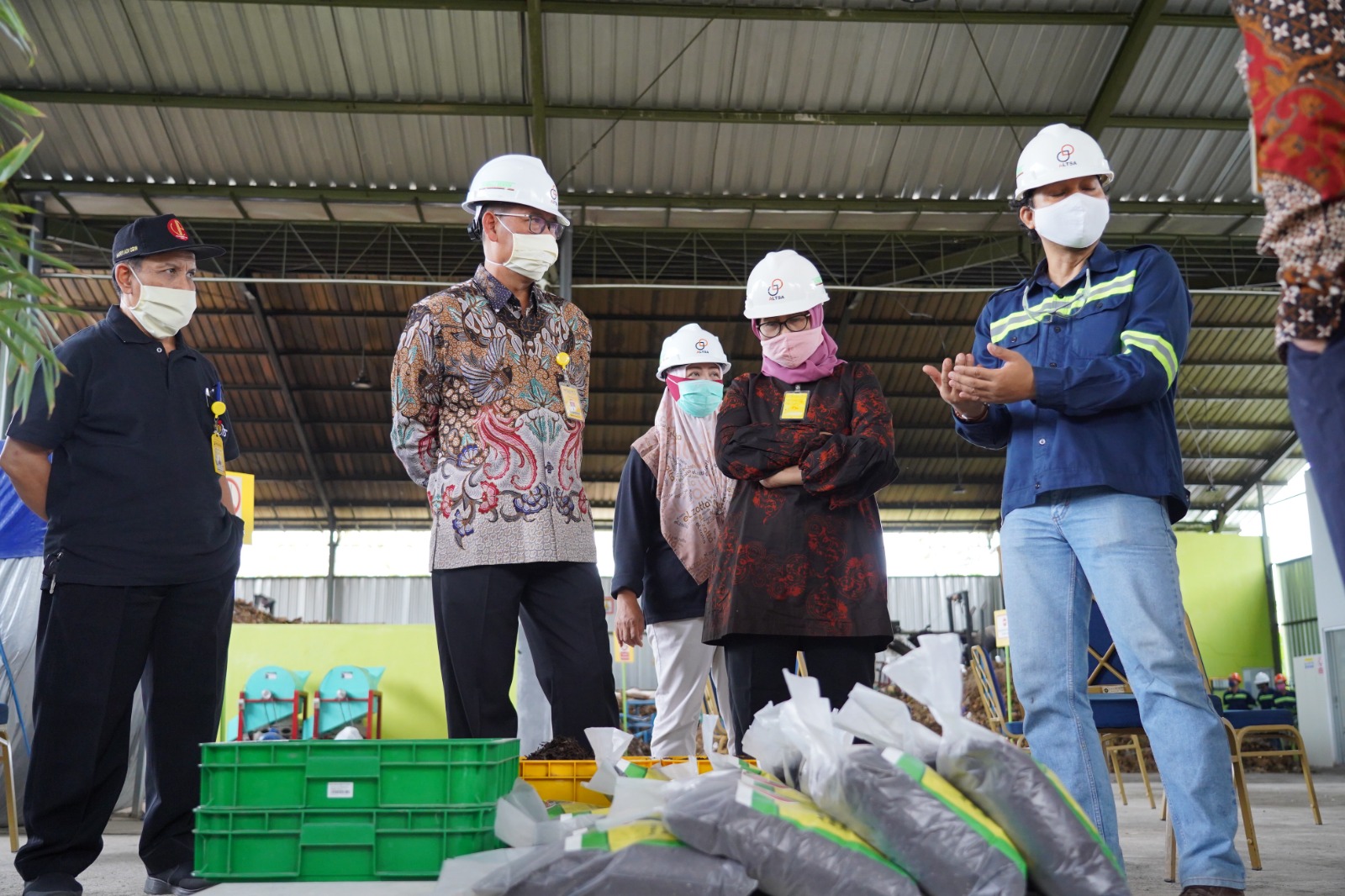
Regarding Scope 3 emissions, UNNES operates an Integrated Waste Management Facility (Tempat Pengolahan Sampah Terpadu or TPST) that processes organic waste, 80% of which is composed of leaf waste. This waste is converted into compost under the brand “UNNES ECOFARM,” producing an average of five tons per month. Additionally, food waste is utilized for Black Soldier Fly (BSF) maggot cultivation, yielding approximately 250 kg of maggot biomass monthly, which serves as a sustainable source of protein and aids in waste reduction.
This multi-pronged approach demonstrates UNNES’s strategic investment in sustainability, not merely as an environmental obligation but as a long-term commitment to ecological stewardship and institutional resilience. By embedding sustainability into its operational and investment policies, UNNES serves as a model for green campus development and fosters a culture of environmental responsibility among its academic community.