Universitas Negeri Semarang (UNNES) continues to demonstrate its strong commitment to meaningful education on sustainability and global citizenship across all disciplines. This initiative reflects the university’s vision as a “Conservation University with International Reputation.”
Mandatory SDG Education for All Students
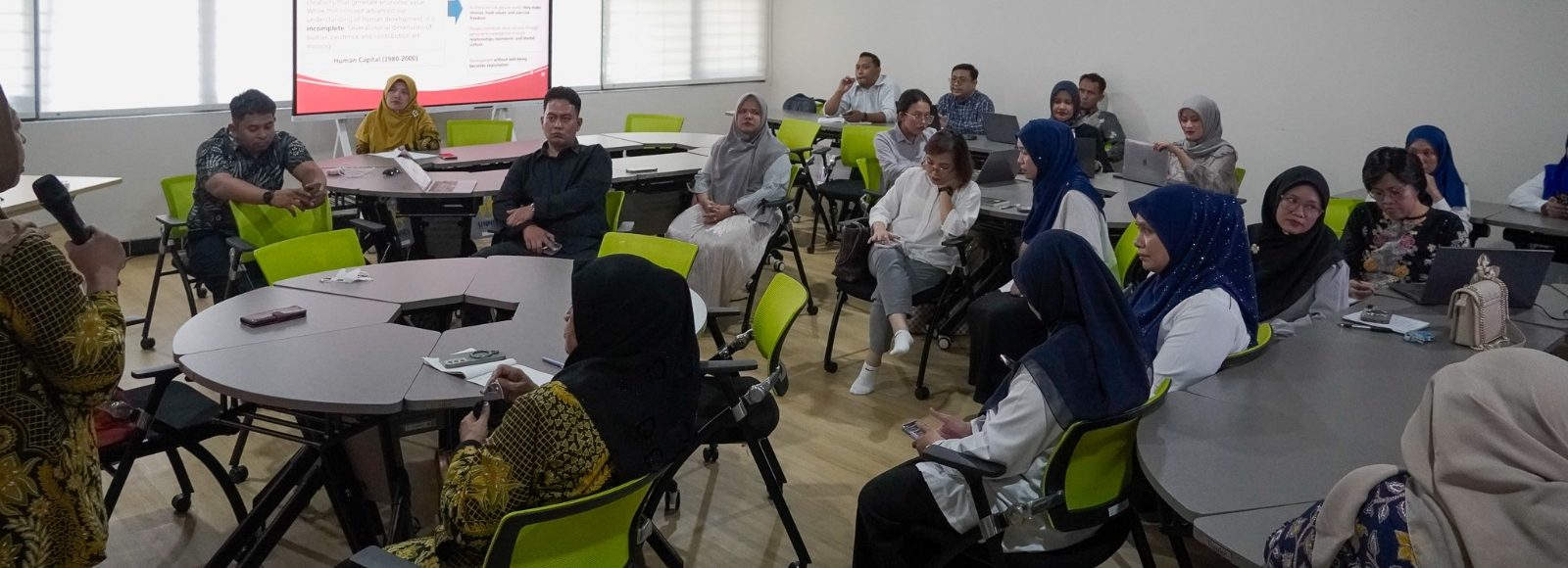
At UNNES, every undergraduate student is required to complete a mandatory Conservation Education course designed to instill awareness and practical understanding of the Sustainable Development Goals (SDGs). The course covers the environmental, social, economic, and cultural dimensions of sustainability—ensuring that 100% of undergraduate students engage with sustainability principles, regardless of their academic discipline.
Each year, more than 13,500 students participate in this SDG-focused course, achieving an impressive completion rate of 98%. The course employs interactive learning methods, case studies, and real-world applications, encouraging students to actively contribute to local sustainability initiatives across Semarang and Central Java. Through experiential learning, students collaborate with communities to address environmental conservation, waste management, and social inclusion.As part of its commitment, UNNES requires all undergraduate students to take a mandatory Conservation Education course. The course introduces environmental, social, and cultural dimensions of sustainability, ensuring that every student develops awareness and responsibility toward sustainable living and community well-being.
SDG Integration Across the Curriculum
Beyond the mandatory course, UNNES integrates sustainability principles throughout its academic ecosystem. The university currently offers 1,530 courses, with 353 of them containing environmental conservation materials.
These courses are spread across 16 faculties, including education, engineering, economics, law, social sciences, and the arts. SDG concepts are embedded into learning objectives, assessments, and student projects, ensuring that sustainability is approached from a cross-disciplinary perspective. This model reinforces UNNES’s leadership in building a generation of scholars who can bridge academic knowledge with real-world sustainable practices.
Global Engagement through International Teaching Programs
UNNES extends its sustainability mission beyond borders through the LANTIP Internasional (International Teaching Internship Program), managed by the Office of International Affairs (Kantor Urusan Internasional). This program allows students to gain hands-on international teaching experience that combines educational innovation with cross-cultural collaboration.
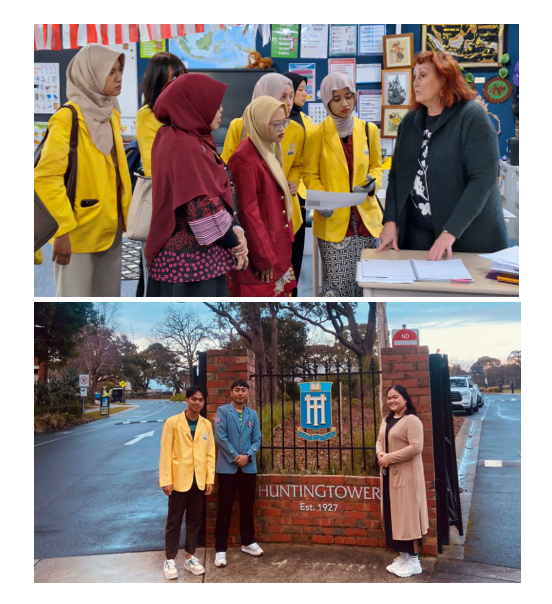
Outbound Program:
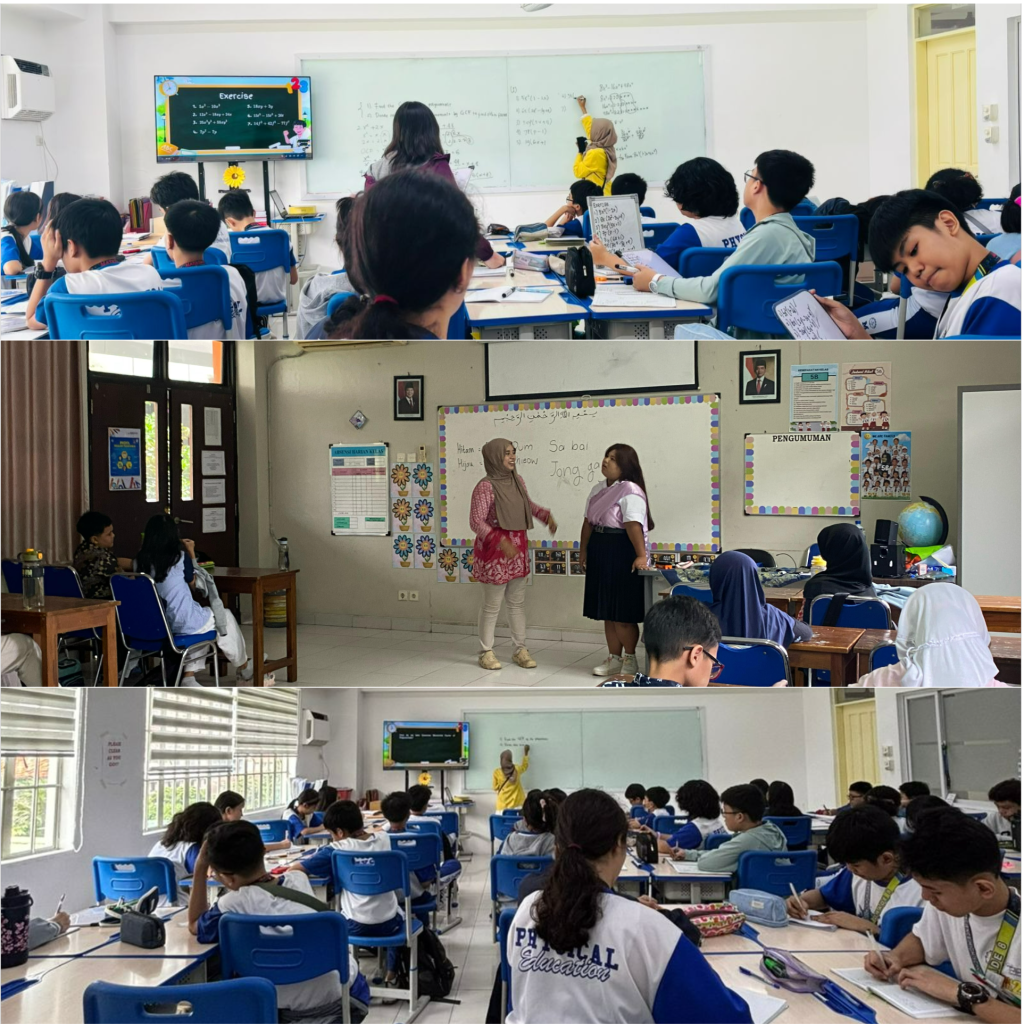
UNNES students teach in partner schools across Australia and the Philippines, integrating sustainability and digital innovation into classroom instruction.
- Australia: Students teach Bahasa Indonesia for Foreign Speakers (BIPA) and introduce Indonesian culture in collaboration with the Badan Bahasa (Language Development Agency). Partner schools include Hunting Tower School Melbourne, Braemar School Victoria, Trinity Christian School Canberra, Islamic School Canberra, and Saint Clare of Assisi Canberra.
- Philippines: Students teach mathematics, science, and information technology using interactive, AI-based media at Manila Science High School and Epifanio Delos Santos Elementary School.
Inbound Program:
International students from Kasetsart University (Thailand) and VIA University College (Denmark) teach at UNNES Labschool, applying bilingual and scientific literacy approaches alongside local mentor teachers. The reciprocal partnership with Kasetsart University takes place annually from February to March, emphasizing sustainable pedagogy and cross-cultural understanding.
Through these programs, UNNES strengthens its students’ global competence while promoting the exchange of sustainable education practices with partner institutions worldwide.
Community Engagement and Research Initiatives
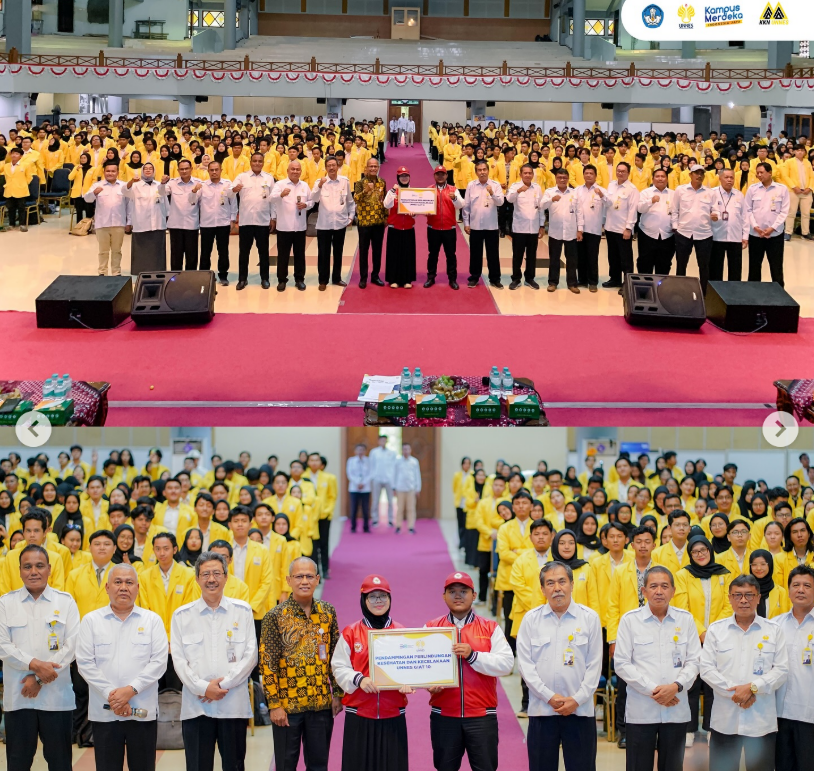
Beyond formal education, UNNES actively engages students and faculty in SDG-oriented community service and research activities. Each year, over 4,000 students participate in sustainability-driven projects through Kuliah Kerja Nyata (KKN) and other outreach initiatives, in partnership with local governments, NGOs, and industries.
In 2024, UNNES facilitated more than 50 SDG-related research projects, generating data-driven solutions to challenges in climate resilience, clean energy, gender equality, and social justice. The university also provides annual grants and scholarships for SDG-focused student research, encouraging innovation and community impact.
Approximately 80% of UNNES faculty members are involved in research or community engagement projects that directly contribute to one or more SDGs—demonstrating the institution’s strong research ecosystem for sustainable development.
Educating for a Sustainable Future
Through this integrated approach—combining curriculum development, research innovation, international collaboration, and community engagement—UNNES ensures that every student not only learns about sustainability but also lives it. The university’s model of education empowers graduates who are academically competent, environmentally conscious, and globally engaged, ready to lead change toward a more sustainable and equitable world.