Universitas Negeri Semarang (UNNES) reaffirms its unwavering commitment to equity, diversity, and inclusion through a series of comprehensive policies and actions designed to eliminate discrimination and promote gender equality across the university community.
UNNES upholds an anti-discrimination policy, embedded in both institutional practice and formal regulations, ensuring that every student, staff member, and faculty member is treated with fairness, dignity, and respect.
Institutional Commitment: Circular Letter and Rector’s Regulations
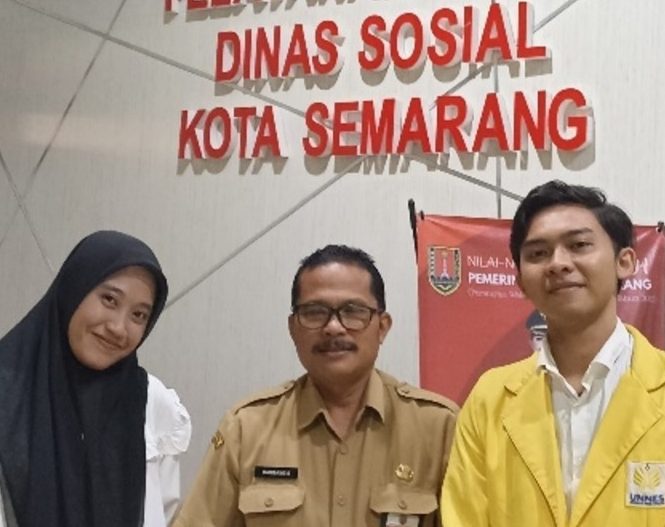
The UNNES Faculty of Social and Political Sciences (FISIP) RSH PKM Team Study Supports Legal Protection Efforts for Semarang Street Women with Mental Disorders (ODGJ) from Sexual Violence, Source: UNNES’ Documentation
The university’s official stance is articulated in the Circular Letter Number B/996/UN37/KP.06.05/2024, which outlines UNNES’s commitment to being an inclusive and anti-discriminatory campus. The letter affirms that discrimination—on the basis of gender, disability, ethnicity, religion, or other identities—has no place in the academic environment of UNNES.
This policy framework is further reinforced by Rector’s Regulation Number 24 of 2021 on the Prevention and Handling of Sexual Violence, which explicitly prohibits discrimination, harassment, and any actions that hinder equal participation in academic activities. The regulation mandates comprehensive prevention mechanisms, complaint procedures, and sanctions for violators, ensuring a safe and respectful academic environment.
UNNES also implements Rector’s Regulation Number 115 of 2024, which governs anti-harassment and equality practices, particularly the provision of counseling, advocacy, and reporting services for victims of discrimination or violence. These efforts are part of a coherent institutional policy aimed at fostering a secure and inclusive educational ecosystem.
The PPKS Task Force: Prevention and Enforcement

Satgas PPK UNNES Photo Profile, Source: Satgas PPKS UNNES
To operationalize these policies, UNNES established the Task Force for the Prevention and Handling of Sexual Violence (PPKS), a dedicated unit that implements, monitors, and enforces anti-discrimination and anti-harassment measures across all faculties and departments.
The task force collaborates closely with the Language, Education, Training, Career, Counseling, and Disability Service Center (PLBPP) and other campus units to ensure that victims receive comprehensive support — including counseling, legal assistance, and academic accommodations where necessary.
Creating an Inclusive Academic Culture
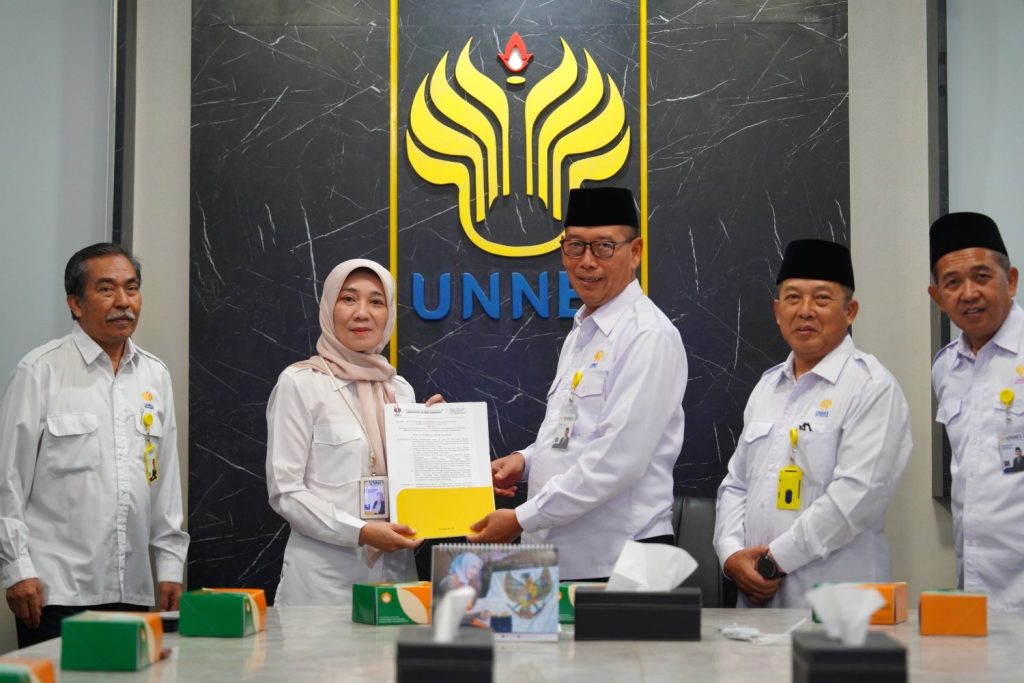
UNNES’s approach extends beyond policy compliance to fostering a culturally inclusive academic environment. The university actively rejects gender discrimination and supports the representation of women and marginalized groups in leadership and governance roles.
Accessible complaint channels are integrated with national reporting systems, ensuring that all cases of discrimination and harassment are handled transparently and in line with legal standards.
In addition, the university promotes broader inclusion initiatives, including:
- The establishment of a Disability Support Unit,
- The provision of interfaith prayer rooms across campus,
- Regular training and workshops on gender sensitivity, and
- Awareness campaigns emphasizing respect, empathy, and human rights.
Anchored in Human Rights and Sustainable Development
All these initiatives are rooted in UNNES’s dedication to universal human rights values and Indonesia’s legal frameworks for gender equality and non-discrimination. They also align with the United Nations Sustainable Development Goals (SDGs), especially Goal 5 (Gender Equality) and Goal 16 (Peace, Justice, and Strong Institutions).
“UNNES is committed to building a campus that is not only intellectually vibrant but also morally and socially just,” said the Rector of UNNES. “Our anti-discrimination policies are the foundation of an inclusive and ethical academic culture that respects every individual.”