UNNES Promotes Clean and Healthy Living Through Drinkable Water Tap Initiative
Semarang – Universitas Negeri Semarang (UNNES) continues to strengthen its commitment to sustainability and public health through the Drinkable Water Tap initiative, ensuring access to clean and safe drinking water for the entire university community.
This program reflects UNNES’s vision as a World Reputable University and a Pioneer of Excellence in Education, integrating sustainable water management into campus life.
Ensuring Access to Treated and Safe Water
In 2024, UNNES reaffirmed its leadership in sustainable resource management by ensuring that more than 80% of the total water used on campus is treated through ozonation and filtration systems.
This process guarantees water safety and quality for various daily uses — including drinking, sanitation, and ablution.
According to the 2024 UI GreenMetric data, the total water managed on campus reaches 412,275 liters per day, with 339,786 liters per day (82%) classified as treated water.
This clean water supports around 17,000 daily users across faculties and institutional units, such as FMIPA, FEB, FT, FISIP, FBS, FIPP, FH, FK, and LPPM.
Drinkable Water Tap Facilities Across Campus
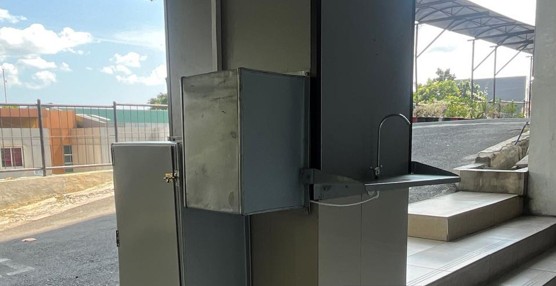
UNNES provides Drinkable Water Tap facilities equipped with filtration systems in several key locations, including FMIPA, FEB, FT, LPPM, LP3, FISIP, and FH.
These installations allow students, staff, and lecturers to refill their personal bottles or tumblers directly from safe, drinkable tap water.
By encouraging the use of refillable containers, UNNES not only promotes healthy hydration but also contributes to reducing plastic waste on campus — supporting the university’s green lifestyle movement.
Clean Water for Spiritual and Sanitation Facilities
UNNES ensures that clean and treated water is available not only for drinking but also for worship and sanitation facilities.
The Ulul Albab Mosque, FIPP Musholla, FT Mosque, and the Rectorate Mosque are equipped with reliable clean water systems to support ablution (wudhu) and religious activities.
In addition, the campus sanitation system is fully supported by treated water distributed through washbasins, urinals, and toilets in all buildings.
This initiative guarantees that all users have access to hygienic facilities while maintaining efficient water consumption.
Health and Hygiene Infrastructure Post-Pandemic
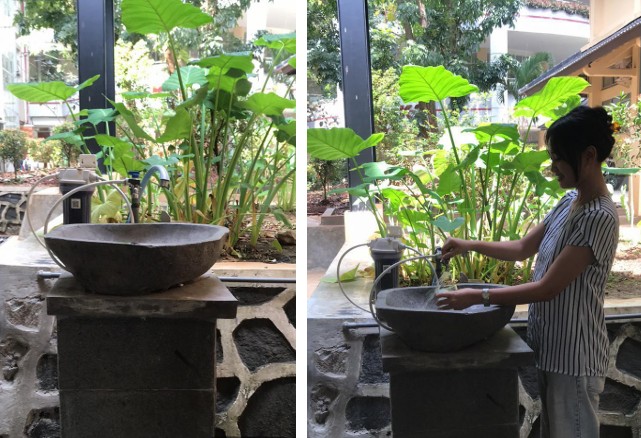
Even after the official conclusion of the COVID-19 pandemic, UNNES maintains its commitment to public health by providing at least 121 handwashing stations across various campus buildings.
These stations are directly connected to the clean water system, ensuring continuous water flow and hygiene access for students, lecturers, and staff.
This infrastructure enhances health awareness and sanitation habits, reinforcing UNNES’s role as a campus that promotes both intellectual and physical well-being.
Supporting the Sustainable Development Goals (SDGs)
The Drinkable Water Tap initiative and overall treated water management system directly support several United Nations Sustainable Development Goals (SDGs):
- SDG 6: Clean Water and Sanitation – Ensuring availability and sustainable management of clean water and sanitation for all.
- SDG 3: Good Health and Well-being – Promoting well-being and hygiene through safe and accessible water systems.
- SDG 12: Responsible Consumption and Production – Encouraging waste reduction through refillable and eco-friendly practices.