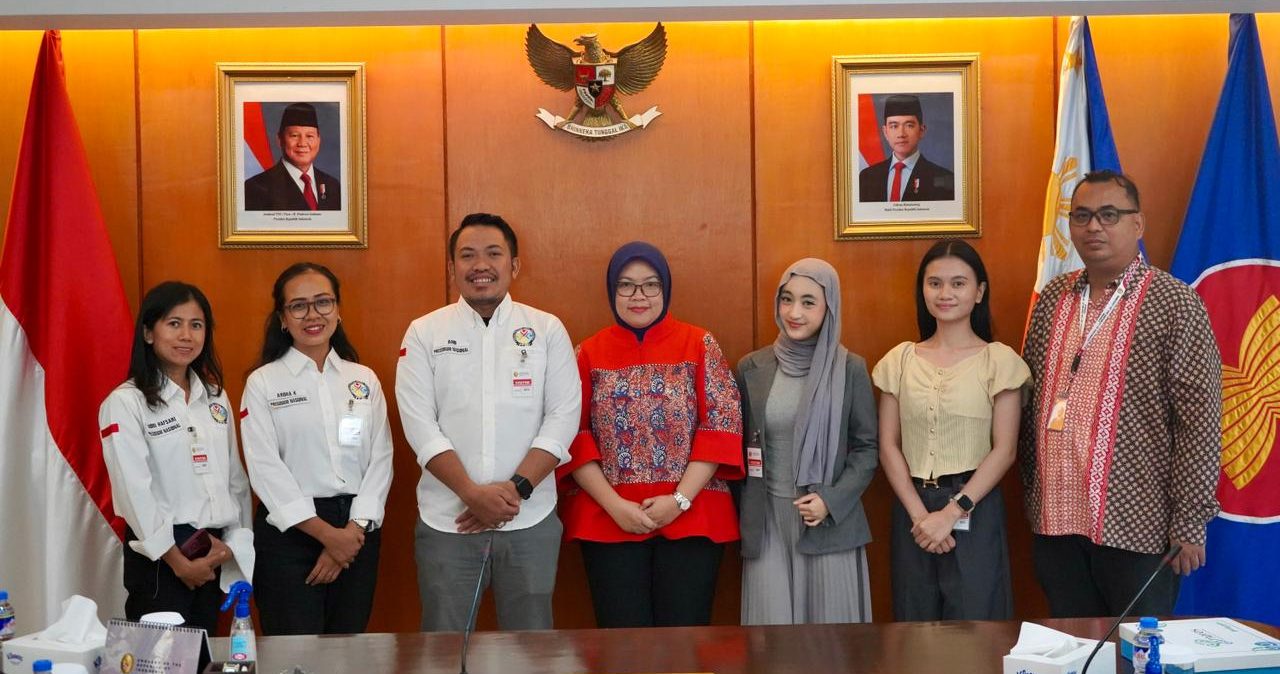
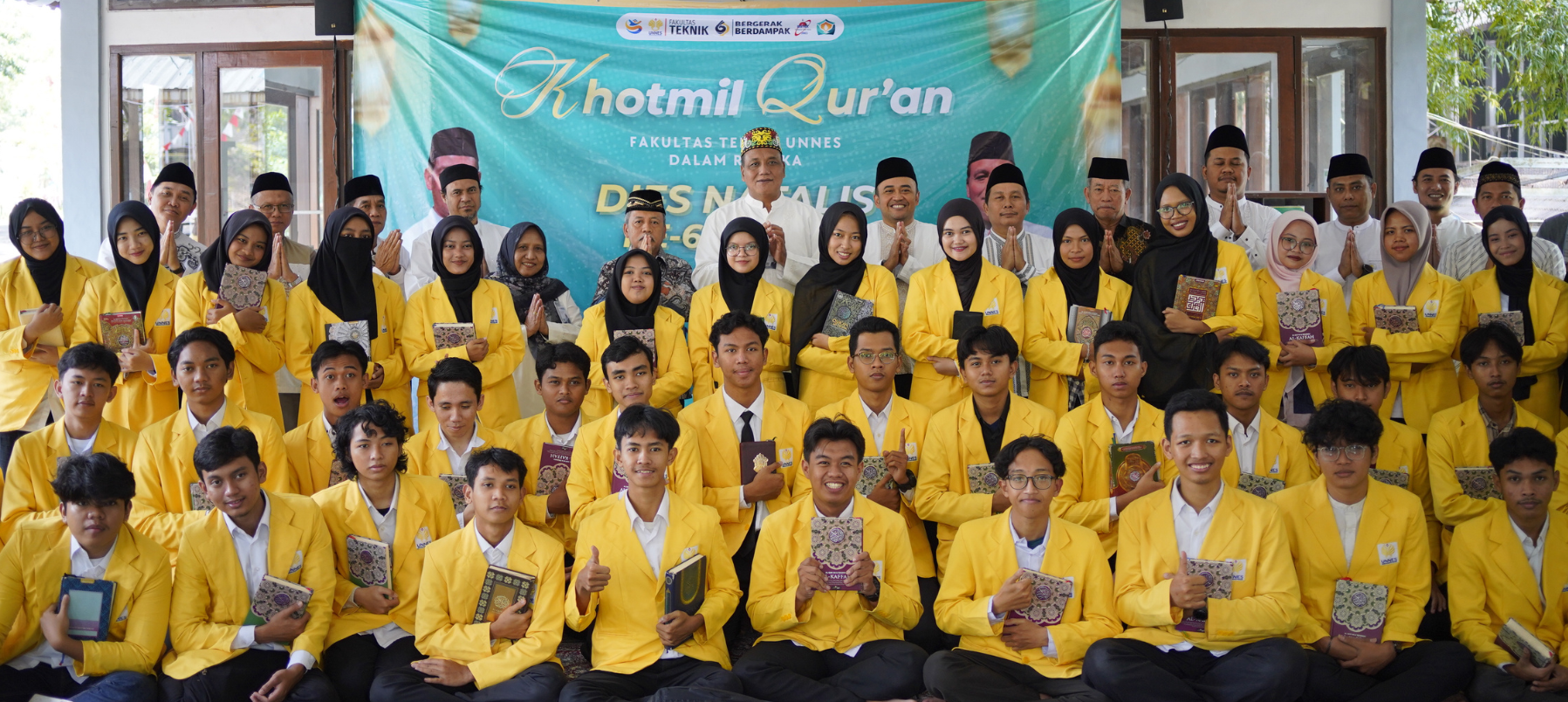
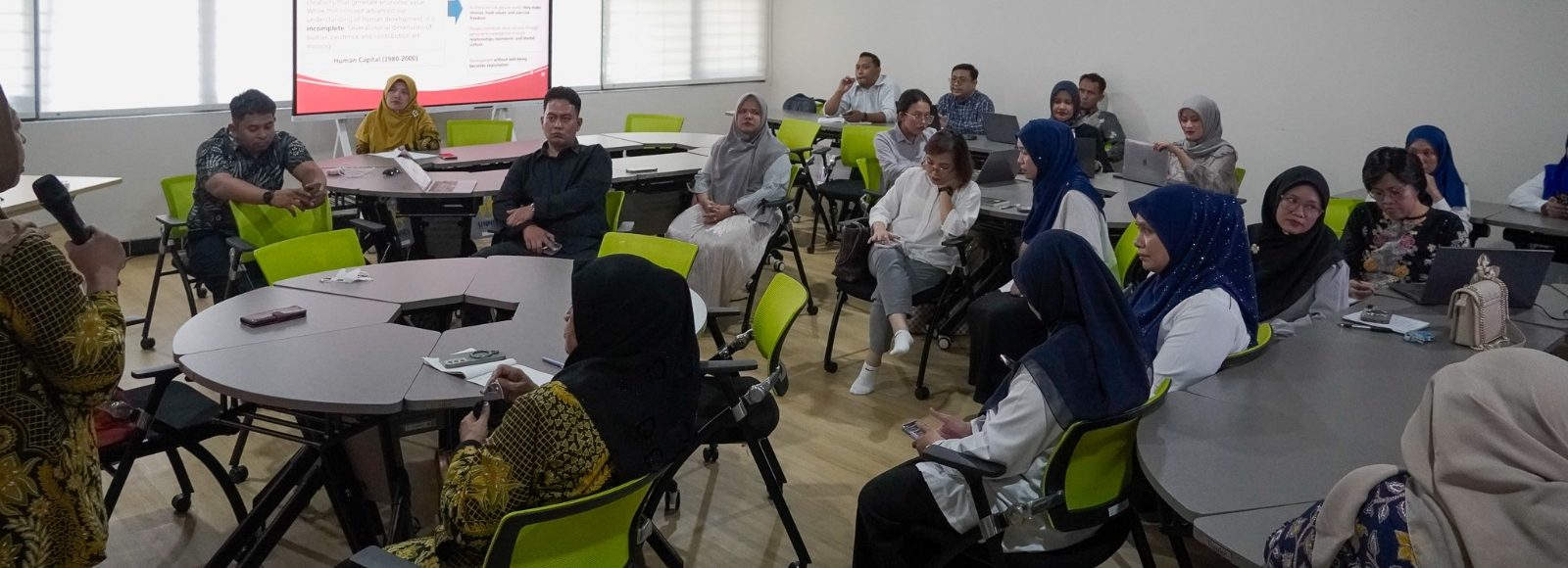
In alignment with Sustainable Development Goal 4 (SDG 4) on ensuring inclusive and equitable quality education and promoting lifelong learning opportunities for all, Universitas Negeri Semarang (UNNES) has established a strong commitment to making education accessible beyond its campus community. As part of this commitment, UNNES provides free and open access to a variety of educational resources for individuals who are not enrolled at the university. Through the Rumah Ilmu Library, public computer and internet facilities, open online courses (MOOCs), and public lecture programs, UNNES ensures that learning and knowledge sharing are available to everyone. This initiative reflects UNNES’s mission to foster inclusive education, reduce barriers to learning, and empower communities by extending the benefits of higher education to the wider public.
Open Access Policy and the Rumah Ilmu Library
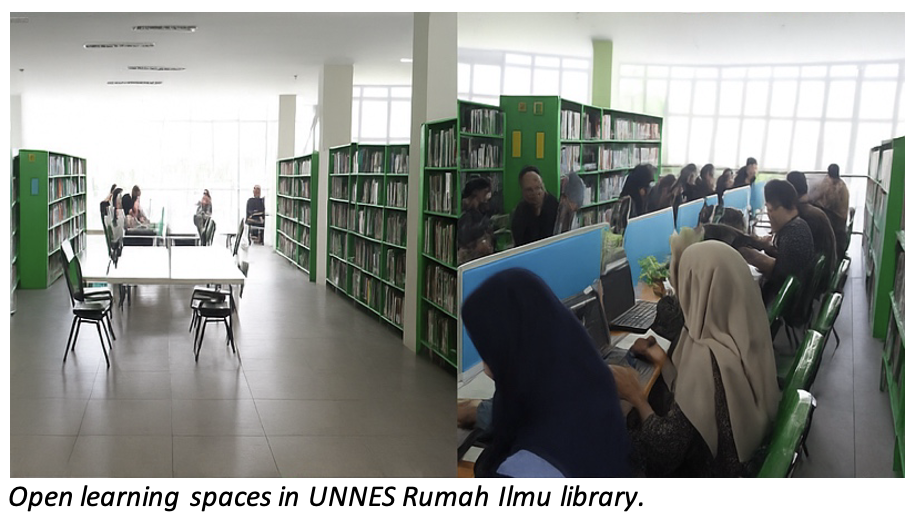
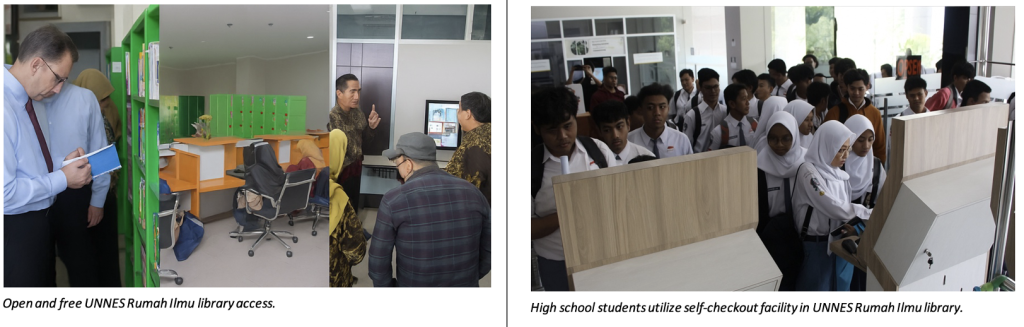
UNNES Policy No. B/28392/UN37/TA.01.02/2024 formally establishes the university’s commitment to free and open access to educational resources. This policy ensures that members of the public can utilize academic materials without restriction through both physical and digital platforms.The Rumah Ilmu Library serves as the central hub for this initiative, offering extensive collections of books, e-books, and e-journals, as well as a digital repository of theses and dissertations. To enhance user convenience, the library is equipped with RFID self-checkout technology, enabling efficient and independent borrowing services. By adopting this open-access approach, UNNES not only facilitates academic research and self-learning but also encourages collaboration and knowledge exchange between the university and the broader community.
Computers, Internet Access, and Extended Facilities for the Public
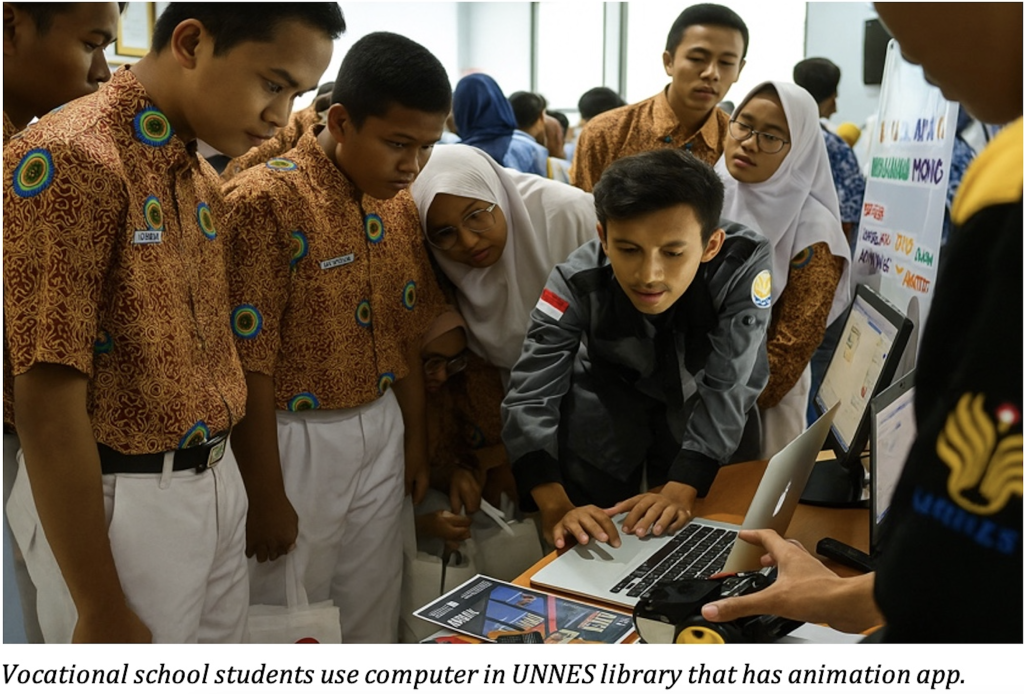
Beyond its collections, the Rumah Ilmu Library provides the public with free access to computers, the internet, and document facilities that support study, research, and digital learning. The library remains open until evening hours, allowing more flexible access for community members, educators, and professionals who wish to use its facilities after working hours. These provisions ensure that individuals—regardless of their institutional affiliation or economic background—can benefit from digital literacy resources and information technology infrastructure. Through this initiative, UNNES fulfills its social responsibility to bridge the digital divide and provide equal learning opportunities for all.
Free Online Courses through MOOCs
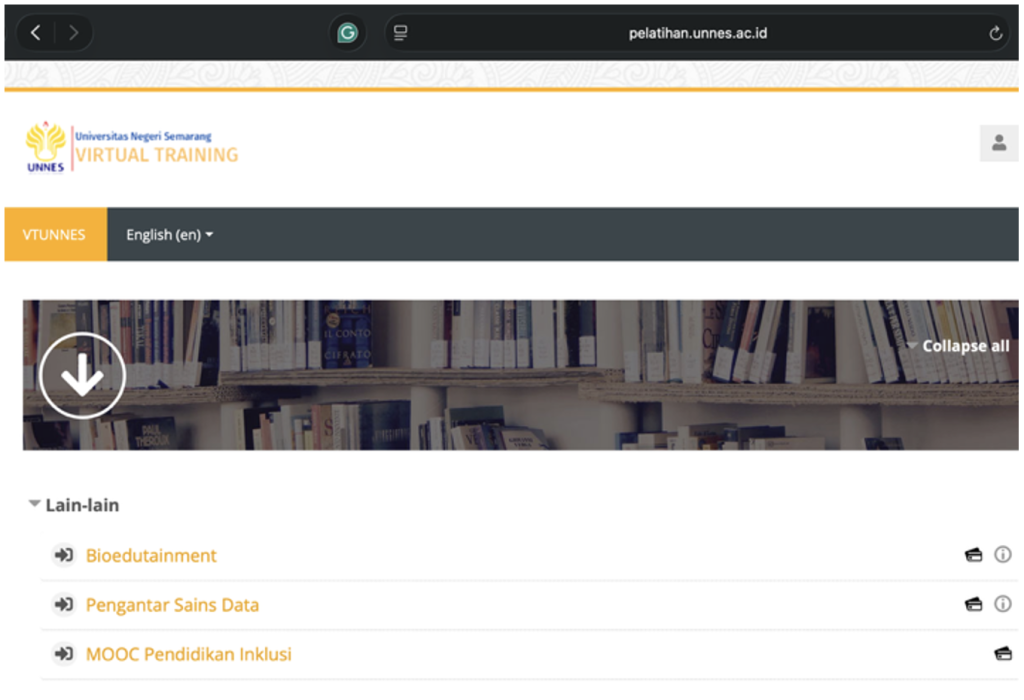
UNNES has also expanded its open learning ecosystem through Massive Open Online Courses (MOOCs), which provide free online courses to the public. In 2024, the MOOCs platform reached 86,923 users from diverse backgrounds, reflecting the university’s growing impact in promoting lifelong learning. These courses are designed to be inclusive and flexible, allowing learners from across Indonesia and abroad to engage with topics relevant to their personal and professional development. Each course is developed by UNNES’s academic experts and aims to foster accessible, self-paced learning aligned with SDG 4’s principles of inclusivity and equity.
Public Lectures and Community Engagement
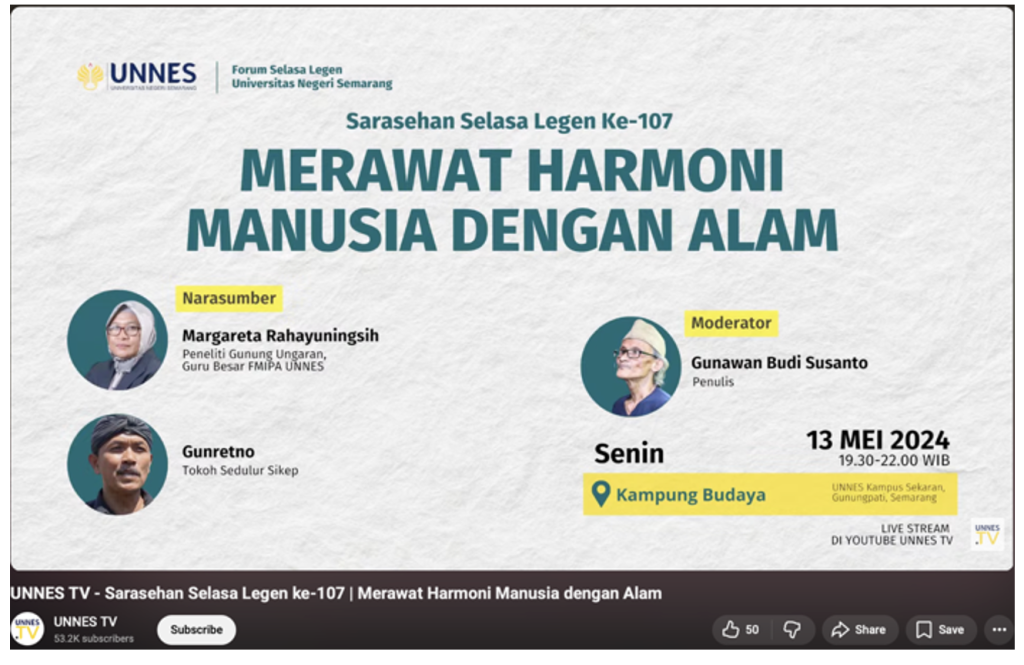
Complementing its digital learning initiatives, UNNES regularly organizes open public lectures that are free to attend and award certificates to participants. These lectures cover a wide range of topics including entrepreneurship, sustainability, conservation, innovation, education, sports, health, law, natural sciences, research, arts and culture, and social phenomena. Participants include community members, local residents, teachers, and high school students, ensuring broad social reach. Public lectures not only disseminate scientific and practical knowledge but also encourage dialogue between academics and the wider community, strengthening UNNES’s role as a center for inclusive education and public enlightenment.
Examples of Open and Public Learning Activities
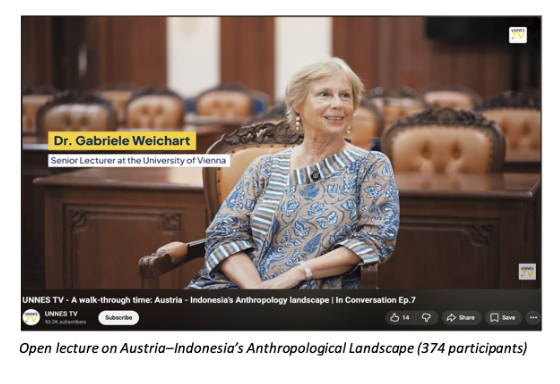
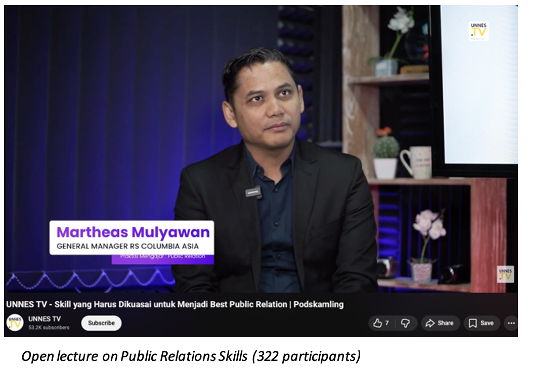
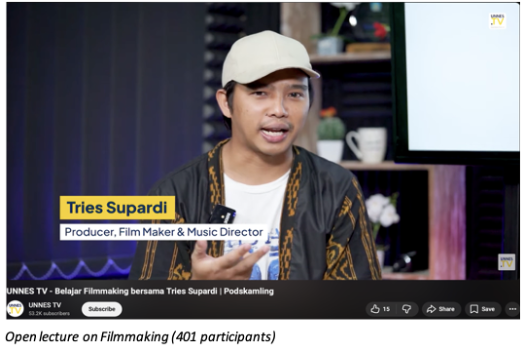
In 2024, UNNES hosted numerous open lectures and learning sessions that demonstrate the diversity and inclusivity of its educational outreach. Notable examples include Maintaining Human–Nature Harmony (877 participants), which explored sustainability and environmental awareness; Filmmaking (401 participants), focusing on creative industries and digital media skills; Austria–Indonesia’s Anthropological Landscape (374 participants), which promoted cross-cultural understanding; and Public Relations Skills (322 participants), emphasizing communication and professional development. These programs reflect UNNES’s holistic approach to education—connecting culture, science, and social relevance while nurturing lifelong learners within and beyond the campus.
Through comprehensive policies, accessible facilities, and a commitment to community-oriented education, Universitas Negeri Semarang (UNNES) exemplifies its dedication to achieving SDG 4. By providing free access to libraries, computers, digital repositories, online courses, and public lectures, UNNES ensures that education remains a shared resource open to all. These efforts not only expand learning opportunities beyond the university campus but also empower individuals and communities to grow intellectually and socially—advancing the global vision of inclusive, lifelong learning for sustainable development.