Universitas Negeri Semarang (UNNES) reaffirms its leadership in sustainable development by formally committing to achieving carbon neutrality by the year 2045. This institutional commitment is established through the Rector’s Decree Number B/3669/UN37/HK.02/2024 concerning UNNES’s Commitment to Achieving Carbon Neutrality by 2045.
The decree articulates a comprehensive, phased approach toward reducing campus carbon emissions and enhancing environmental quality. This initiative aligns directly with the achievement of Sustainable Development Goals (SDGs), with particular emphasis on SDG 7 (Affordable and Clean Energy), SDG 11 (Sustainable Cities and Communities), and SDG 13 (Climate Action).
The Rector of UNNES, Prof. S. Martono, M.Si., emphasized that this initiative represents both a strategic long-term goal and a moral and academic responsibility.
“Achieving carbon neutrality is not only a future-oriented target but also a reflection of our ethical commitment to the planet and future generations,” the Rector stated.
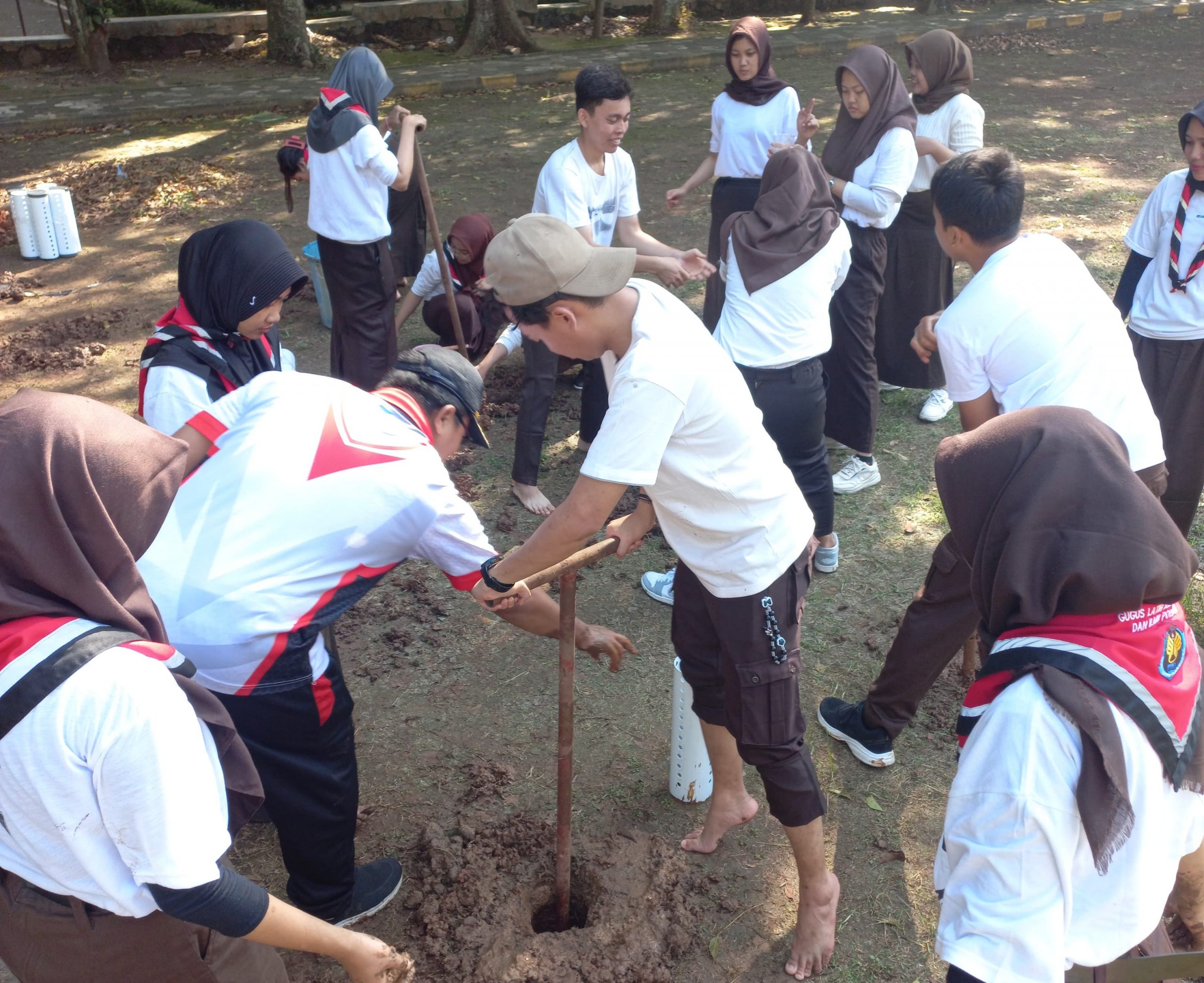
Key components of the commitment include: Promotion of eco-friendly transportation, including walking, cycling, electric motorcycles and cars, intra-campus shuttle buses, as well as the provision of pedestrian paths and dedicated bike lanes to reduce fossil fuel usage and emissions. Energy efficiency and adoption of renewable energy, supported by continuous monitoring of energy use to lower energy-related emissions. Smart and green building practices, with the provision of green open spaces accounting for 40% of total campus land area.Mandatory tree planting programs, requiring each new student to plant one tree upon enrollment; Balanced tree replacement policy, stipulating that any felled tree must be replaced by at least five saplings, each with a minimum height of two meters.
In addition, Water conservation strategies, encompassing water recycling, filtration systems, sustainable water management, and quality assurance; Strategic allocation of resources, including human resources, infrastructure, materials, and funding, to effectively implement carbon neutrality programs; Ongoing awareness campaigns, targeting faculty members, staff, students, and local communities surrounding the campus; Collaborative efforts, through partnerships with stakeholders and industries to support the carbon neutrality agenda; and Periodic monitoring and carbon accounting, serving as the foundation for evaluating progress toward carbon neutrality.
These measures exemplify UNNES’s commitment as a conservation-minded institution that prioritizes sustainability across academic, operational, and community engagement domains. By enacting this strategic commitment, UNNES reinforces its role as a higher education institution that not only excels in academia but also actively contributes to planetary sustainability and global development goals.
By enacting this strategic commitment, UNNES reinforces its role as a higher education institution that not only excels in academia but also actively contributes to planetary sustainability and global development goals.