Universitas Negeri Semarang (UNNES), as a Conservation University, has strengthened its environmental governance by implementing a comprehensive plan to minimize physical, chemical, and biological alterations to aquatic ecosystems. This plan integrates regulatory frameworks, wastewater treatment systems, and laboratory operational standards to ensure that campus scientific activities do not harm surrounding water environments.
Rector’s Regulation No. 127 of 2024
The cornerstone of this initiative is Rector’s Regulation No. 127 of 2024 on Green Campus Environmental Research, which mandates strict safeguards for laboratory operations. The regulation requires all faculties to adopt wastewater treatment mechanisms that prevent hazardous substances—including chemical residues, biological agents, and physical contaminants—from entering natural water systems.
Wastewater Treatment Systems in Laboratories
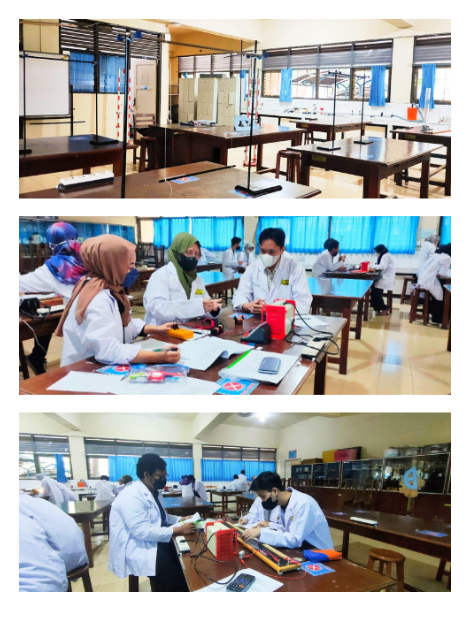
Laboratories across the Faculty of Mathematics and Natural Sciences (FMIPA) and the Faculty of Engineering are equipped with advanced wastewater treatment facilities. These systems neutralize or filter pollutants before discharge, ensuring compliance with national water quality standards and protecting aquatic ecosystems from degradation.
Standard Operating Procedures (SOPs)
To reinforce these safeguards, UNNES has published Standard Operating Procedures (SOPs) for laboratory operations, accessible via the UNNES SOP Portal. These SOPs include environmental safety protocols covering:
- Proper handling and disposal of chemical reagents
- Biological containment measures
- Physical waste management and filtration standards
Supporting documents such as the Panduan Standar Teknis H-BAT (UNNES Press) and the Environmental Research Green Campus Regulation (UNNES SDGs Portal) provide detailed technical guidance for implementation.