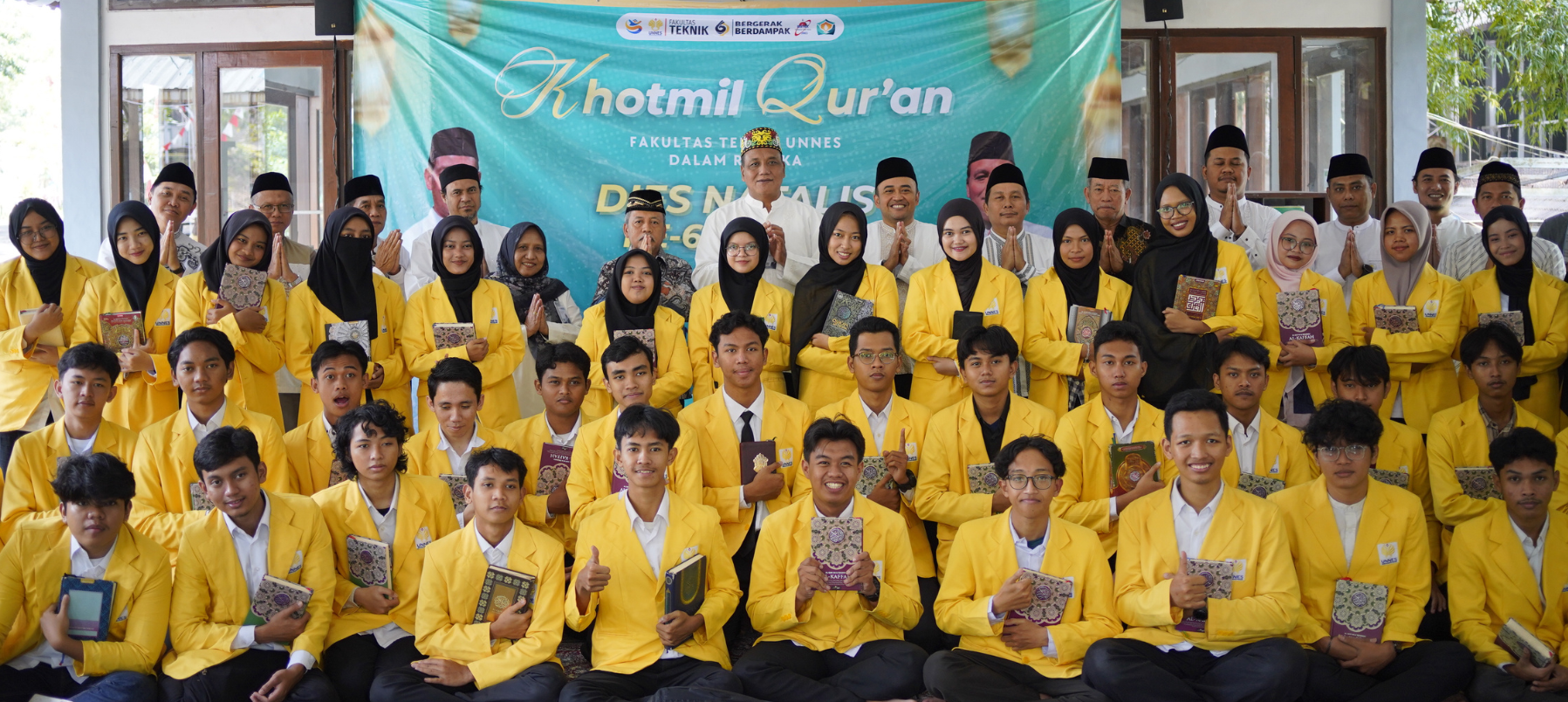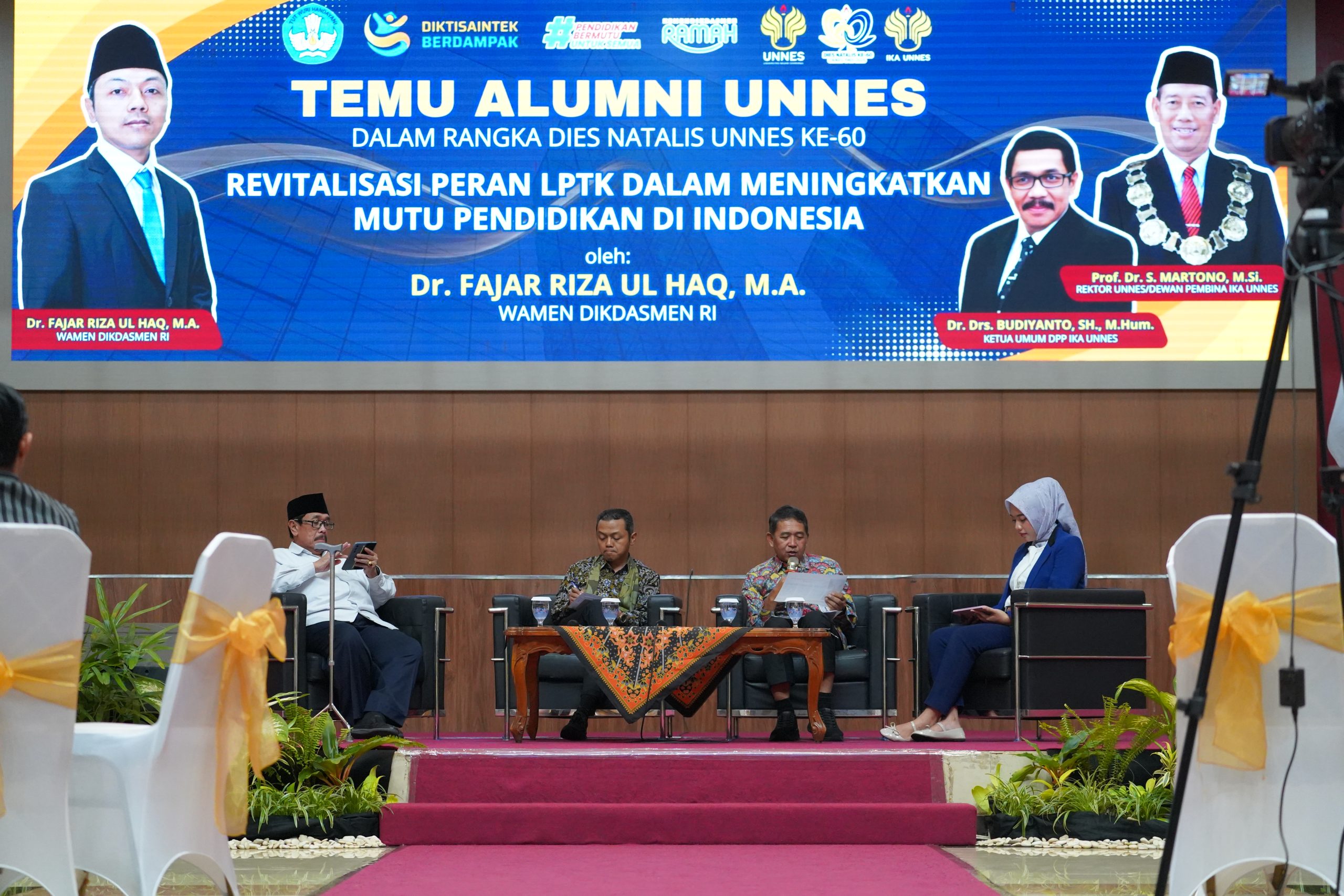
Universitas Negeri Semarang (UNNES) reaffirms its commitment to providing a neutral and safe platform for political stakeholders, policymakers, and civil society to engage in open, constructive dialogue. This initiative reflects the university’s dedication to upholding academic freedom, freedom of expression, and scientific autonomy core principles that define a democratic and inclusive academic environment.
The legal foundation for this commitment is established in Government Regulation No. 36 of 2022 on UNNES as a State University with Legal Entity Status, particularly Article 24, Section Five, which explicitly guarantees academic freedom and scientific autonomy for all members of the academic community. This provision is further reinforced by Rector Regulation No. 120 of 2024 on the Implementation of Academic Freedom, Freedom of Academic Expression, and Scientific Autonomy, which emphasizes that such freedoms must be grounded in the principles of scientific truth, integrity, justice, utility, virtue, and responsibility.
Through these legal instruments, UNNES ensures that the campus serves as a “safe space” for open public discourse where diverse viewpoints can be expressed without fear or bias. The university maintains strict neutrality and independence especially during politically sensitive periods such as national election demonstrating its role as a trusted intellectual partner in democratic processes.
Ahead of Indonesia’s 2024 General Election, UNNES emphasized its institutional neutrality and commitment to democracy. The university publicly reminded all civil servants and academic staff to uphold integrity and remain politically neutral as part of their ethical duty within academia (UNNES Urges ASN to Maintain Neutrality During Elections).
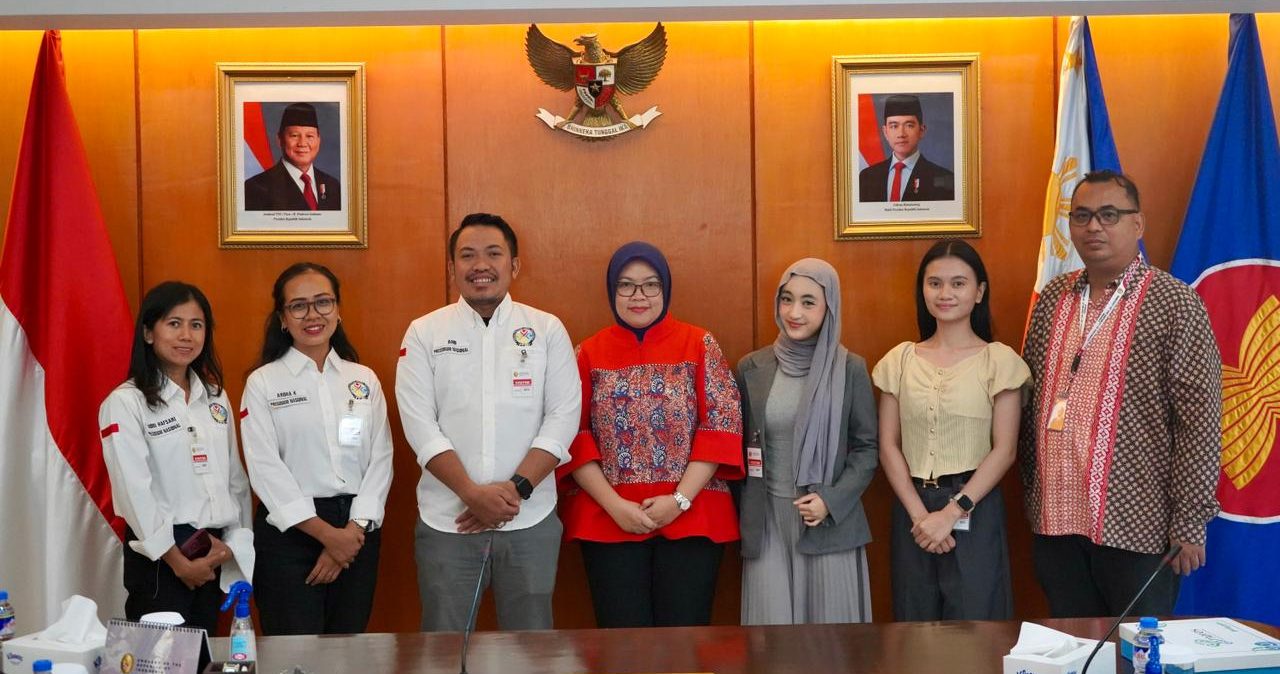
UNNES also strengthened civic education through formal collaboration with the General Elections Commission of the Republic of Indonesia (KPU RI), marked by the signing of a memorandum of understanding to advance democracy education and voter literacy. The partnership promotes joint seminars, workshops, and public discussions aimed at enhancing youth participation and ensuring that democratic engagement is informed and inclusive.
In addition, the Central Java Provincial Election Commission conducted an audience visit to UNNES to encourage students to actively support peaceful and transparent elections. This collaboration highlights the university’s proactive role in bridging the academic community and public institutions to strengthen participatory democracy.
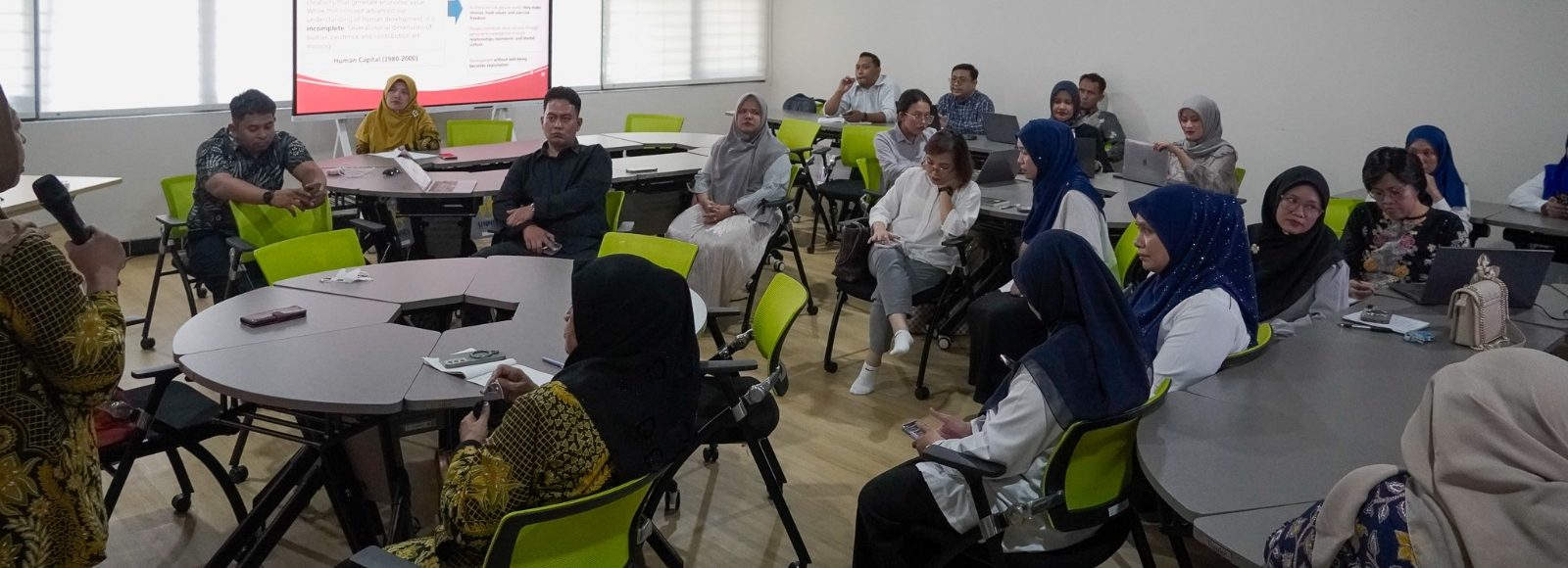
UNNES’s Faculty of Law, in partnership with the People’s Consultative Assembly of the Republic of Indonesia (MPR RI), hosted a national Focus Group Discussion (FGD) on legal and constitutional issues. The event brought together academics, legislators, and legal experts to exchange ideas and promote a deeper understanding of Indonesia’s democratic and constitutional principles.
A recording of this discussion is publicly accessible on UNNES’s official YouTube channel
UNNES Rector Prof. Dr. S. Martono, M.Si. emphasized that the university serves as a safe home for diverse perspectives and open criticism.
“UNNES is committed to being a shared intellectual home where all opinions are respected. In the academic tradition, differences are not sources of conflict, but pathways to collective wisdom and scientific truth,” he stated.
The Rector further reaffirmed the university’s openness to internal dialogue, stressing that UNNES welcomes feedback and constructive criticism from its academic community as part of its commitment to transparency and participatory governance.
These ongoing efforts align with Sustainable Development Goal (SDG) 16, particularly target 16.10, which seeks to “ensure public access to information and protect fundamental freedoms.” By institutionalizing academic freedom and maintaining inclusive public forums, UNNES has established itself as a model for universities that promote integrity, equality, and freedom of thought within democratic society.
With a strong legal framework, enduring partnerships with national institutions, and a culture of open academic dialogue, UNNES continues to uphold its role as a conservation and impact university one that not only educates but also safeguards democratic values and civil discourse within Indonesia’s academic landscape.
References
- Government Regulation No. 36 of 2022 on UNNES as a Legal Entity University (PDF)
- Rector Regulation No. 120 of 2024 on Academic Freedom and Scientific Autonomy (PDF)
- UNNES Urges ASN to Maintain Neutrality During Elections
- UNNES and KPU RI Sign MoU on Democracy Education
- KPU Central Java Visits UNNES to Encourage Student Participation in 2024 Elections
- UNNES Rector Welcomes Feedback and Constructive Criticism
- UNNES and MPR RI Host National Discussion on Law and Democracy
- Video: UNNES–MPR RI Public Discussion on YouTube