Semarang, November 2024 — Universitas Negeri Semarang (UNNES) continues to demonstrate its leadership as a Conservation University by offering comprehensive educational and research programs focused on ecosystem management, wildlife conservation, and plant biodiversity. These initiatives emphasize both scientific training and local community participation to preserve Indonesia’s rich natural heritage.
Training on Wildlife Conservation in Mount Ungaran
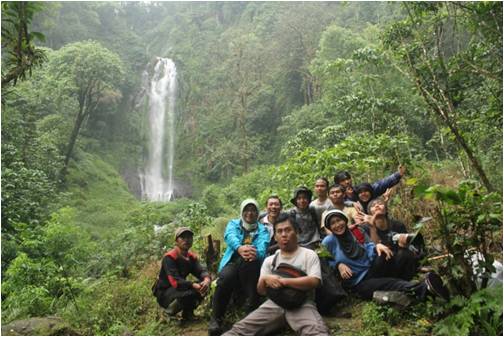
Conducting Research Activities on Mount Ungaran
Source: UNNES’ Documentation
Located near Mount Ungaran, UNNES has been at the forefront of wildlife conservation education, conducting field-based research and training on the protection of wild flora and fauna in Central Java. Collaborating with local communities and conservation organizations, UNNES students and lecturers have organized extensive training programs on species such as the wreathed hornbill (julang emas), bats, and the Javan leopard (macan tutul Jawa)—all key indicators of forest ecosystem health.
These programs train “local heroes”—community conservationists who serve as guardians of biodiversity in forest-edge villages—on sustainable monitoring techniques, species protection, and habitat restoration.
Empowering Local Communities Through Plant Tissue Culture and Propagation
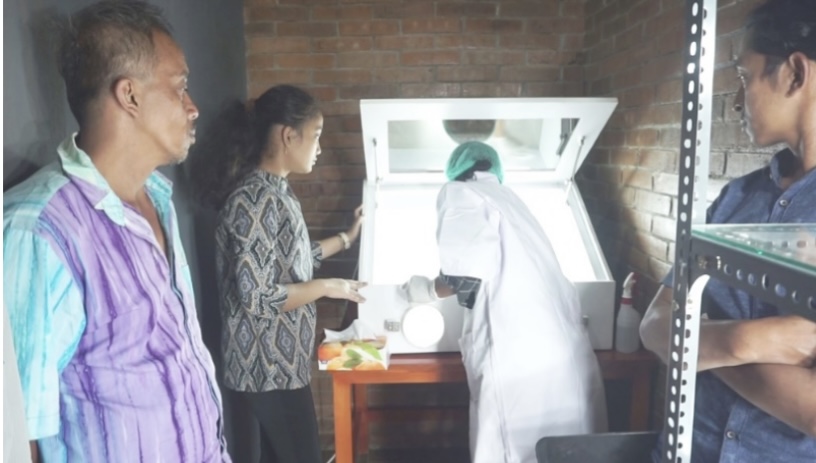
Training Participants Practice Using Tools in the Orchid Tissue Culture Laboratory
Source: UNNES’ Documentation
In addition to wildlife protection, UNNES provides hands-on training in plant conservation and propagation techniques, particularly for epiphytic orchids, Kendal trees, and local durian species. Through the Tissue Culture Laboratory in Ngesrepbalong Village, Kendal Regency, UNNES lecturers and students collaborate with villagers to apply biotechnological methods for cultivating and conserving rare plant species.
The laboratory serves as a community-based conservation hub, promoting both biodiversity preservation and economic opportunities through sustainable horticulture practices.
Learning from Local Wisdom and Ecological Education
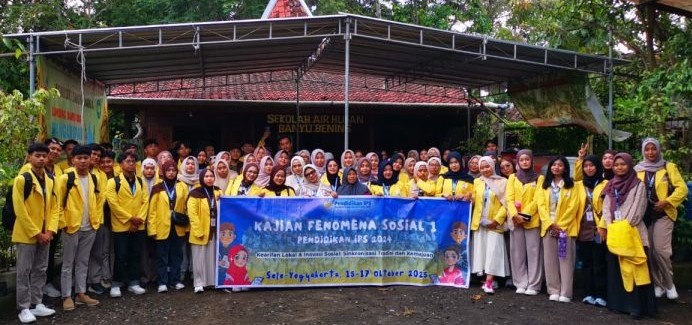
UNNES Social Studies Students Conduct a Community-Based Study on Rainwater Management
Source: UNNES’ Documentation
UNNES integrates conservation science with local wisdom and community-based learning, reflecting its mission to link academic excellence with environmental responsibility.
For instance, students from the Faculty of Social Sciences have conducted community-based studies on rainwater management, connecting traditional ecological knowledge with SDG 6 (Clean Water and Sanitation), SDG 13 (Climate Action), and SDG 14 (Life Below Water).
Meanwhile, LANTIP (Literate, Agile, Nurturing, Trailblazing, Innovative Problem-Solving) student teachers have introduced the “Ecological Detective” learning method in local high schools, helping younger generations observe, identify, and analyze ecological issues in their environment through experiential learning.
Campus as a Living Laboratory for Environmental Education
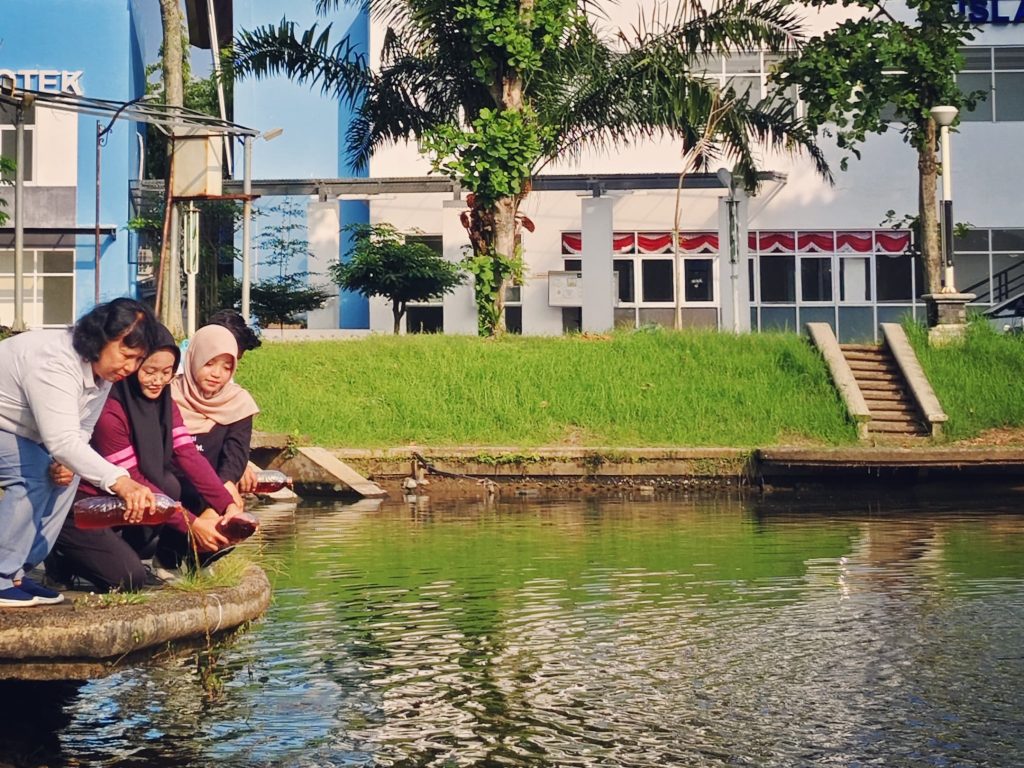
Head of Conservation at UNNES Spreads Ecological Enzymes in Campus Ponds
Source: UNNES’ Documentation
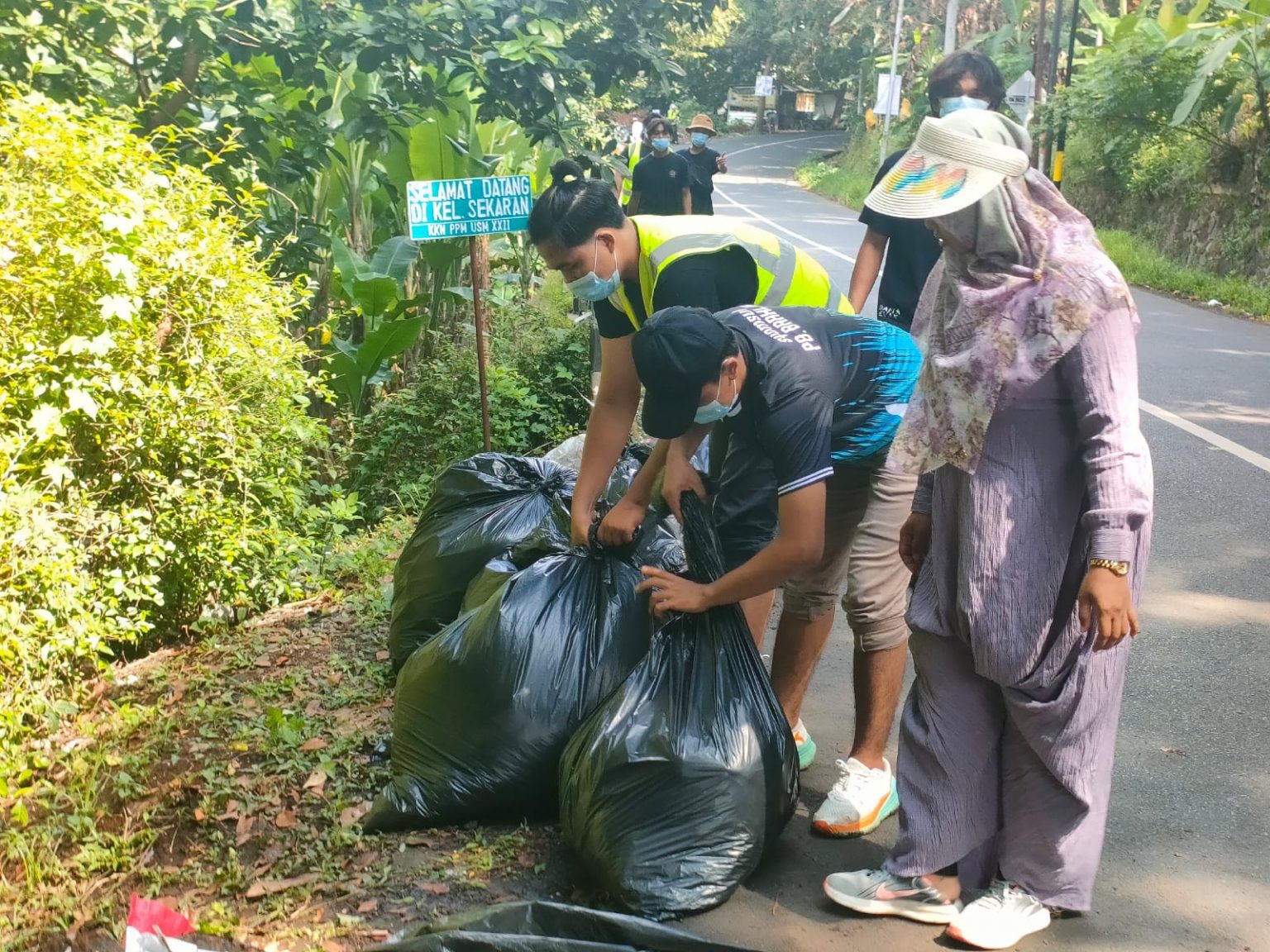
On campus, the UNNES Embung (water reservoir) and the Green Techno Park serve as living laboratories for environmental education and research. These facilities support studies on water management, biodiversity, and climate adaptation, providing students with experiential learning opportunities while promoting sustainable ecosystem management practices.
Commitment to SDGs and Sustainable Ecosystem Stewardship
UNNES’s integrated approach to biodiversity education directly contributes to the United Nations Sustainable Development Goals (SDGs)—particularly SDG 4 (Quality Education), SDG 13 (Climate Action), and SDG 15 (Life on Land). By connecting scientific training with local engagement, UNNES ensures that conservation is not only a field of study but a shared social responsibility.
“UNNES’s conservation education model empowers communities while nurturing the next generation of environmental stewards,” said the Rector of UNNES. “Our mission is to ensure that both people and ecosystems thrive together in harmony.”