Semarang, October 2024 — Universitas Negeri Semarang (UNNES) continues to strengthen its leadership in sustainability by advancing education and community-based programs on sustainable tourism management. As part of its mission as a Conservation University with Global Reputation, UNNES integrates environmental preservation, cultural heritage, and community empowerment into its tourism education and outreach initiatives.
Through seminars, workshops, and direct engagement with local communities, UNNES actively promotes responsible tourism practices that balance economic development with ecological sustainability and social inclusion.
Educational Programs and Capacity Building for Sustainable Tourism
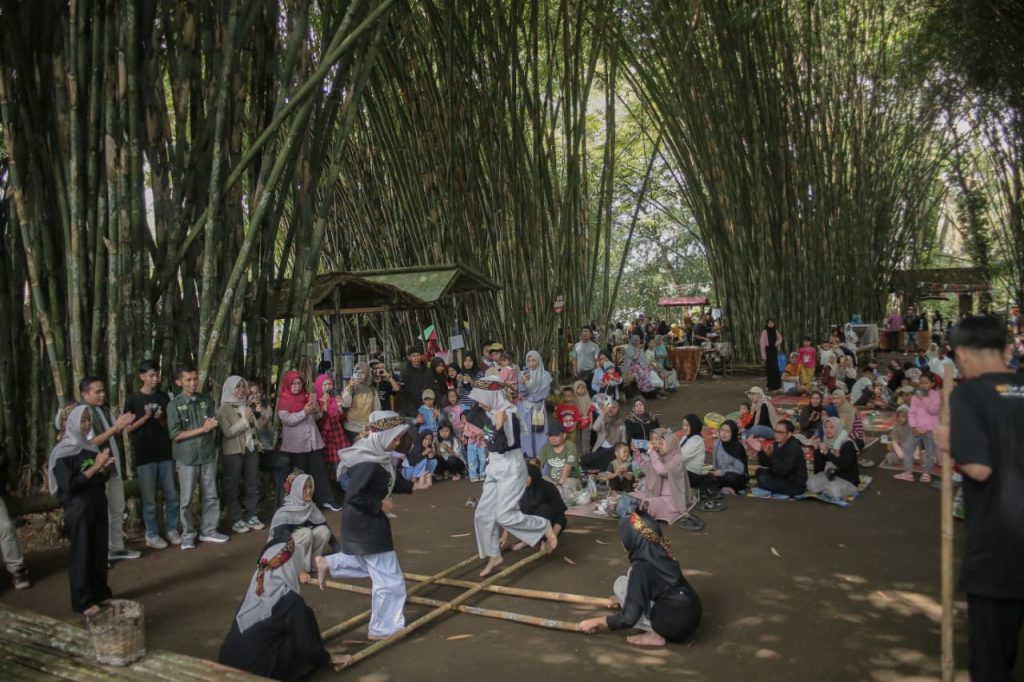
Dancing Tinikling at Slumpring Market
Source: UNNES’ Documentation
UNNES’s educational programs on sustainable land management for tourism equip students, local entrepreneurs, and government partners with the knowledge and skills to develop eco-friendly tourism destinations.
The university organizes seminars and workshops that highlight best practices in environmental conservation, waste reduction, and cultural preservation within the tourism sector.
These programs reflect UNNES’s commitment to supporting Sustainable Development Goals (SDGs), particularly SDG 8 (Decent Work and Economic Growth), SDG 11 (Sustainable Cities and Communities), and SDG 12 (Responsible Consumption and Production).
Collaboration with Local Tourism Villages
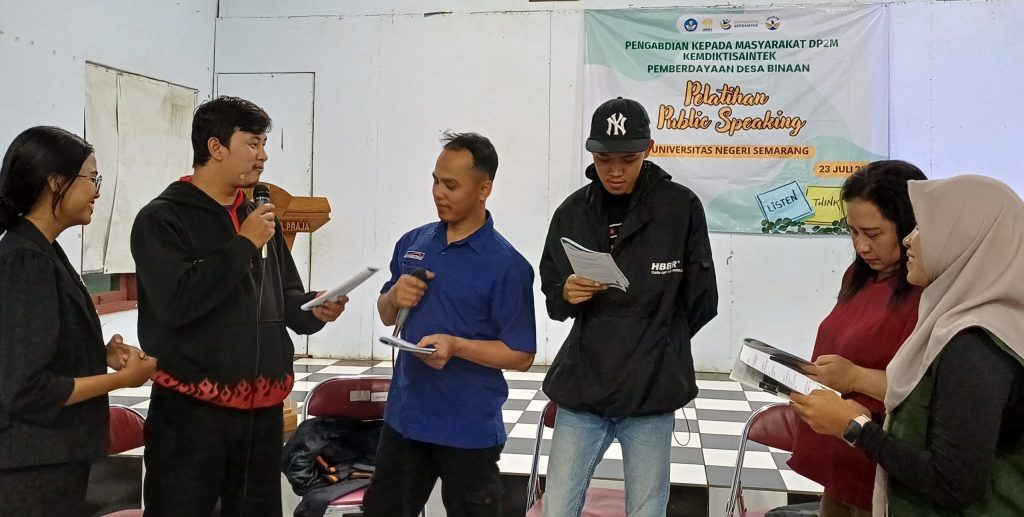
Public Speaking and Tour Guide Training in Kalongan Village from Faculty of Economics and Business UNNES
Source: UNNES’ Documentation
UNNES faculty and students work closely with local tourism communities in Central Java — including Desa Ngesrepbalong, Desa Kandri, Desa Cepoko, Desa Kalongan, and Desa Muncar, to design and implement sustainable tourism programs. These collaborations emphasize eco-friendly tourism development, ensuring that tourism growth protects natural ecosystems, cultural heritage, and community welfare. Activities include:
- Waste management programs in tourism areas to reduce plastic pollution and improve sanitation,
- Training for local guides and entrepreneurs on responsible tourism standards,
- Development of sustainable tourism infrastructure that minimizes environmental impact, and
- Community engagement programs integrating local traditions and environmental awareness.
Integrating Research, Education, and Conservation
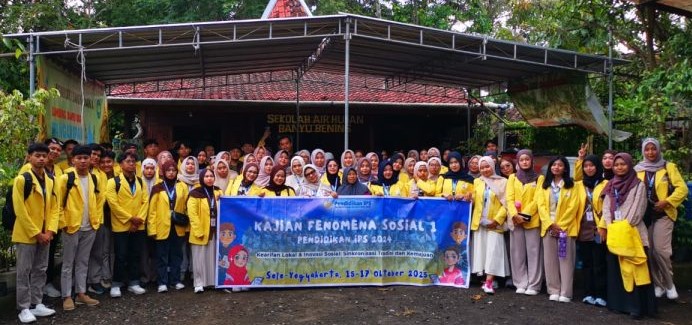
UNNES Social Studies Students Conduct a Community-Based Study on Rainwater Management
Source: UNNES’ Documentation
The sustainable tourism initiatives are supported by UNNES’s broader Conservation Framework, which integrates research, community service, and policy development.
As outlined in the Sustainable Conservation Campus Report 2022, UNNES prioritizes partnerships that align academic expertise with community needs — especially in promoting low-impact tourism, renewable energy use, and biodiversity protection in tourism destinations.
UNNES’s Faculty of Social Sciences (FIS) and Faculty of Economics and Business (FEB) play key roles in developing tourism management models that emphasize sustainability, innovation, and community empowerment. These models are shared through public seminars, student fieldwork, and training sessions, ensuring that sustainable tourism principles are embedded in local development planning.
Balancing Tourism Growth with Environmental and Cultural Protection
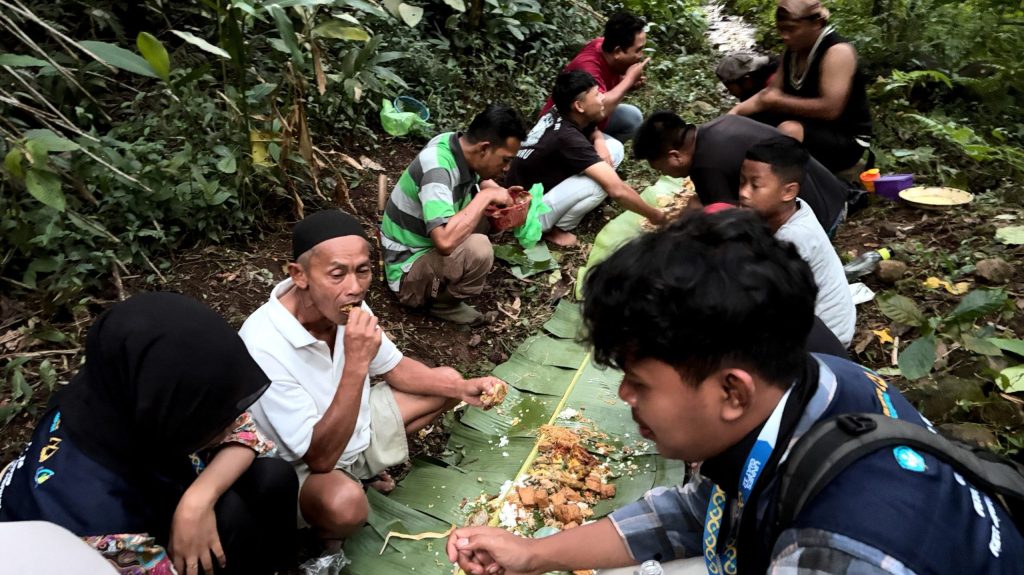
UNNES Students Participate in the Tradition of Memuleh Gunung
Source: UNNES’ Documentation
By linking education, research, and community engagement, UNNES ensures that tourism contributes to both economic progress and environmental resilience.
The university’s holistic approach emphasizes that tourism must preserve cultural values, respect biodiversity, and support local livelihoods, creating a sustainable foundation for long-term development.
“UNNES believes that tourism should be more than recreation—it should be an act of conservation and cultural celebration,” said the Rector of UNNES. “Through collaboration and education, we empower communities to manage their natural and cultural resources sustainably.”