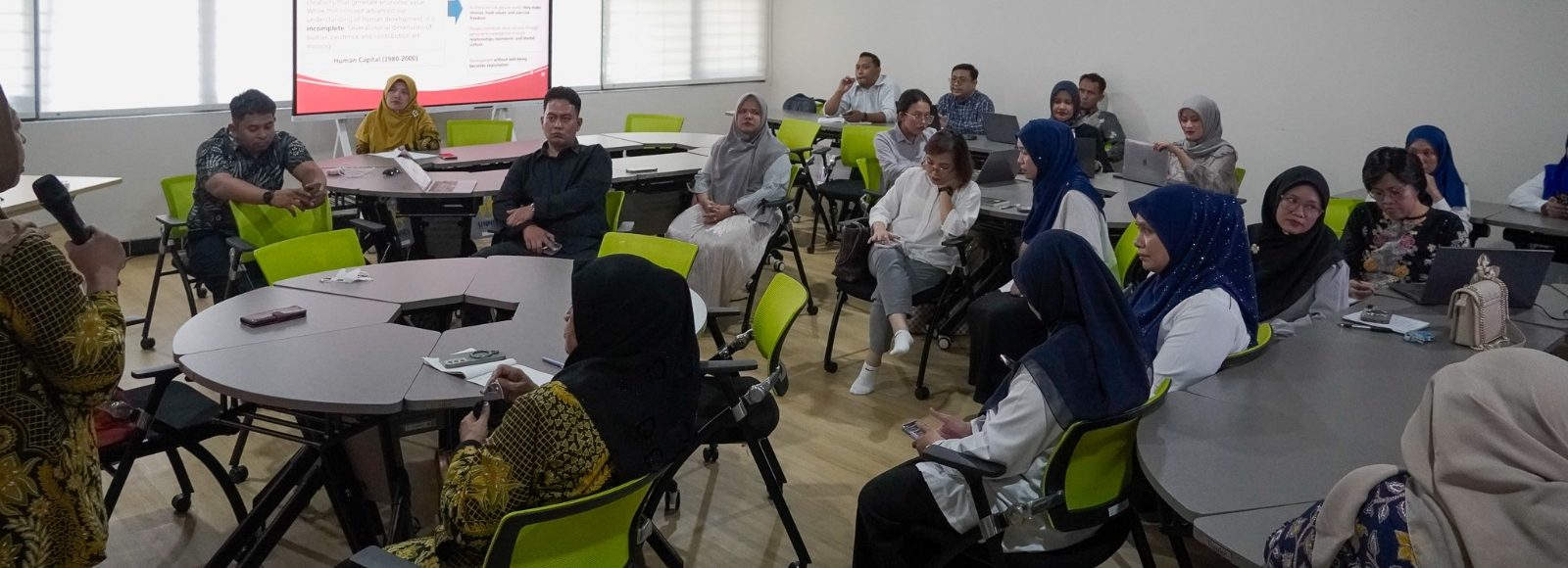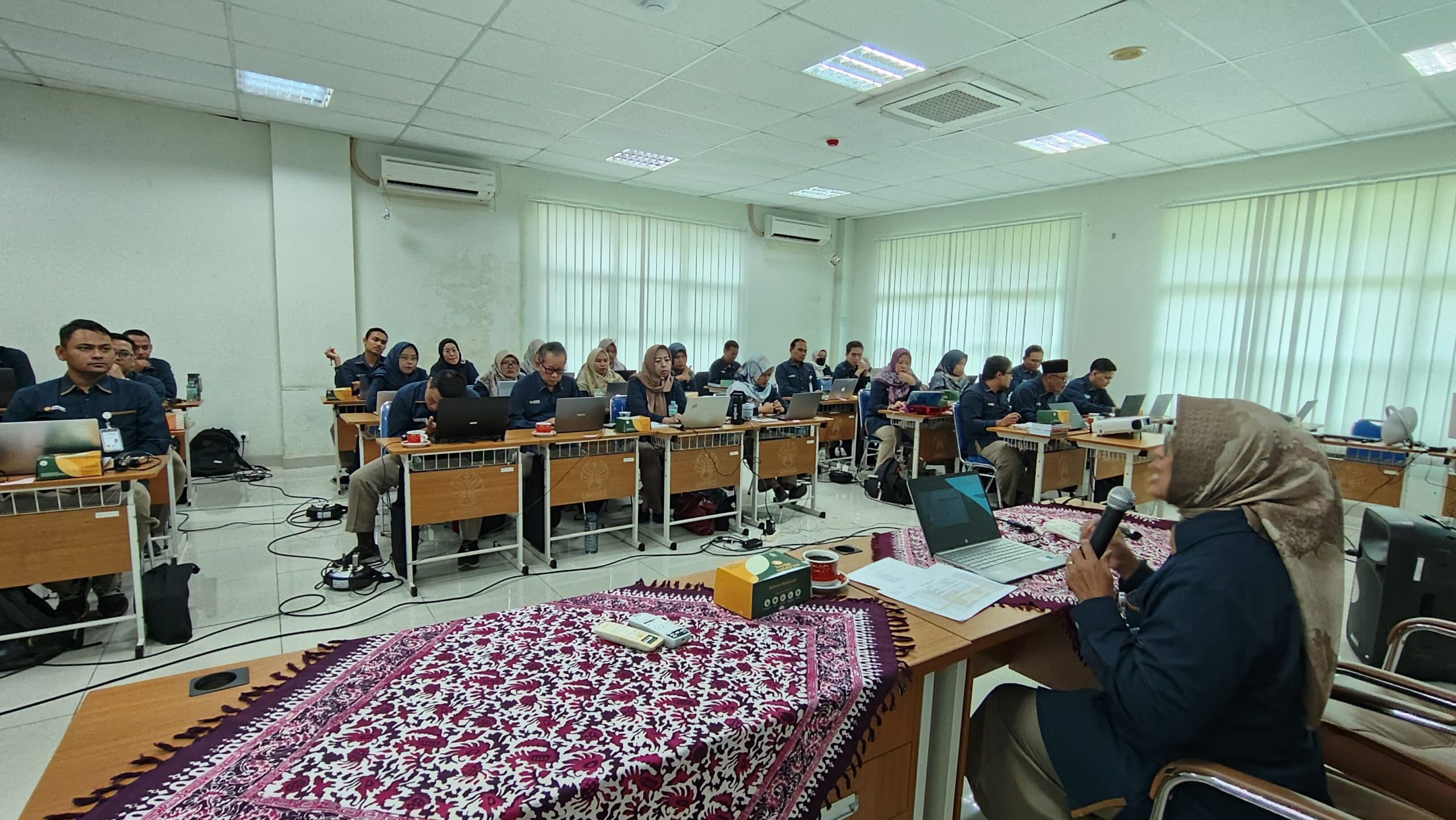
The Institute for Educational and Professional Development (LPPP) of Universitas Negeri Semarang (UNNES) reaffirms its commitment to improving the quality of higher education through the implementation of the PEKERTI (Instructional Technique Enhancement Program) training. The program was held from July 7 to 11, 2025, and was attended by 40 early-career lecturers from various faculties within UNNES.
PEKERTI training is specifically designed for university lecturers, particularly novice faculty members, aiming to enhance their pedagogical competence. The program equips participants with essential knowledge and skills in designing, implementing, and evaluating learning processes.
This initiative aligns with the policies of the Ministry of Education, Culture, Research, and Technology, and supports the achievement of the Sustainable Development Goals (SDGs), particularly SDG 4: Quality Education, by promoting the development of qualified educators across all educational levels.
Throughout the five-day training, participants engaged with a range of key instructional topics, including: Visionary Leadership in the Era of Digital Disruption, Strategies for Enhancing Higher Education Quality, Education as a System, Instructional Objectives Taxonomy and Instructional Design, Innovative Learning Models, and Instructional Media.
Additional topics included Learning Theories and Motivation, Basic Teaching Skills and Effective Communication, the Case Method and Team-Based Project Learning, Adult Learning, Assessment and Learning Instruments, Peer Teaching, and Real Teaching. These topics are intended to strengthen the role of lecturers as change agents in inclusive, adaptive, and innovation-driven higher education.
Professor Dr. Rodiyah, S.Pd., S.H., M.Si., Head of UNNES LPPP, emphasized that PEKERTI training serves as a vital instrument for producing high-quality and integrity-driven academic staff.
“Through this training, we aim to ensure that UNNES lecturers are able to integrate modern pedagogical principles into learning processes that support sustainable development goals,” she explained.
This program is also in line with UNNES’s mission as a conservation university with a global perspective, and it reinforces the institution’s position in delivering high quality, equitable, and internationally competitive higher education.