Universitas Negeri Semarang (UNNES), widely recognized for its identity as a Conservation-Oriented University, has taken a groundbreaking step by implementing more flexible work and learning systems. This initiative aims to enhance energy efficiency, reduce carbon emissions from daily commuting, and improve work-life balance for its academic community.
Flexible Work Arrangement Policy
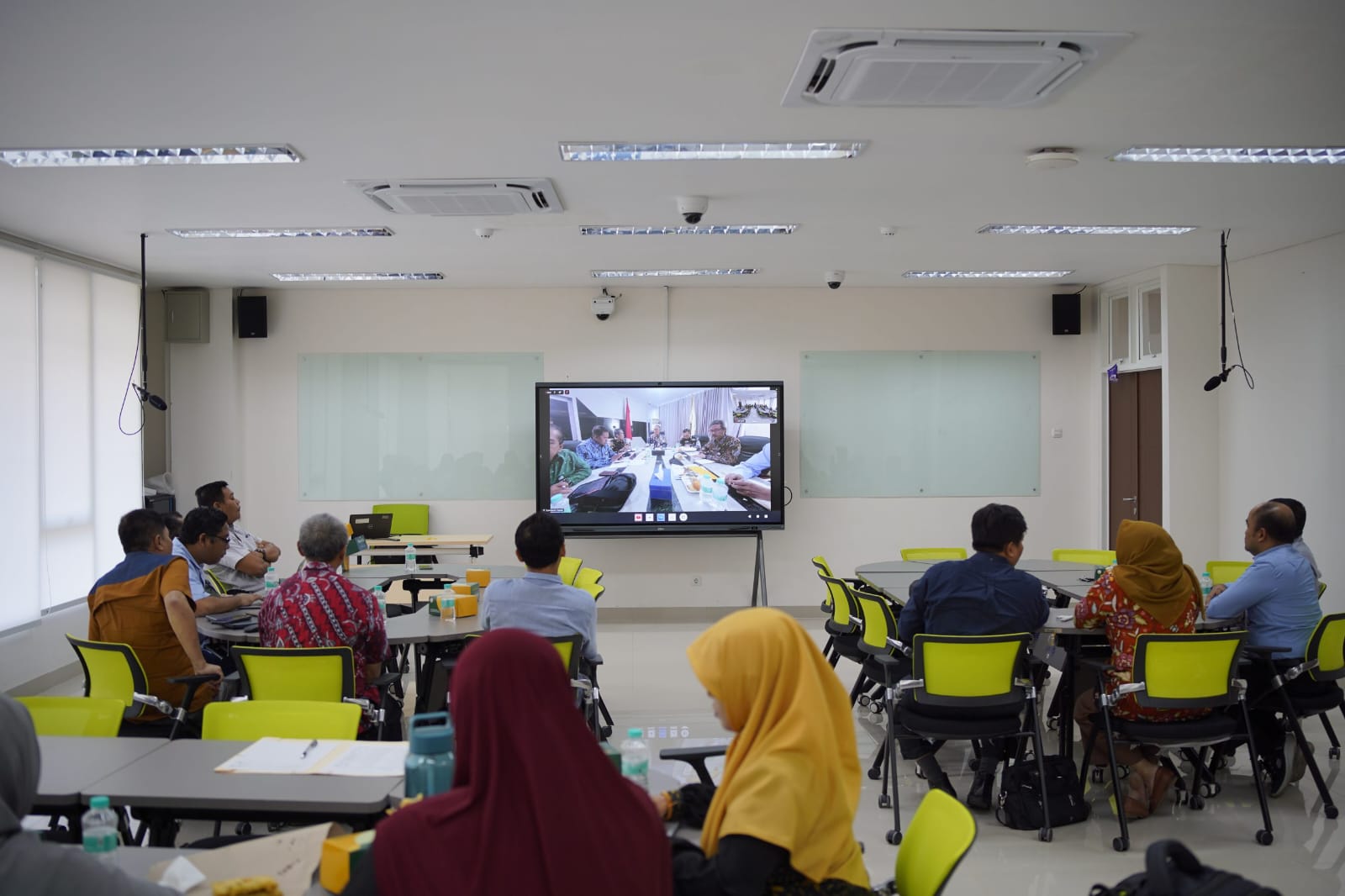
UNNES has issued Circular Letter Number: B/8587/UN37/EP/2023, which allows lecturers and educational staff to work remotely (telecommuting) under certain conditions. In line with this, courses at UNNES are permitted to be conducted online up to four times per semester. This policy enables lecturers and students to engage in academic activities more flexibly, without the constant need for physical presence on campus.
Condensed Working Schedule
In addition to remote learning, several university units have adopted a condensed working schedule to optimize work hours and reduce commuting frequency. This system supports UNNES’s broader goal of fostering an environmentally friendly and sustainable work environment while maintaining productivity and service quality.
Context and Conservation Commitment
This policy aligns with UNNES’s vision as a conservation-based university actively committed to managing the environment, natural resources, and cultural values. Through operational strategies such as flexible working systems, UNNES demonstrates that conservation principles can be applied not only in education and research but also in human resource management and daily campus operations.
Impact and Expectations
Through this policy, UNNES expects to:
- Reduce energy consumption and campus operational emissions, contributing to a lower institutional carbon footprint.
- Provide greater flexibility for the academic community to balance professional and personal responsibilities.
- Strengthen UNNES’s role as a university that integrates conservation values into every aspect of its institutional culture.
By implementing flexible systems and sustainable management practices, UNNES affirms that conservation is not limited to reforestation or resource management — it also encompasses building a smarter, more efficient, and sustainable work culture.