Semarang, October 2024 — Universitas Negeri Semarang (UNNES) is committed to the protection and preservation of biodiversity, actively monitoring and safeguarding IUCN Red List species and those listed on Indonesia’s national conservation lists. Guided by Rector’s Regulation Number 27 of 2012 on Campus Governance Based on Conservation, UNNES enforces comprehensive policies that integrate biodiversity conservation into campus operations, ensuring the sustainable coexistence of flora and fauna within university-managed habitats.
UNNES is dedicated to the in situ protection of vulnerable species, with proactive monitoring systems that help prevent harm caused by human activities such as construction, pollution, and deforestation. These efforts are aligned with national and international conservation standards.
Biodiversity Monitoring and Protection Efforts at UNNES
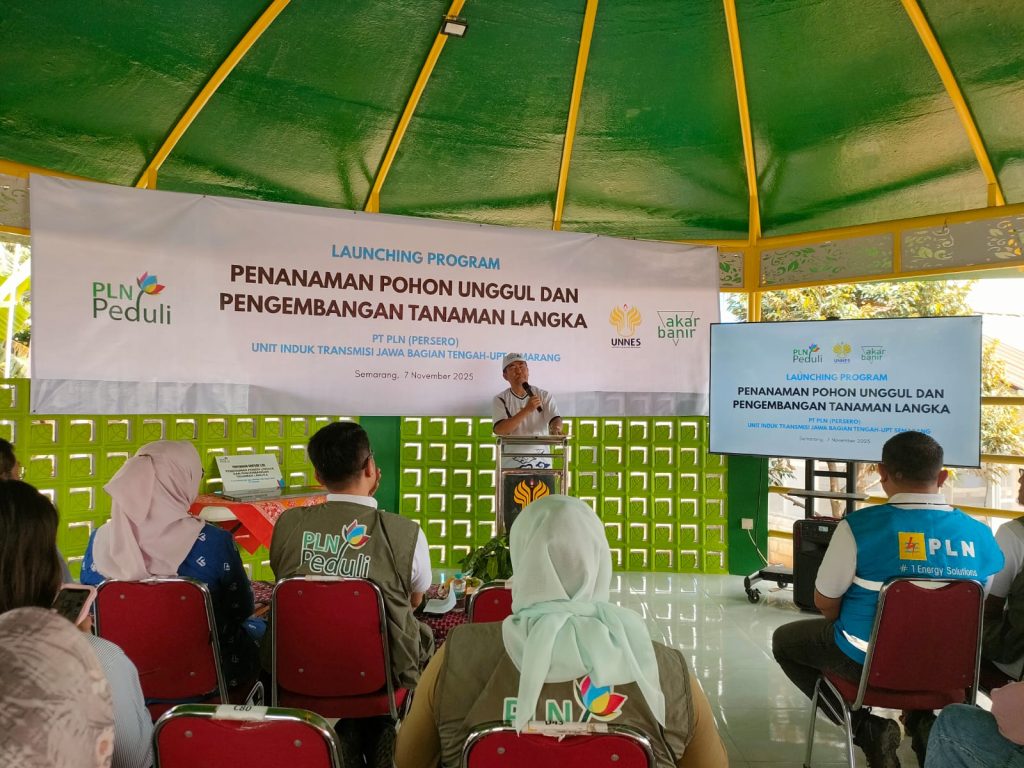
Launch of the Superior Tree Planting and Rare Plant Development Program
Source: UNNES’ Documentation
UNNES’s commitment to biodiversity conservation is demonstrated through routine monitoring of the campus’s flora and fauna, including several species of herpetofauna (amphibians and reptiles). The university has created a green campus environment that supports various species, providing them with safe habitats to thrive.
UNNES’s conservation programs focus on data collection, species protection, and habitat restoration, ensuring that both native and endangered species are given the attention they require for long-term survival. In compliance with international conservation standards, these efforts help protect vulnerable species such as the Javan slow loris, Jakarta venomous snake, and other amphibians that are integral to the region’s ecosystem.
In-Situ Conservation and Environmental Awareness Programs

UGSR 2024 Site and Infrastructure Workshop
Source: UNNES’ Documentation
UNNES is deeply committed to raising awareness about the importance of conserving biodiversity. As part of this initiative, the university has integrated conservation education into its curriculum and outreach programs. This is designed to instill environmental stewardship in students, staff, and the local community.
By organizing workshops, seminars, and practical conservation activities, UNNES fosters a culture of responsible environmental behavior and ensures that sustainability is a core value. These programs help the campus community better understand the significance of preserving ecosystems and the biodiversity they support.
Protecting Habitats from Human Activities
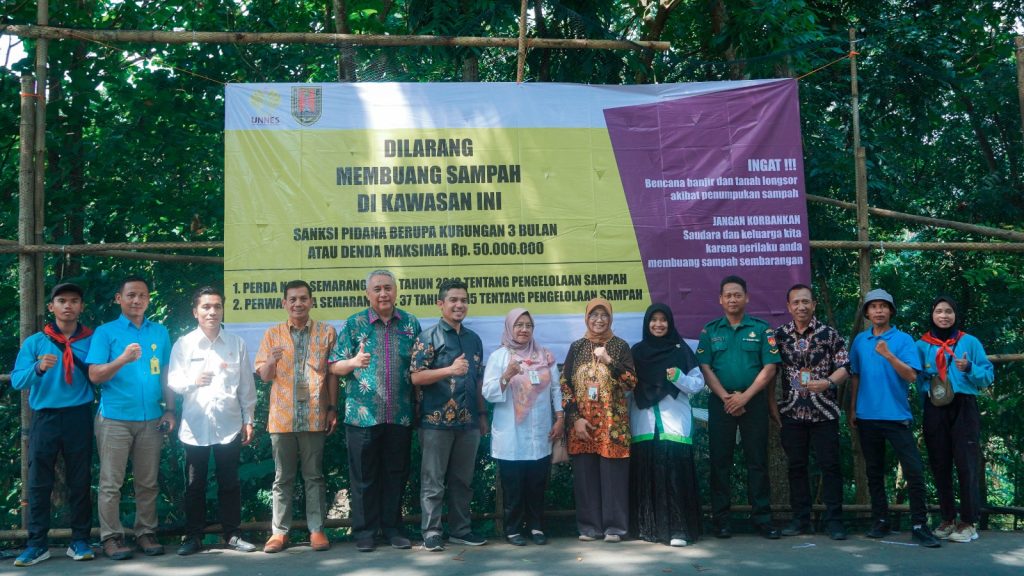
UNNES Collaborates with Sekaran Subdistrict to Raise Public Awareness about Waste Management
Source: UNNES’ Documentation
The impact of construction and pollution on natural habitats is a key concern for UNNES. The university implements conservation measures to mitigate these threats, including careful planning of construction projects that minimize disruption to wildlife habitats.
Moreover, the university employs sustainable waste management practices and advocates for eco-friendly building techniques that help preserve the integrity of the surrounding environment, thus ensuring the protection of endangered species and the health of the local ecosystem.
UNNES’s Role in National and Global Conservation Goals

Launching UNNES Ecofarm
Source: UNNES’ Documentation
UNNES’s dedication to biodiversity protection aligns with the United Nations Sustainable Development Goals (SDGs), particularly Goal 15 (Life on Land), which emphasizes the preservation of sustainable ecosystems, the protection of species, and the restoration of habitats. By fostering biodiversity conservation through education, research, and collaboration, UNNES contributes to both national and international environmental efforts aimed at preserving life on Earth.
A Green Campus for Future Generations

Rectorate Field
Source: UNNES’ Documentation
“Through active monitoring, educational programs, and practical conservation actions, UNNES plays a vital role in protecting ecosystems and biodiversity in the region,” said the Rector of UNNES. “Our commitment to sustainable development ensures that the campus remains a haven for wildlife and serves as a model of environmental responsibility for future generations.”