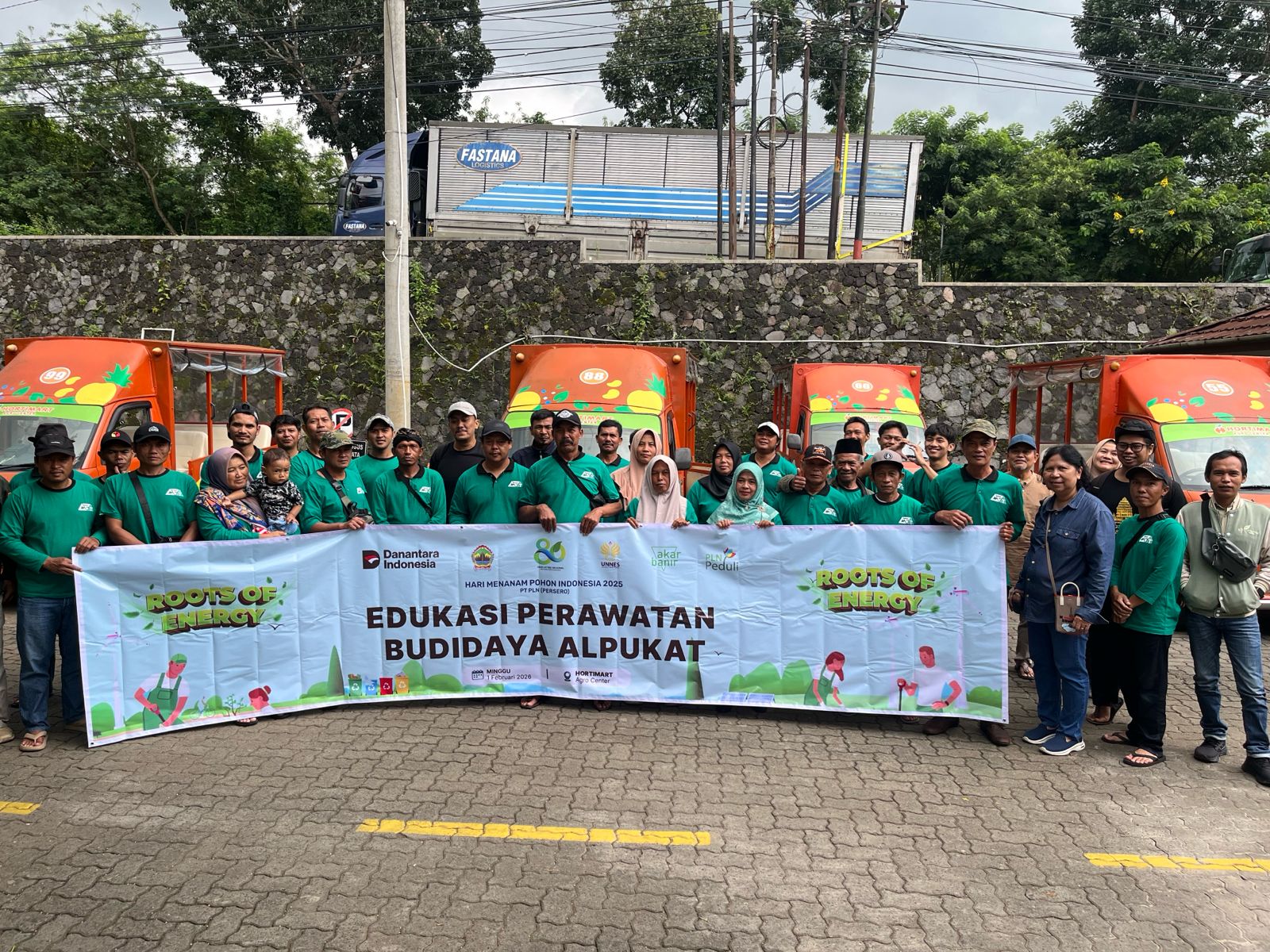
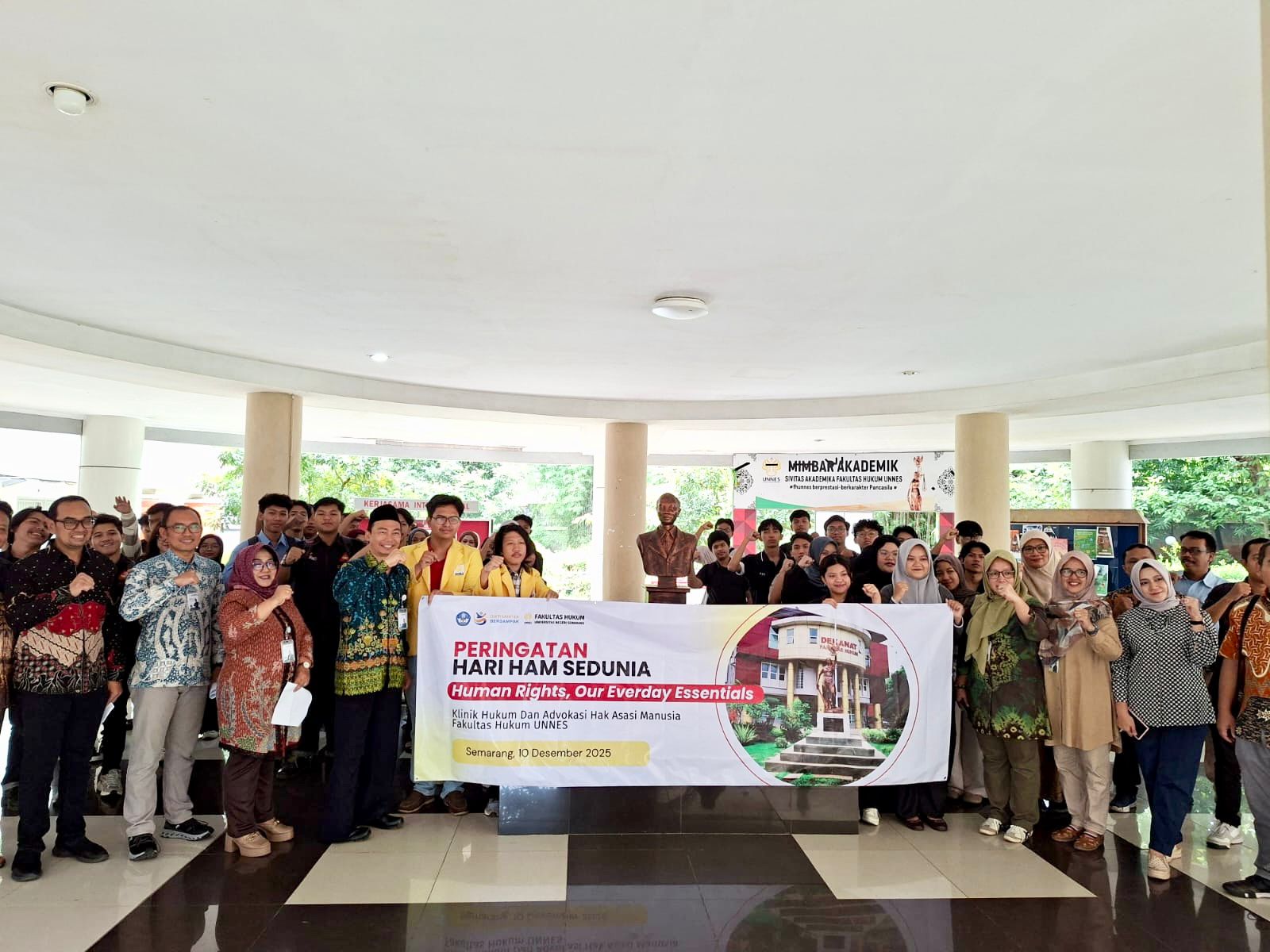
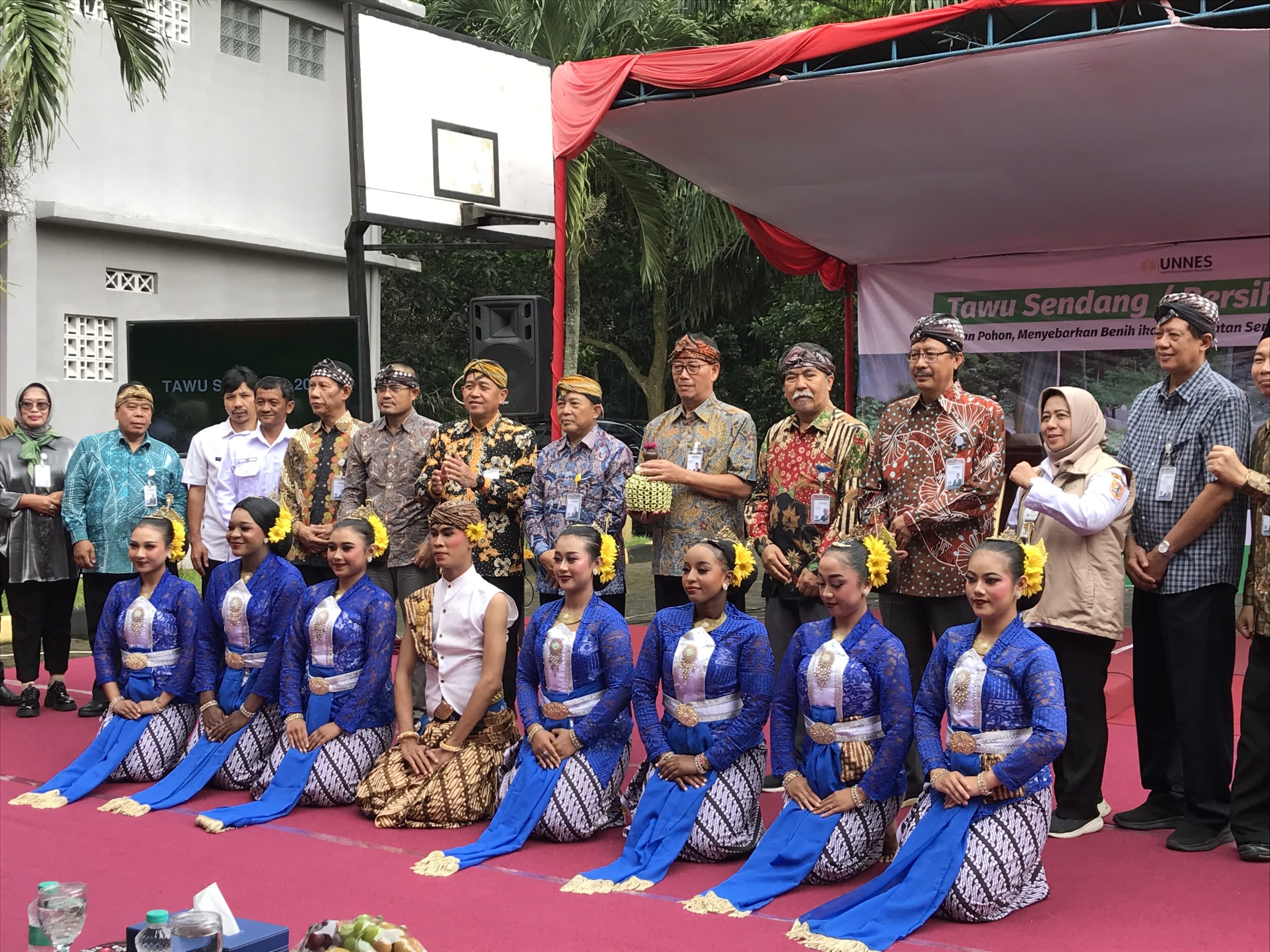
Universitas Negeri Semarang (UNNES) demonstrates its strong institutional commitment to climate action and sustainability through an integrated Climate Action Plan that aligns university policies, educational programs, and community-based initiatives with local and national partners. This commitment is formalized through the Rector’s Decree Number B/3669/UN37/HK.02/2024 concerning UNNES’s Commitment to Achieving Carbon Neutrality by 2045, which outlines a structured roadmap to reduce campus carbon emissions and enhance environmental quality.
The plan directly supports Sustainable Development Goals (SDGs), particularly SDG 7 (Affordable and Clean Energy), SDG 11 (Sustainable Cities and Communities), and SDG 13 (Climate Action). The Rector, Prof. Dr. S. Martono, M.Si., emphasizes that carbon neutrality represents not only a strategic objective but also a moral and academic responsibility of the university community toward the planet and future generations.
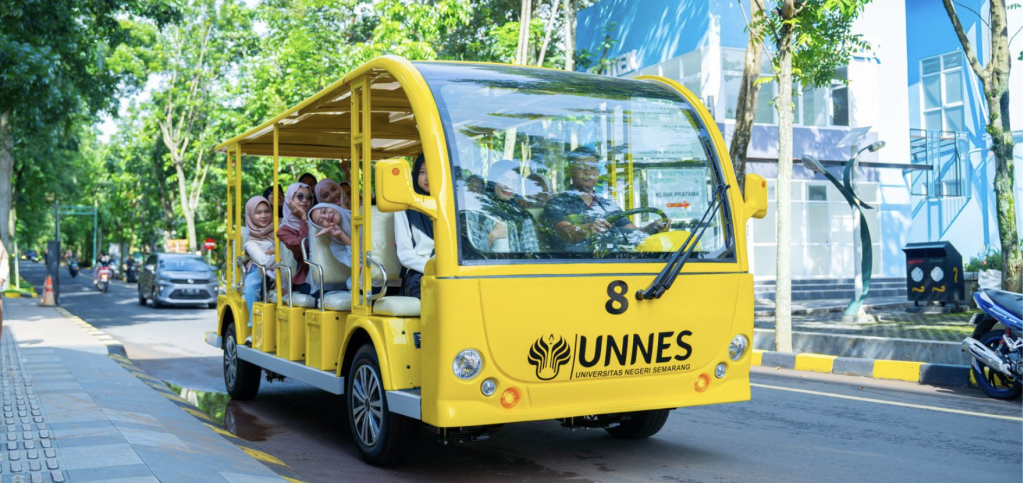
Key elements of the Climate Action Plan include the promotion of eco-friendly transportation—such as walking, cycling, electric vehicles, and campus shuttle buses—supported by pedestrian and bike lanes to reduce fossil fuel use; enhancement of energy efficiency and transition to renewable energy through consistent monitoring; green building initiatives with 40% of campus land allocated for open green spaces; and large-scale tree planting programs, requiring each new student to plant a tree and mandating a one-to-five tree replacement policy. UNNES also implements water conservation strategies, including rainwater harvesting, recycling, filtration, and sustainable management systems, alongside awareness campaigns and carbon monitoring to track progress.
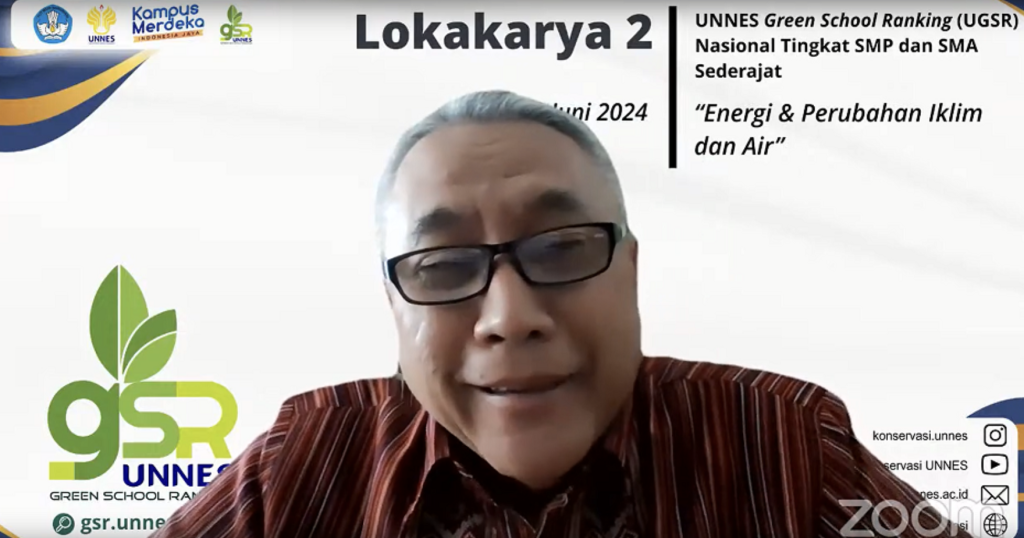
In collaboration with local government agencies, UNNES actively shares its sustainability framework through national educational programs. The university hosted the UGSR 2024 Workshop II on Energy, Climate Change, and Water on June 10, 2024, involving 80 green school developers from Central Java, East Java, West Java, and East Kalimantan. The workshop, led by Dr. Ir. Ananto Aji, M.S. and Fisa Savanti, S.T., M.Ars., focused on energy efficiency, renewable energy development, and water management indicators to strengthen schools’ sustainability practices. This initiative forms part of the UNNES Green School Ranking (UGSR), a national assessment encouraging climate-conscious education and environmental policy integration at the secondary school level.
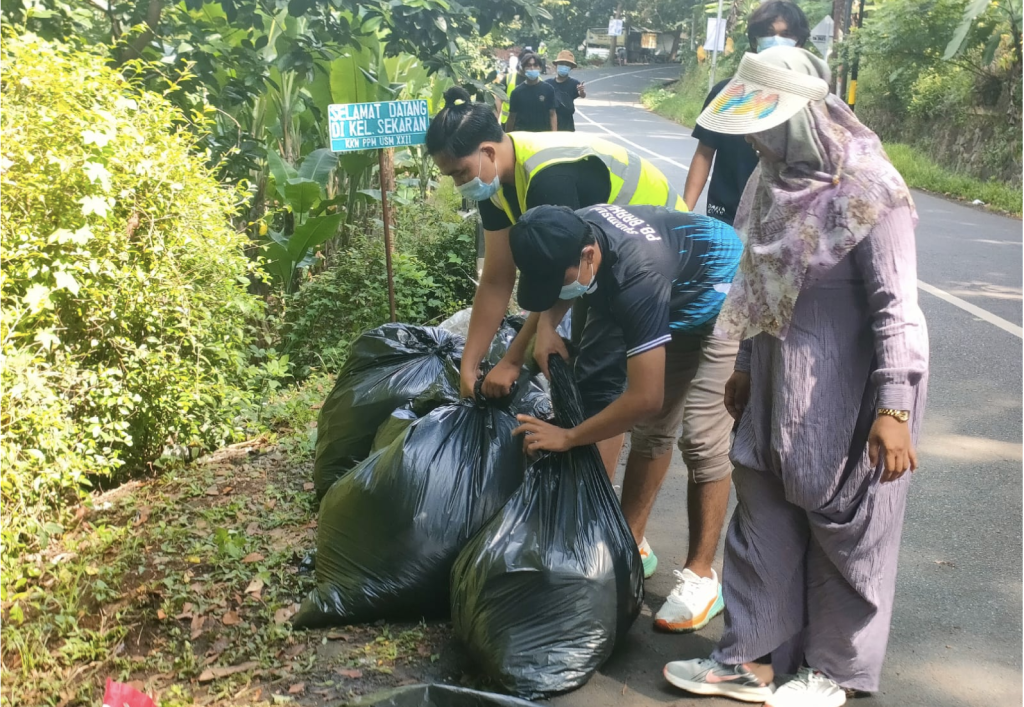
UNNES’s partnership with local stakeholders also extends to hands-on environmental programs. On March 3, 2024, the Subdirectorate of Conservation organized a Campus Environmental Service Day in collaboration with FMIPA’s Environmental Science students, UKM Menwa, UKM Mahapala, and local authorities (Babinsa and Babinkamtibmas Sekaran Village). Around 120 participants collected over 50 trash bags of waste from 10 targeted campus areas as part of the National Waste Awareness Day (HPSN) celebration, reinforcing local collaboration on waste reduction and environmental awareness.
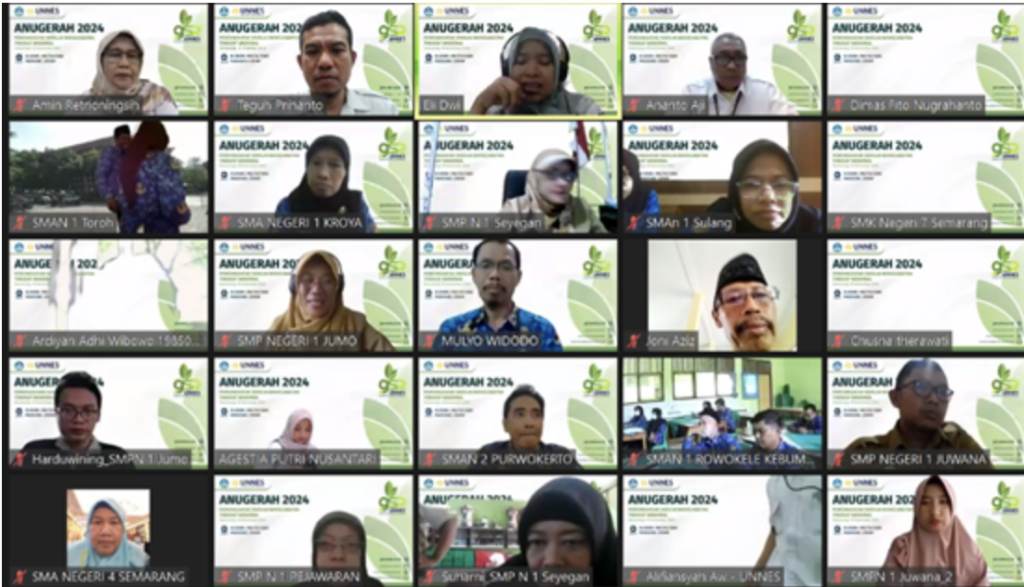
Furthermore, the UNNES Green School Ranking 2024 results, announced online on November 18, 2024, involved the Central Java Provincial Education Office, Environmental Agency, and participating school heads nationwide. The initiative reflects UNNES’s close cooperation with government institutions to foster climate action, waste management, and sustainability practices within schools.
Through these integrated policies, educational initiatives, and local partnerships, UNNES’s Climate Action Plan stands as a model of university-driven sustainability leadership. The university not only measures and reduces its carbon footprint but also empowers communities and educational institutions across Indonesia to join in collective climate resilience and environmental stewardship—cementing UNNES’s position as a Conservation University committed to carbon neutrality and climate action by 2045.