UNNES Implements Advanced Waste Management Strategies for a Green Campus

Universitas Negeri Semarang > Sustainable Development Goals Universitas Negeri Semarang > News > News > UNNES Implements Advanced Waste Management Strategies for a Green Campus

Semarang, September 2024 — Universitas Negeri Semarang (UNNES) continues to lead the way in environmental sustainability with a clear and comprehensive policy on waste disposal, including the management of hazardous materials. These practices are guided by Rector’s Regulation Number 127 of 2024 on Green Campus Guidelines, which outlines the university’s strategy for waste reduction, recycling, and environmental safety.

Integrated Waste Treatment Facility (TPST)
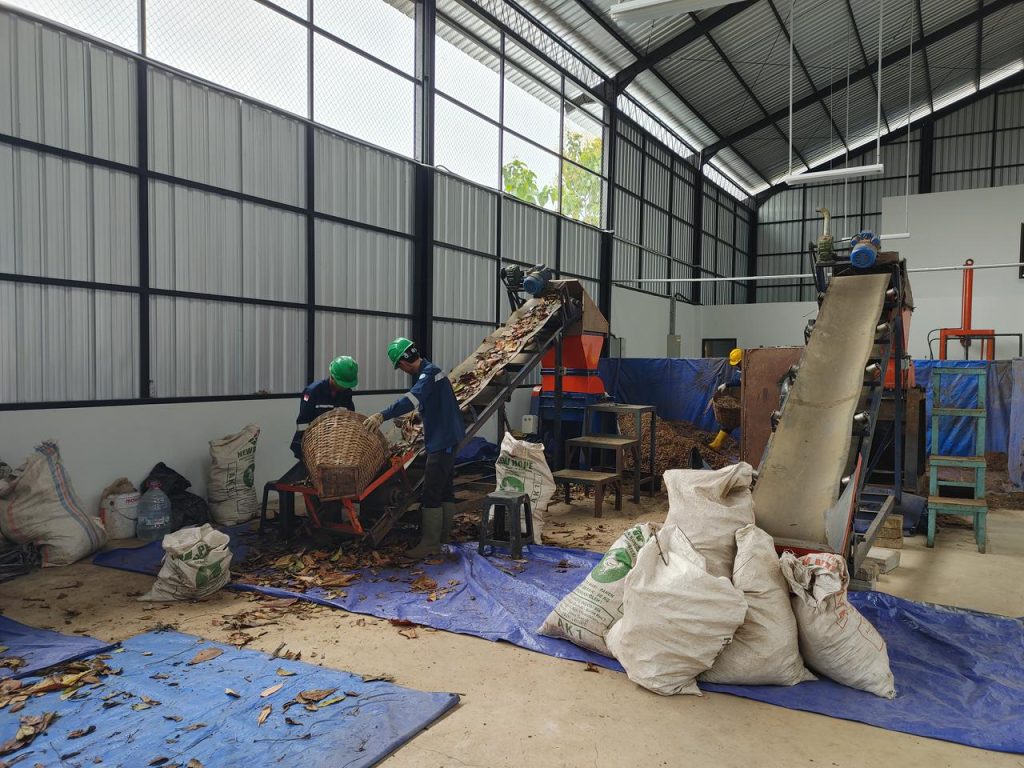
UNNES Integrated Waste Management Facility
Source: UNNES’ Documentation

A cornerstone of UNNES’s waste management approach is the Integrated Waste Treatment Facility (TPST), located in Sekaran Village, Gunungpati. This facility, managed by the university’s Conservation Sub-Directorate, processes approximately 15 tons of waste daily using advanced, eco-friendly techniques. These include:

  • Maggot cultivation: converting organic waste into high-protein animal feed,
  • Eco-enzyme production: creating natural cleaning agents from organic waste,
  • Biopore systems: enhancing soil permeability and waste decomposition.

The facility’s goal is to achieve zero waste, producing minimal residue and eliminating the need for final disposal in landfills. Organic waste is transformed into compost, which is either used on campus grounds or sold, further supporting sustainable agriculture and campus greening efforts.

Safe Disposal of Hazardous Waste
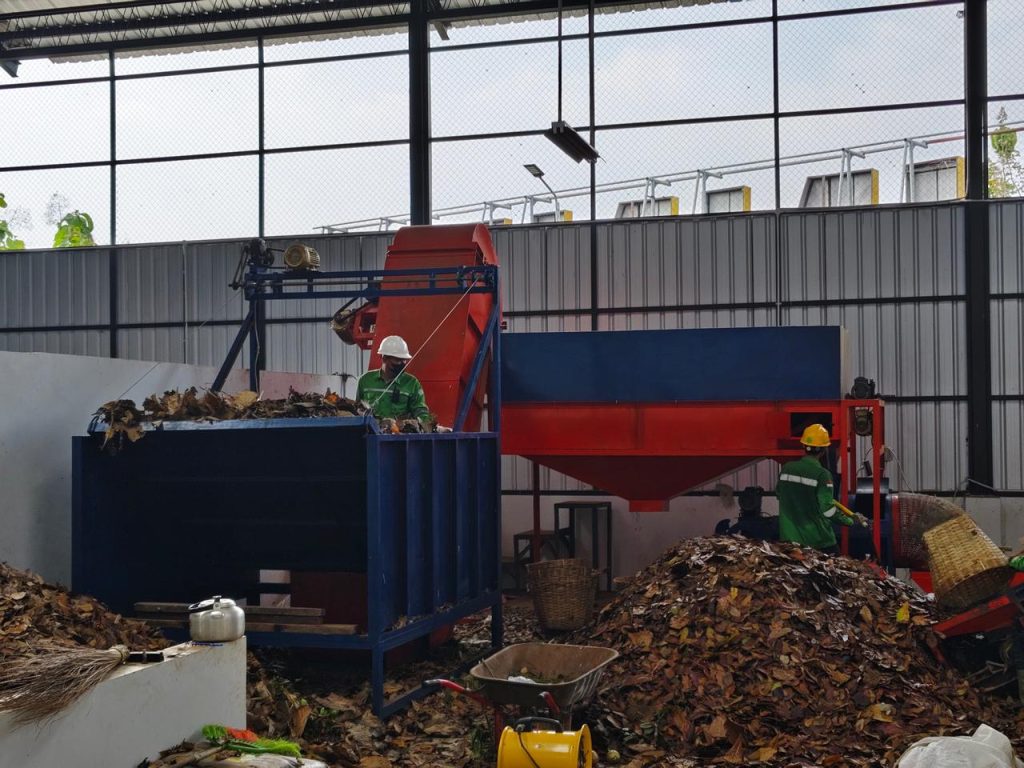
UNNES Integrated Waste Management Facility
Source: UNNES’ Documentation

UNNES strictly adheres to safety protocols for managing hazardous waste. These materials are handled in accordance with environmental safety standards, ensuring they do not pose a threat to the local ecosystem or public health. By following Rector’s Regulation Number 127 of 2024, UNNES ensures that all types of waste, whether hazardous, non-hazardous, or recyclable, are disposed of safely, thereby contributing to the university’s broader environmental sustainability goals.

Community Engagement and Preventive Measures
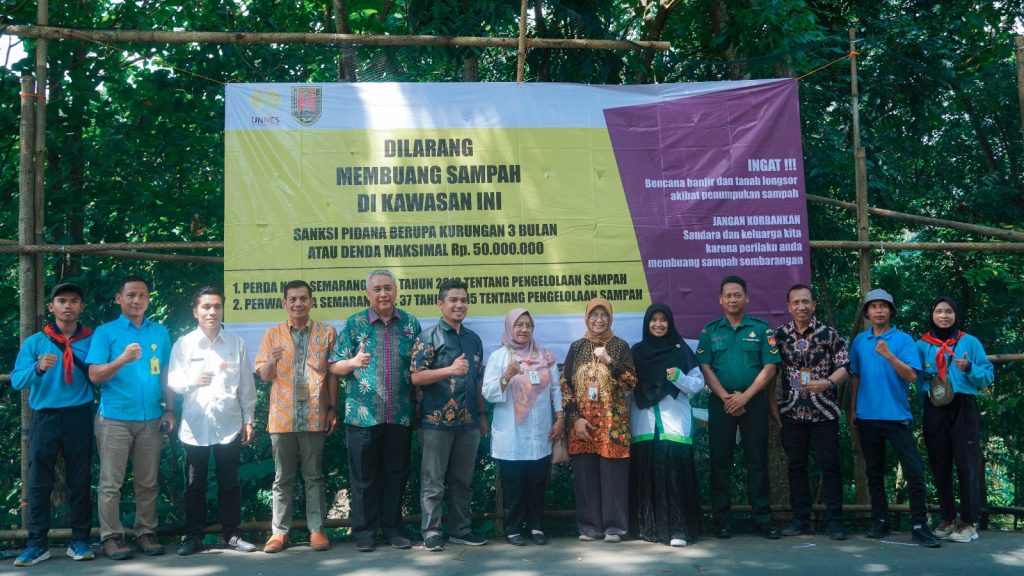
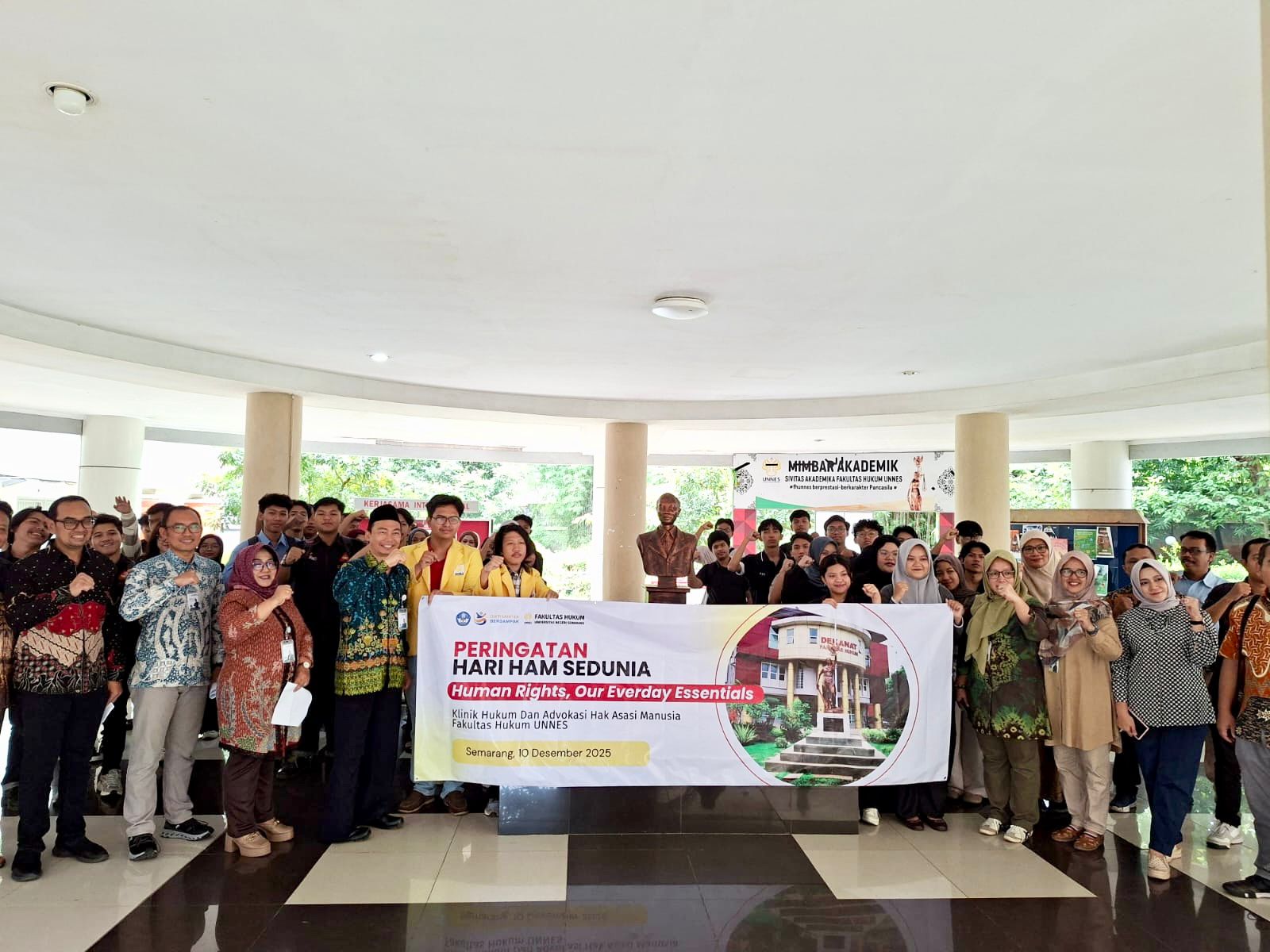
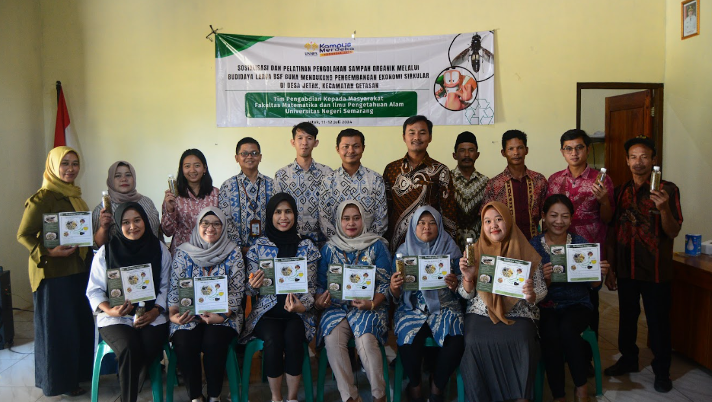
UNNES Collaborates with Sekaran Subdistrict to Raise Public Awareness about Waste Management
Source: UNNES’ Documentation

UNNES goes beyond waste management by engaging with local communities in environmental education. In collaboration with Sekaran Village, UNNES raises awareness of the importance of waste management and sustainability through programs such as the National Waste Awareness Day and community-driven clean-up campaigns along riverbanks. These initiatives help maintain a clean and healthy environment for both the campus and the surrounding area.

Commitment to Sustainable Development Goals (SDGs)

UNNES’s efforts in waste management directly align with SDG 12 (Responsible Consumption and Production), SDG 13 (Climate Action), and SDG 15 (Life on Land). Through its integrated waste management practices, including recycling, composting, and eco-friendly waste treatment, UNNES minimizes its environmental impact and fosters a circular economy on campus.

The university’s commitment to environmental sustainability reflects its identity as a Conservation University and demonstrates its role as a model for other institutions in sustainable campus management.

Related Posts

Leave a Reply

* Kode Akses Komentar:

* Tuliskan kode akses komentar diatas:

GDPR

  • Privacy Policy

Privacy Policy

At unnes.ac.id, the privacy of our visitors is of extreme importance to us. This privacy policy document outlines the types of personal information that is received and collected by unnes.ac.id and how it is used.

Log Files

Like many other Web sites, unnes.ac.id makes use of log files. The information inside the log files includes internet protocol (IP) addresses, type of browser, Internet Service Provider (ISP), date/time stamp, referring/exit pages, and number of clicks to analyze trends, administer the site, track user’s movement around the site, and gather demographic information. IP addresses and other such information are not linked to any information that is personally identifiable.

Cookies

unnes.ac.id uses cookies to store information about visitors’ preferences, to record user-specific information on which pages the site visitor accesses or visits, and to personalize or customize our web page content based upon visitors’ browser type or other information that the visitor sends via their browser.

Third-party ad servers or ad networks use technology in their respective advertisements and links that appear on unnes.ac.id and which are sent directly to your browser. They automatically receive your IP address when this occurs. Other technologies (such as cookies, JavaScript, or Web Beacons) may also be used by our site’s third-party ad networks to measure the effectiveness of their advertising campaigns and/or to personalize the advertising content that you see on the site.

unnes.ac.id has no access to or control over these cookies that are used by third-party advertisers.

You should consult the respective privacy policies of these third-party ad servers for more detailed information on their practices as well as for instructions about how to opt-out of certain practices. unnes.ac.id’s privacy policy does not apply to, and we cannot control the activities of, such other advertisers or web sites.

If you wish to disable cookies, you may do so through your individual browser options. More detailed information about cookie management with specific web browsers can be found at the browsers’ respective websites.

Consent

By using our website, you hereby consent to our privacy policy and agree to its terms.

Update

This Privacy Policy was last updated on: 2023-02-14. Should we update, amend or make any changes to our privacy policy, those changes will be posted here.

Contact Us

If you have any questions, comments, or concerns about our Privacy Policy or our practices with regards to your personal information, please feel free to contact us through the contact form on our website or by emailing us at humas[at]mail.unnes.ac.id.

This Privacy Policy is intended as a general guide to our practices in collecting and using information. If there is any inconsistency between this Privacy Policy and the terms of the Service Agreement or any other terms that may apply to specific services you use, then those specific service terms shall apply.

Terms of Use

By using our website, you agree to abide by this Privacy Policy. If you do not agree with this Privacy Policy, please do not use our website. We reserve the right to update this Privacy Policy from time to time without prior notice. Please review our Privacy Policy periodically to check for changes. Your continued use of our website following the posting of changes to this Privacy Policy means that you accept the changes.

Thank you for reading our Privacy Policy. We are committed to protecting the privacy of our website visitors and will continue to update our Privacy Policy to ensure optimal protection.