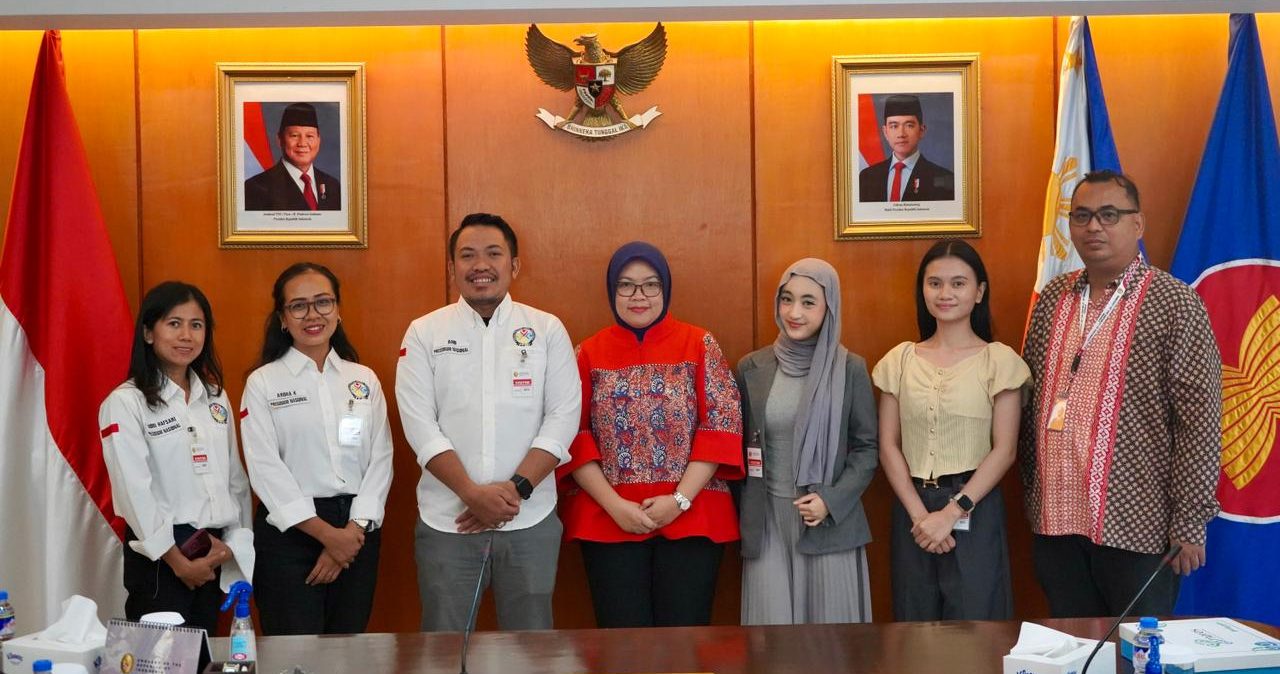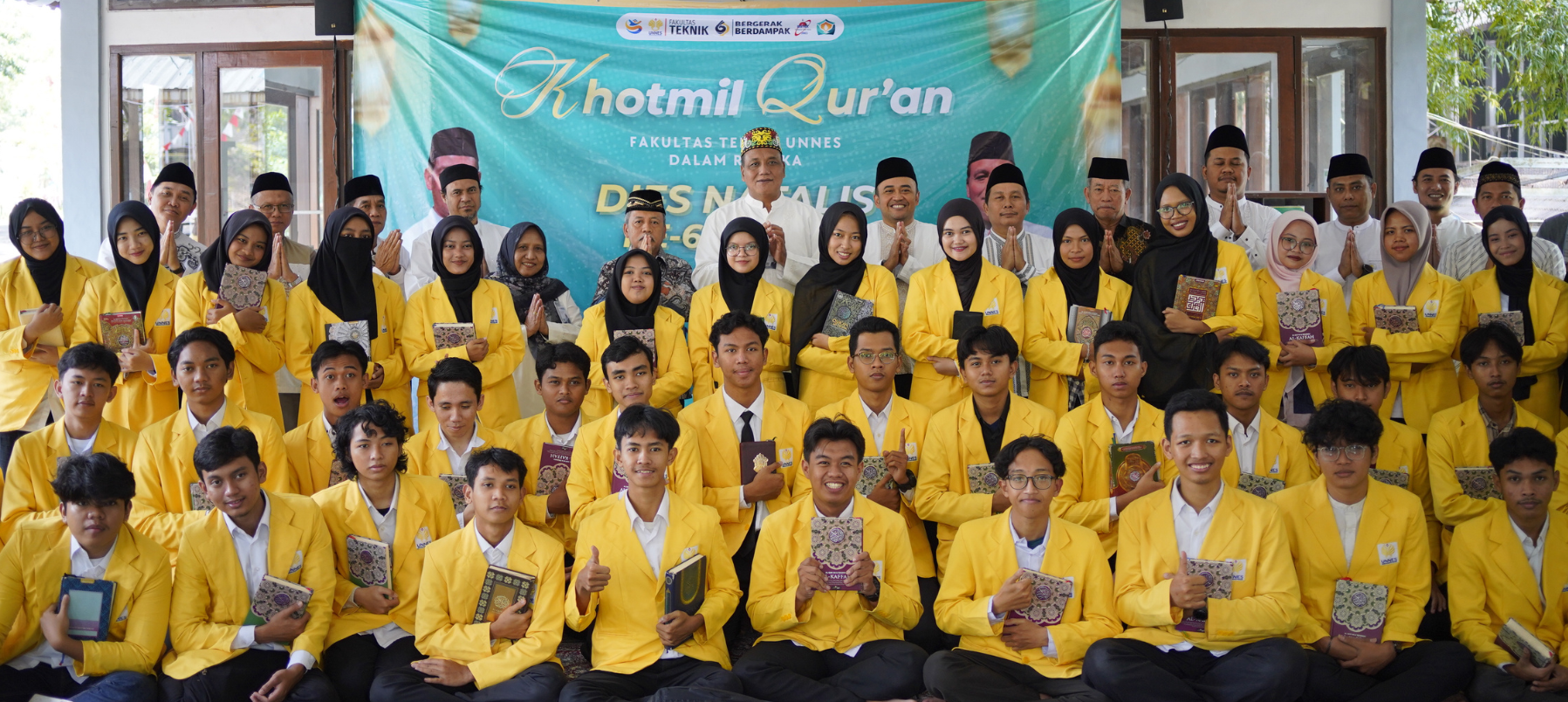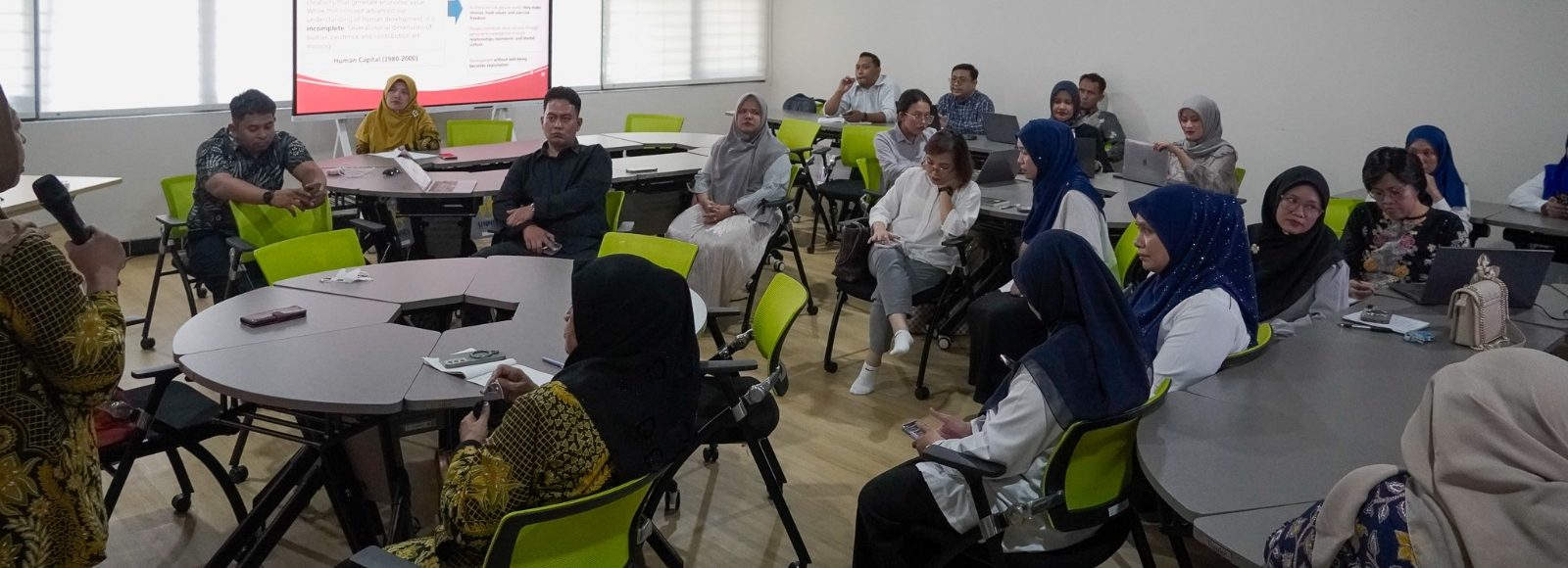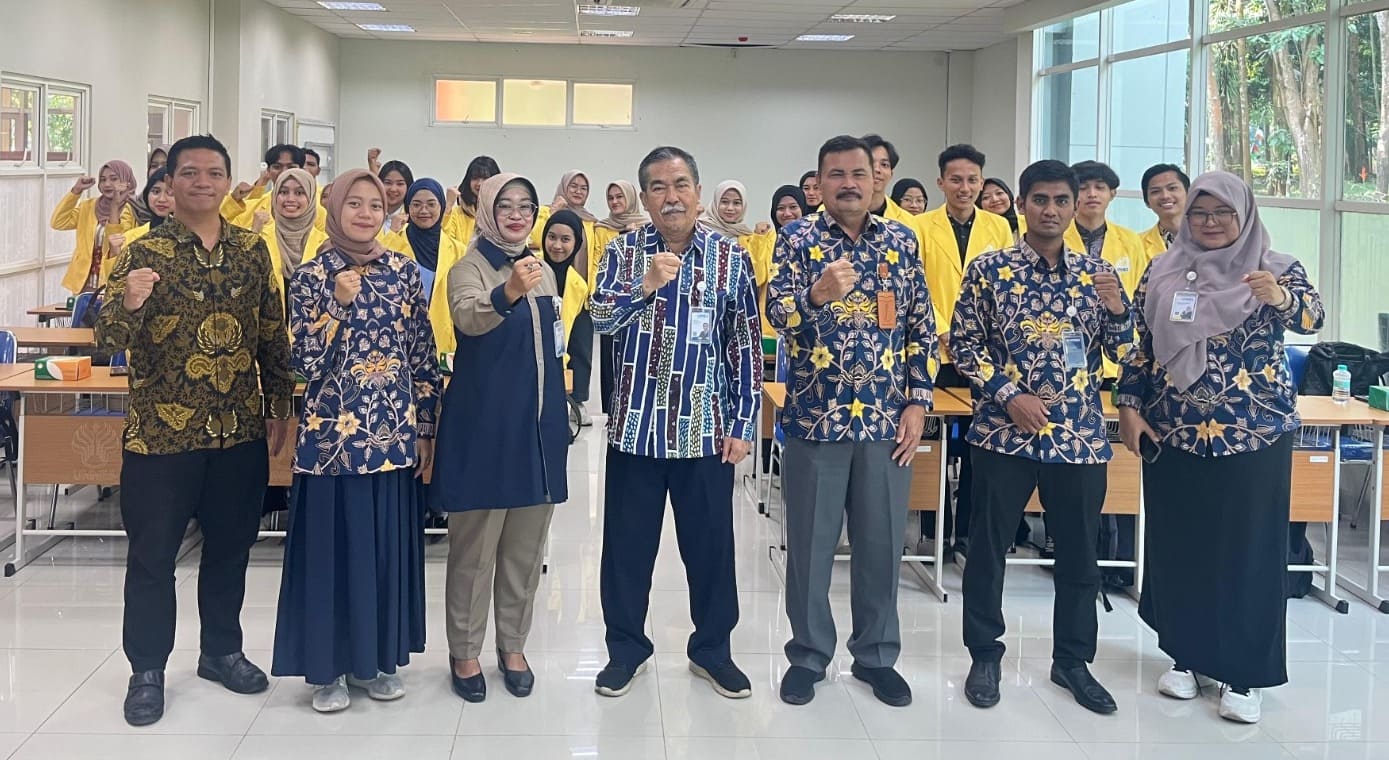
The Institute for Educational and Professional Development (LPPP) of Universitas Negeri Semarang (UNNES) conducted an orientation program for the LANTIP International Program on Wednesday, June 25, 2025. The event was organized to prepare students who will participate in international teaching internships, equipping them to become globally competitive educators.
The orientation was officially opened by the Vice Rector for Academic and Student Affairs, Prof. Dr. Zaenuri, S.E., M.Si., Akt. In his opening remarks, Prof. Zaenuri emphasized that this program presents a valuable opportunity for students to develop their professional competencies while expanding their global outlook.
“Make the most of this program to learn as much as possible. You are carrying the good name of UNNES and Indonesia. Maintain your conduct, ethics, and show that we are ready to make a global impact,” stressed Prof. Zaenuri.
Chair of LPPP UNNES, Prof. Dr. Rodiyah, S.Pd., S.H., M.Si., also delivered remarks, highlighting the importance of cultural adaptability for participating students.
“LANTIP International is part of our strategy to strengthen the quality of teacher education graduates. Students must be able to adapt, collaborate, and represent the identity of Indonesian educators on the global stage,” she explained.
The orientation was attended by 31 selected UNNES students from various academic programs who will undertake teaching internships in Australia, Malaysia, the Philippines, and Thailand. These students were chosen through a competitive selection process and will serve as official representatives of UNNES in this international program.
The orientation covered a range of essential topics, including: an overview of the LANTIP International policy framework, enhancement of intercultural teaching skills, guidelines for practicum reporting, introduction to host country cultures, and an experience-sharing session with LANTIP alumni. This comprehensive preparation is designed to ensure that students are not only academically and pedagogically prepared but also culturally aware and professionally equipped for international engagement.
The LANTIP International Program also contributes to the achievement of the Sustainable Development Goals (SDGs), particularly: SDG 4: Quality Education, by developing globally competent future educators; and SDG 17: Partnerships for the Goals, by strengthening UNNES’s international cooperation networks with educational institutions abroad.
Through this initiative, LPPP UNNES reaffirms its commitment to producing excellent educators who are not only academically capable but also prepared to be transformative agents in global education contexts.