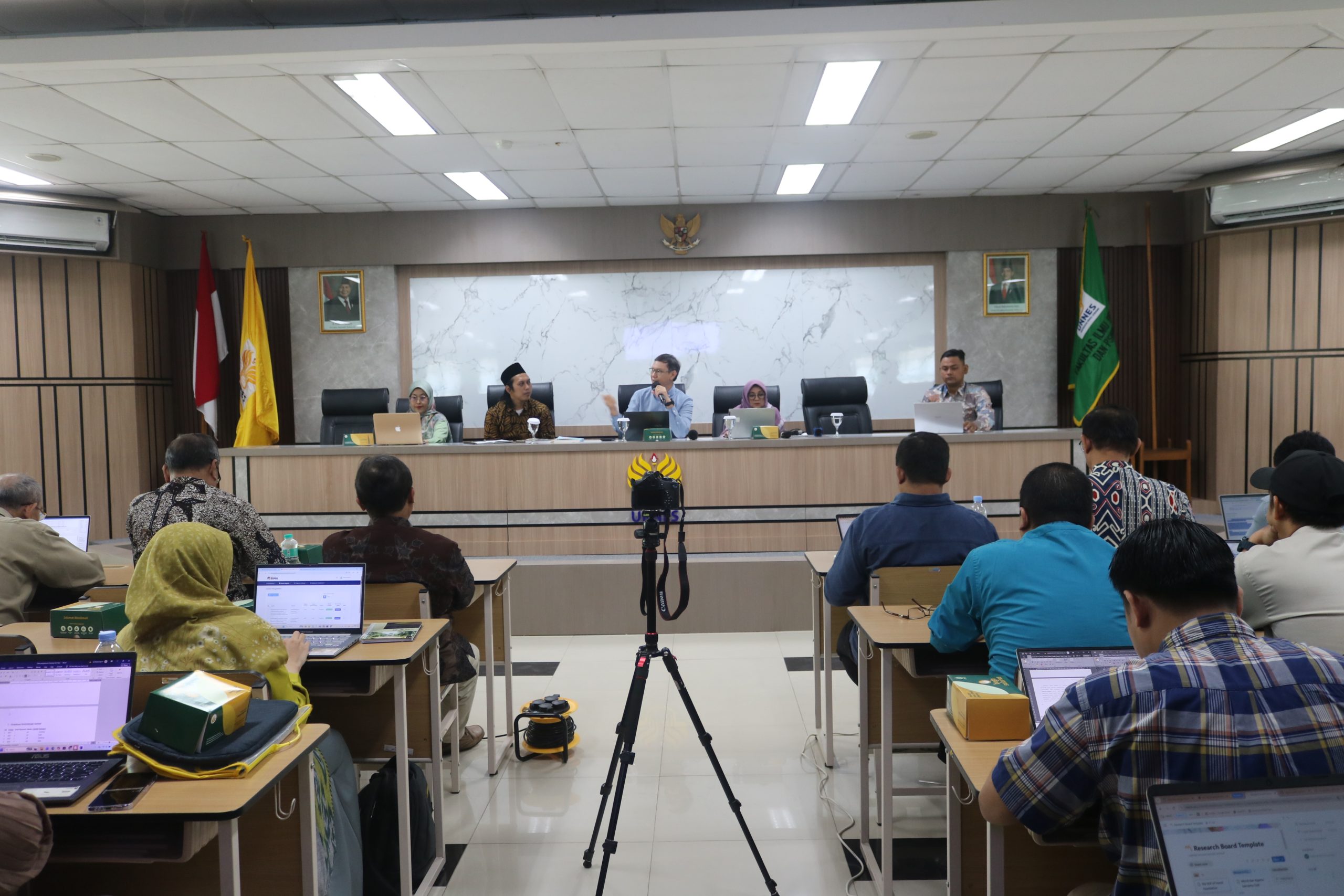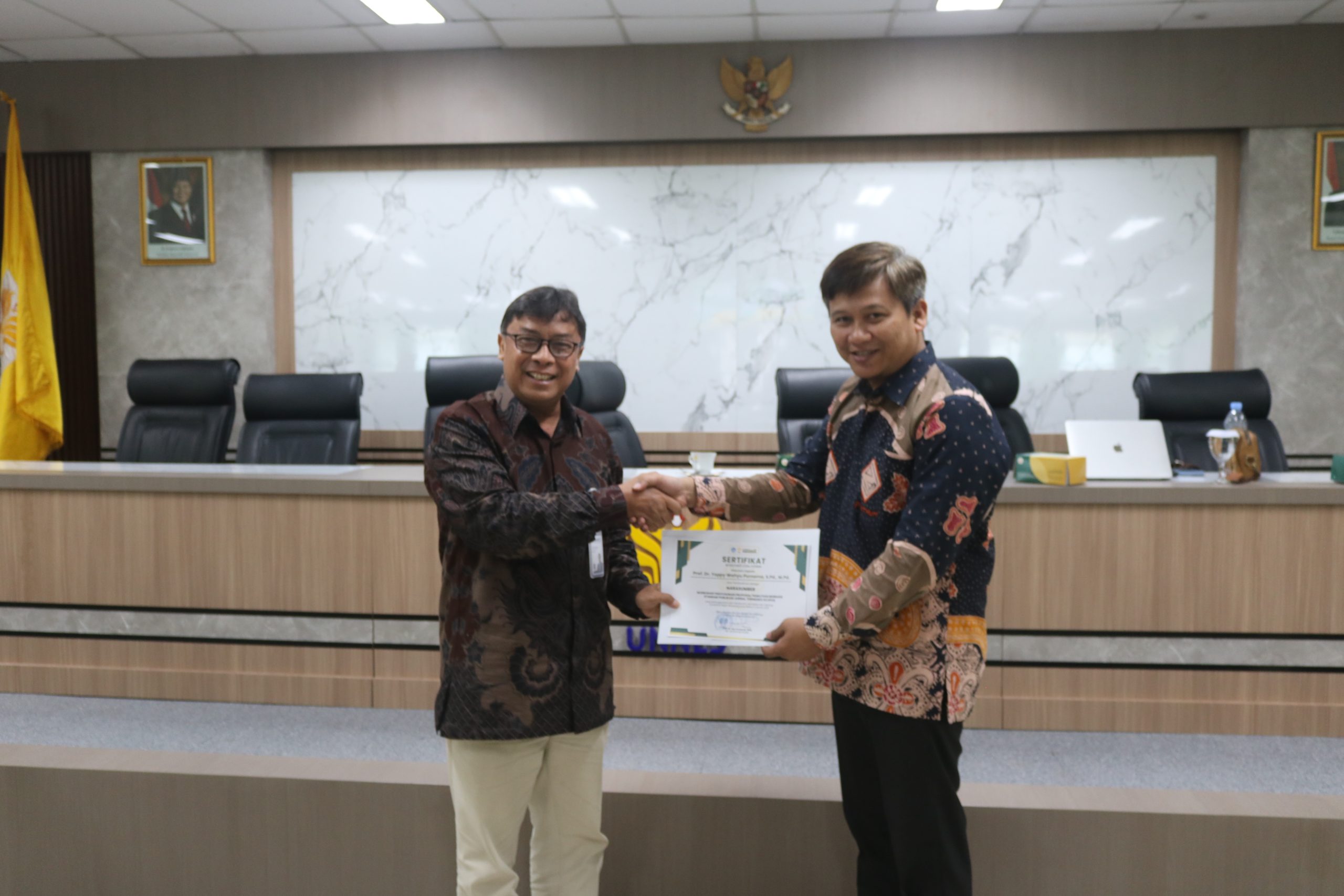
Universitas Negeri Semarang (UNNES) stands not only as a conservation-driven and environmentally conscious institution but also as a higher education entity that actively promotes public health and well-being through the provision of accessible sports facilities for both its academic community and the wider public.
As a university that houses the Faculty of Sports Science (FIK), UNNES has developed a wide range of modern sports infrastructures, including an athletics stadium, swimming pool, football field, tennis and badminton courts, an archery range, a climbing wall, and scenic jogging tracks encircling the campus. Additionally, the university provides a mini golf course and a driving range for both professional training and recreational purposes.
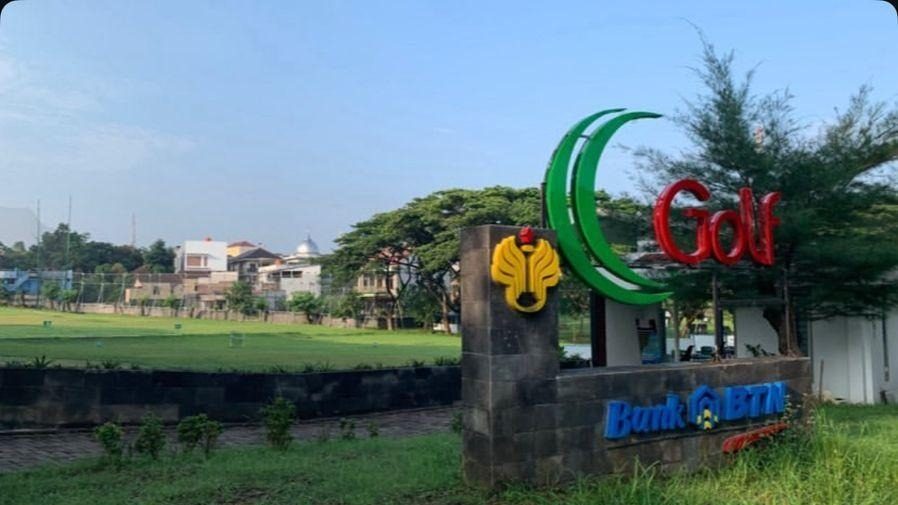
These facilities serve dual purposes — academic and community engagement. While they support educational activities such as teaching, research, and student training, UNNES also opens them to the general public, particularly residents and schools in the Gunungpati area of Semarang. This inclusivity has transformed the campus into a dynamic public space, particularly during afternoons and weekends, where students, lecturers, and residents engage in sports and social interaction.
Public Access and Utilization
Initially established to facilitate the academic needs of Sports Science students, UNNES’s sports facilities have gradually evolved into shared spaces that foster community well-being and social cohesion. The university categorizes facility access into three types:
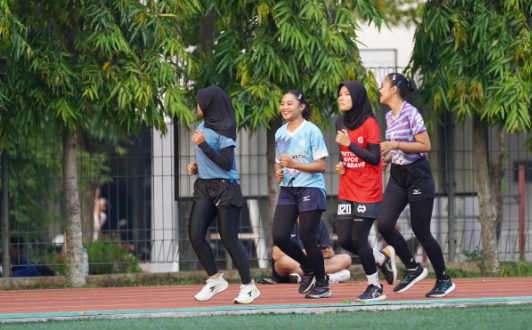
- Free Access Facilities — These are open to everyone without charge, including the jogging tracks surrounding the Rectorate Field and Prof. Dirham Field, which are accessible daily.
- Semi-Paid Access Facilities — Facilities such as tennis, futsal, and archery courts can be booked with minimal maintenance fees aimed at sustainability rather than profit.
- Paid Access Facilities — The swimming pool and athletics stadium are available for large-scale sports events, tournaments, and organized training sessions.
A Vibrant Space for Health and Community Interaction
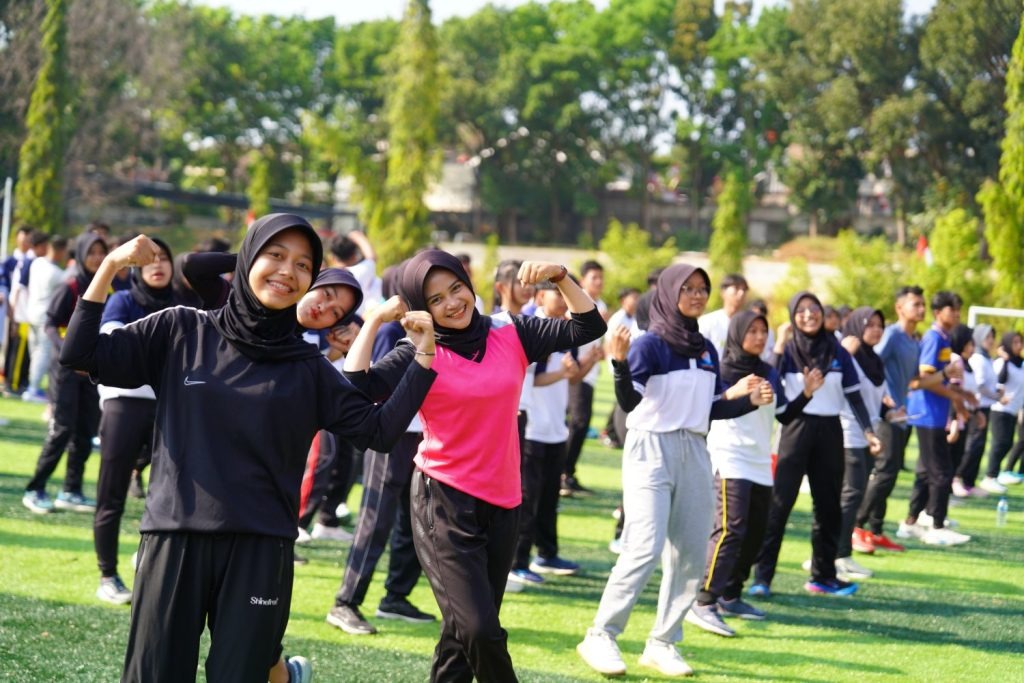
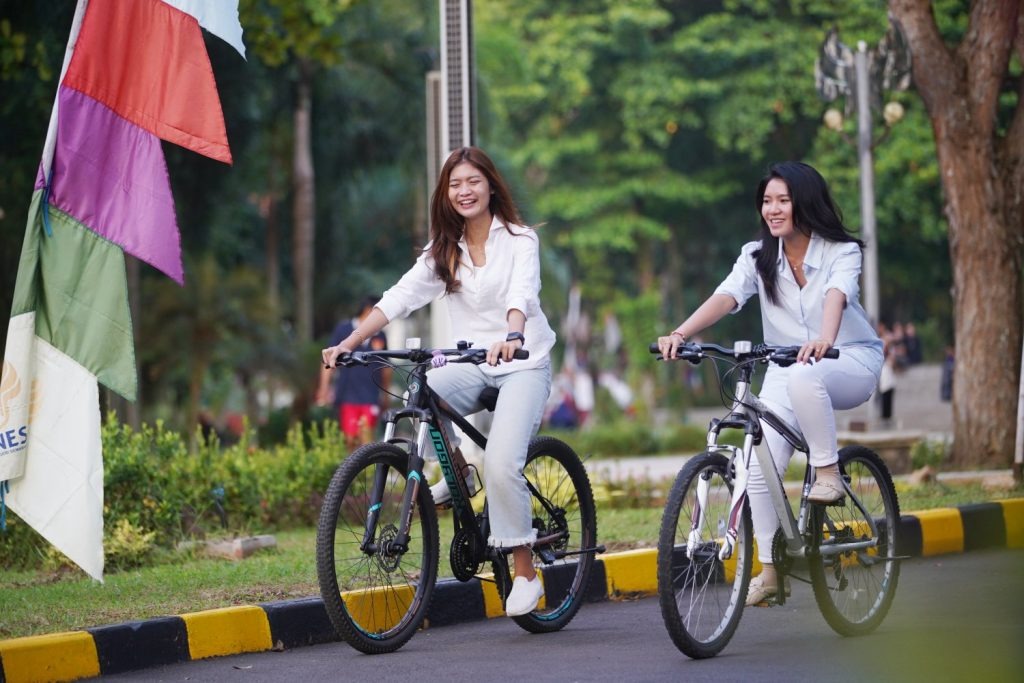
The openness of these facilities has made UNNES a vibrant hub of physical activity and social engagement. Each afternoon, the Rectorate jogging track becomes a gathering point for lecturers, students, and local residents, fostering interaction in a relaxed and healthy atmosphere.
During weekends, families from across Semarang frequent the Prof. Dirham Field to exercise, jog, or enjoy outdoor leisure time. Furthermore, several nearby schools routinely use UNNES’s sports venues for physical education classes, athletic training, and interschool competitions — reinforcing the university’s commitment to community service and youth development.
Community Sports Engagement and Events
UNNES also actively organizes public sports events such as fun walks, mass aerobic sessions, and cycling activities to encourage healthy lifestyles. These initiatives are often held in celebration of national holidays, university anniversaries, or as part of public health campaigns.
In 2024, UNNES hosted several significant sports competitions, including:
- National Student Petanque Championship (May 22–26, 2024)
- Central Java Provincial Student Sports Week (POPDA) – Archery Category (June 22–23, 2024, at Prof. Dumadi Field)
- Bhayangkari Volleyball Tournament for the Regional Police Chief’s Cup (July 8–9, 2024)
- Central Java Elementary and Junior High POPDA – Archery and Badminton Categories (November 4–7, 2024)
- Superco Superfest 2024 Youth Football Tournament (November 10, 2024)
- Provincial Sports Week (PORPROV) of the Indonesian Civil Servant Corps (KORPRI) (December 9–12, 2024)
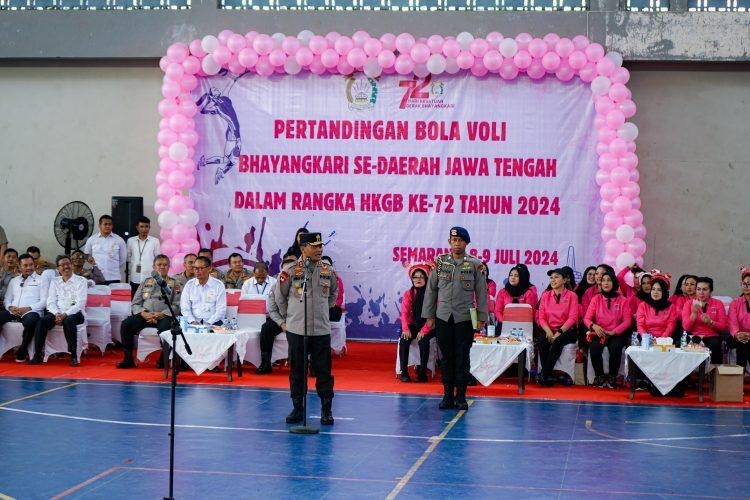
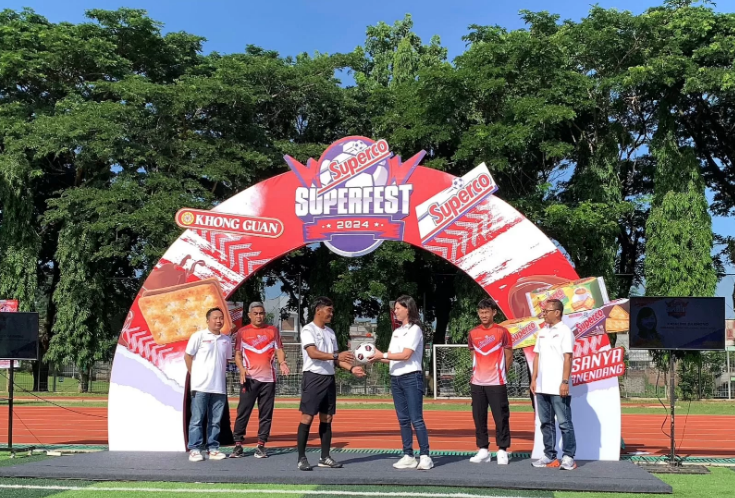
Through these regular activities, UNNES strengthens its role as a center for community health, youth development, and civic engagement.
Commitment to a Healthy and Inclusive Campus Environment
According to Vice Rector for Planning and Cooperation, Prof. Dr. Nur Qudus, UNNES remains committed to continuously improving its sports facilities to ensure inclusivity and sustainability.
“Our facilities are not built solely for academic purposes, but to promote a healthy lifestyle among the public. We envision UNNES as a welcoming, healthy, and inclusive public space,” he stated.
This initiative embodies UNNES’s broader mission as a conservation university — one that integrates education, sports, and community empowerment. By harmonizing these elements, UNNES continues to demonstrate its dedication to nurturing both academic excellence and societal well-being within and beyond the Semarang region.