Semarang, October 2024 — Universitas Negeri Semarang (UNNES) continues to strengthen its position as a leader in environmental stewardship through ecosystem and biodiversity conservation programs that engage students, researchers, and local communities. Through collaborative projects with government agencies, NGOs, and international partners, UNNES promotes the restoration and sustainable management of vulnerable ecosystems, including mangrove forests, coastal zones, and native plant habitats.
Empowering Communities and Protecting Coastal Ecosystems

International Students Plant Mangroves
Source: UNNES’ Documentation
In the Semarang coastal region, UNNES students and international partners have planted thousands of mangrove seedlings, contributing to coastal resilience, biodiversity restoration, and the prevention of erosion. These initiatives not only restore the ecological balance but also empower local communities through participatory environmental education and sustainable livelihoods.
The mangrove planting programs form part of UNNES’s broader conservation framework that integrates research, education, and community service in line with its status as a Conservation University with Global Reputation.
Conservation of Native and Endangered Plant Species
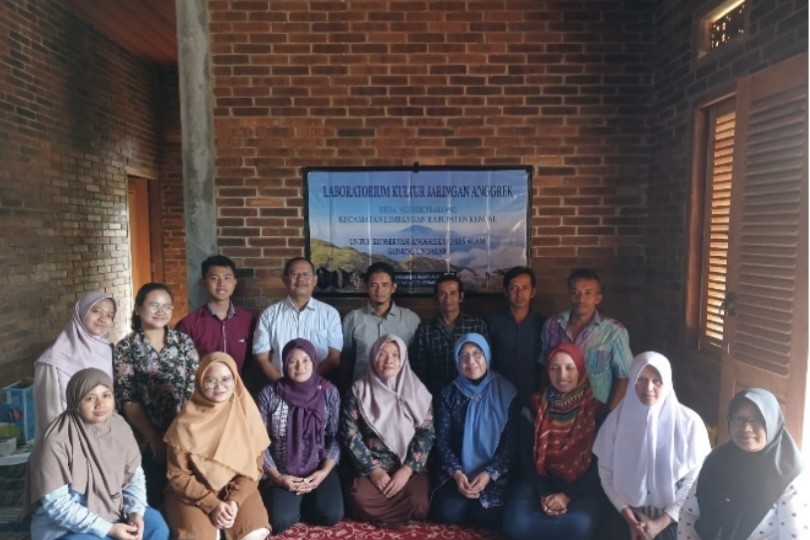
Development of Tissue Culture Laboratory in Ngesrepbalong Village as an Effort to Conserve Rare Orchids
Source: UNNES’ Documentation

Epiphytic orchids from Kendal regency
Source: Lutfian Nazar www.akarbanir.org
UNNES also leads the preservation of native plant biodiversity, including epiphytic orchids and other threatened flora in Central Java. A notable initiative includes the development of a Tissue Culture Laboratory in Ngesrepbalong Village, Kendal Regency, which serves as a center for orchid conservation and propagation research.
This community-based laboratory fosters collaboration between UNNES researchers and local residents, ensuring that conservation knowledge is shared and applied sustainably at the grassroots level.
Integrated Education and Research for Biodiversity

UNNES Reservoir
Source: UNNES’ Documentation
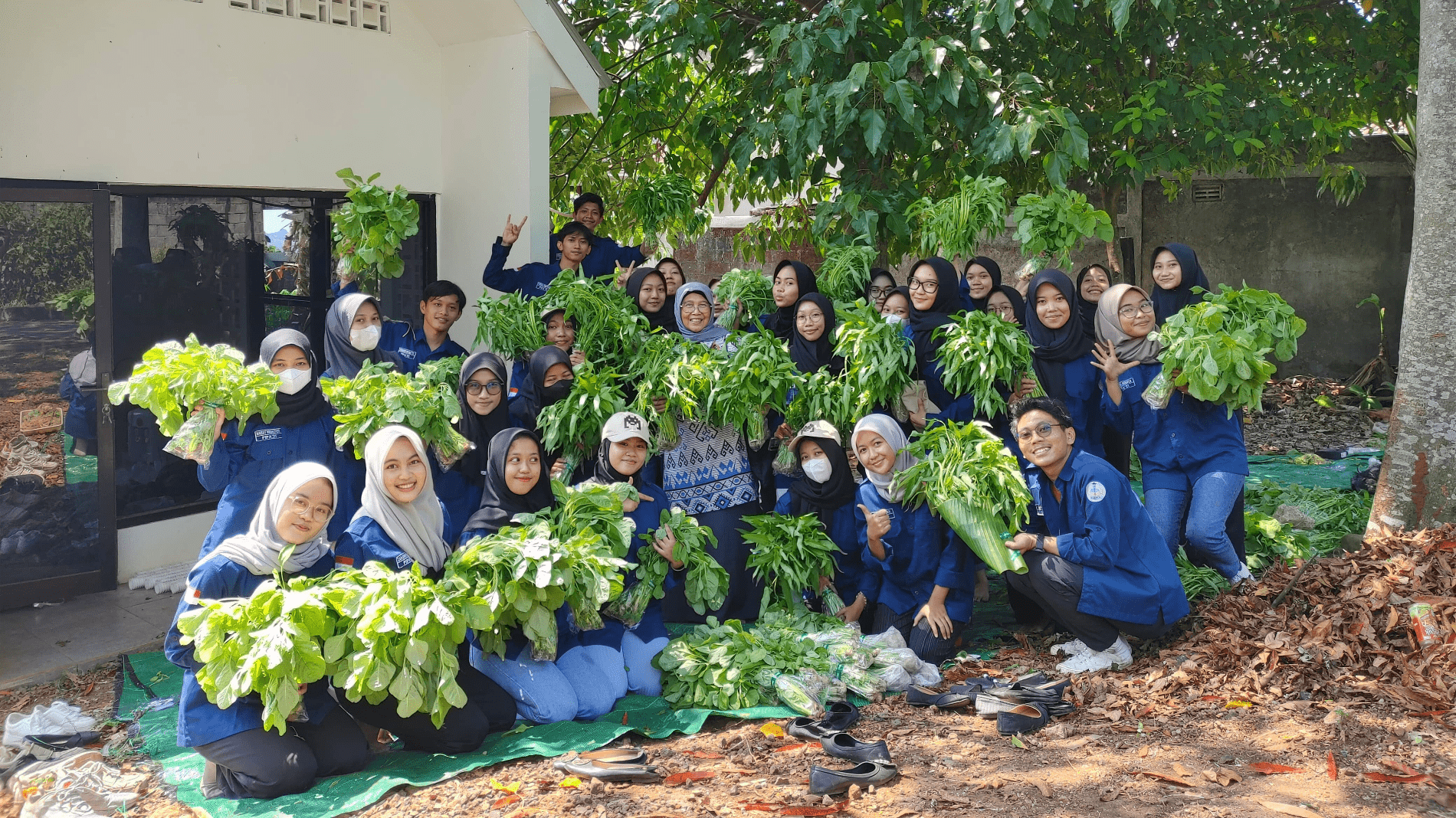
Beyond direct conservation activities, UNNES integrates biodiversity protection into its curriculum, research, and outreach programs. Environmental science, biology, and conservation students regularly participate in biodiversity mapping, ethnobiology research, and eco-training programs in protected areas such as Gunung Ungaran, Limbangan, and Medini.
These initiatives raise public awareness of the importance of preserving native ecosystems and align with UNNES’s commitment to Education for Sustainable Development (ESD) principles.
UNNES also maintains living laboratories, such as the UNNES Water Reservoir (Embung) and Green Techno Park, which serve as ecological education sites that promote water management, biodiversity, and environmental innovation.
National Recognition and Global Conservation Engagement
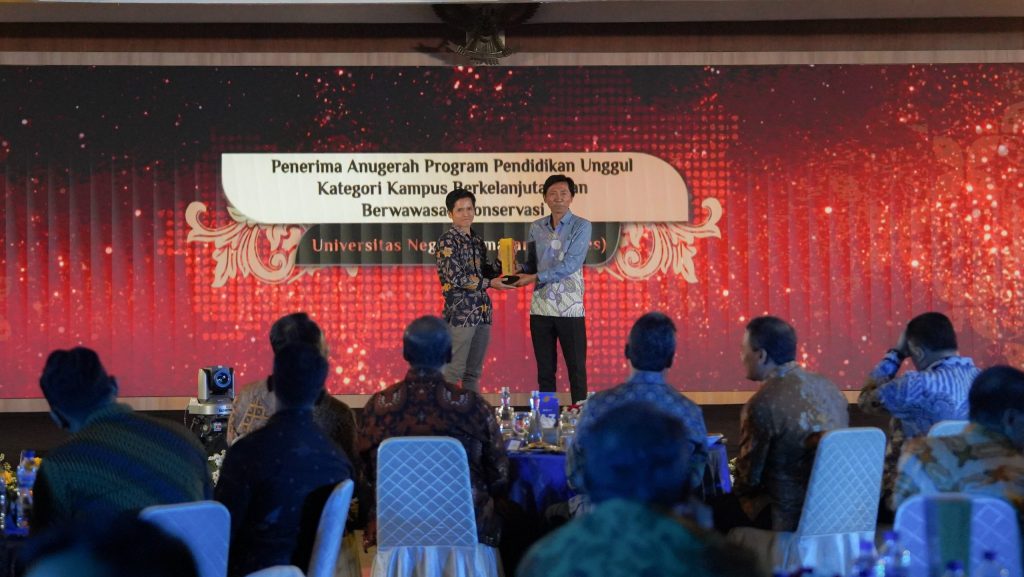
UNNES Wins Award for Sustainable and Conservation-Minded Campus
Source: UNNES’ Documentation
For its continuous environmental innovation, UNNES received recognition as a Sustainable and Conservation-Minded Campus, affirming its leadership among Indonesian universities advancing sustainable development.
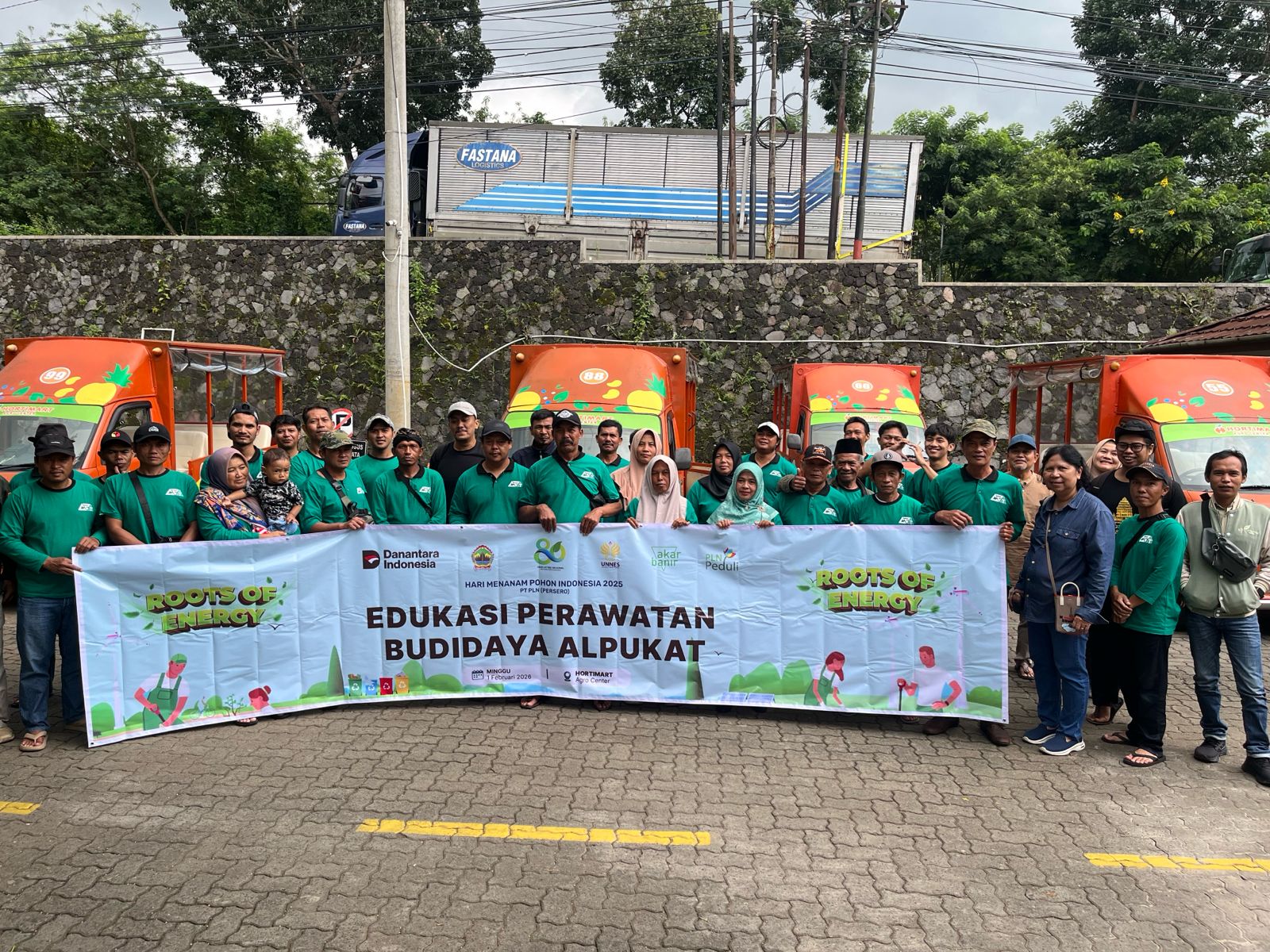
UNNES’s reforestation and ecosystem protection initiatives extend beyond campus boundaries, including active participation in reforestation efforts at Ibu Kota Nusantara (IKN) — Indonesia’s new capital — as part of national efforts to develop a Forest City.
Commitment to the Sustainable Development Goals (SDGs)
UNNES’s biodiversity conservation activities directly contribute to the United Nations Sustainable Development Goals (SDGs), particularly SDG 13 (Climate Action), SDG 14 (Life Below Water), and SDG 15 (Life on Land). Through its research, education, and community partnerships, UNNES exemplifies how higher education institutions can serve as catalysts for ecological preservation and social empowerment.
“Conservation is not limited to protecting nature—it’s about fostering awareness, responsibility, and collaboration between the university and the wider community,” stated the Rector of UNNES.
By combining scientific innovation with community participation, UNNES continues to expand its impact as a national and international model for sustainable ecosystem management.