Universitas Negeri Semarang (UNNES) reaffirms its commitment to equity, diversity, and inclusion through the implementation of a non-discriminatory admissions policy that embraces both academic and non-academic criteria via a holistic and contextual evaluation approach.
The admissions process is managed by the Admission and Integrated Services Unit (ULT), which ensures fairness, transparency, and accessibility across all selection pathways. The policy reflects UNNES’s dedication to removing barriers and promoting opportunities for students from all backgrounds, including underrepresented and marginalized groups.
Legal Foundation: Rector Regulation No. 116 of 2024
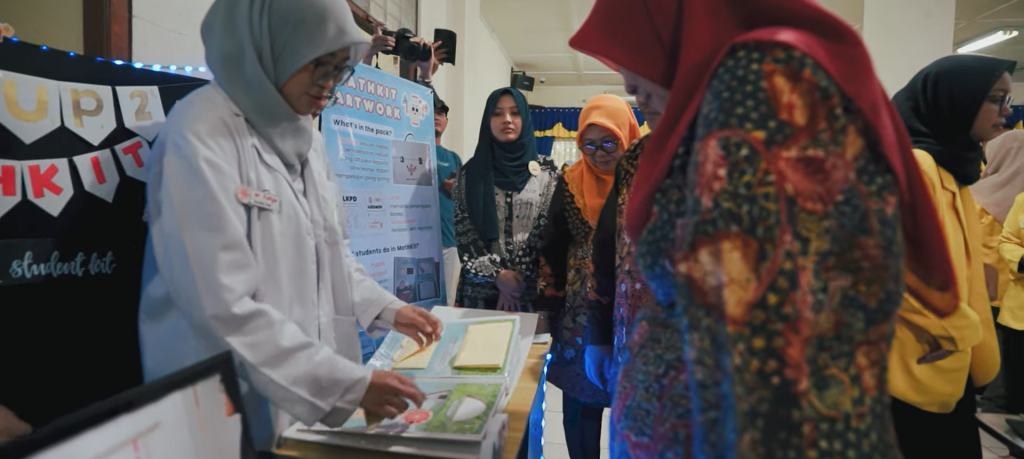
KINEMATIKA: Innovative Works in Inclusive Mathematics Education 2024
Source: UNNES’ Documentation
The university’s inclusive admission framework is formally established through Rector Regulation Number 116 of 2024 concerning Educational Services for Students with Disabilities. This regulation provides comprehensive guidance on ensuring accessibility and fairness during the admission process, learning activities, and campus services.
The policy includes standard operating procedures (SOPs) for appeal mechanisms and reasonable accommodations for students with disabilities. These include the provision of assistive tools, accessible examination materials, and personal assistance for visually impaired students and others requiring specific support.
Affirmative Measures for Underrepresented Groups

Papua Students in UNNES
Source: UNNES’ Documentation
In line with its inclusive mission, UNNES implements affirmative action policies within the admissions system. These measures include special quotas and adjusted score thresholds to support students from:
- Remote, underdeveloped, and frontier regions (3T areas),
- Low-income families, and
- Individuals with disabilities.
These initiatives help ensure that students from diverse and disadvantaged backgrounds can access quality higher education. UNNES also provides guidance, counseling, and preparatory programs to help admitted students adjust to the academic environment.
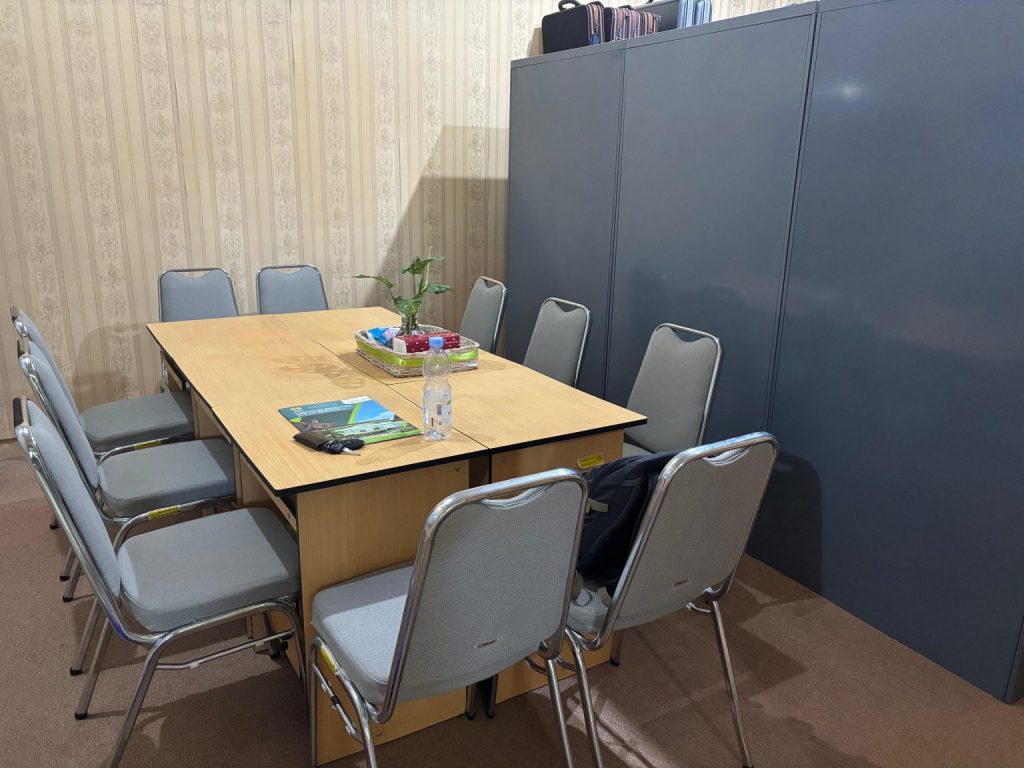
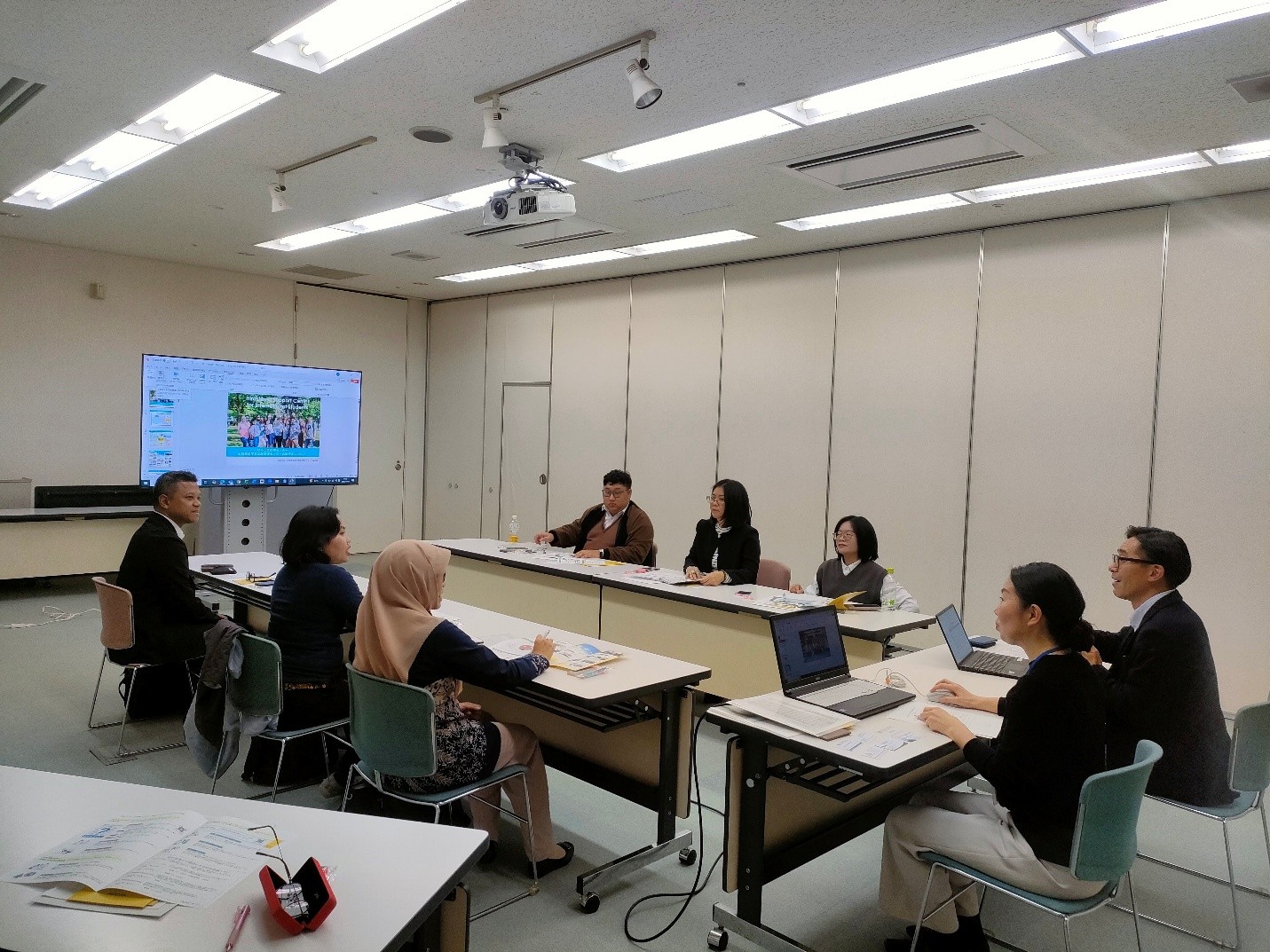
Consultation Room for All Students in the Faculty of Education and Psychology
Source: UNNES’ Documentation
Such policies are part of UNNES’s broader institutional efforts to uphold social justice and equal opportunity, reflecting the university’s values as a Disability-Friendly Institution.
Commitment to Gender and Diversity Representation
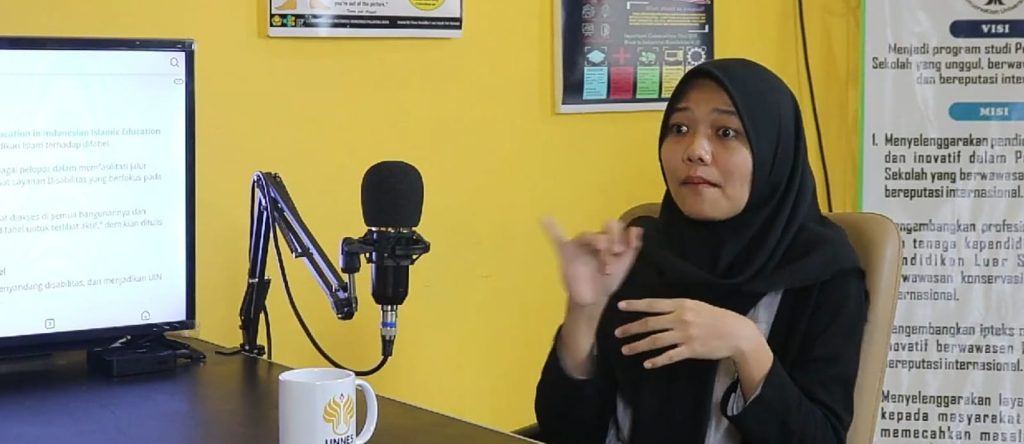
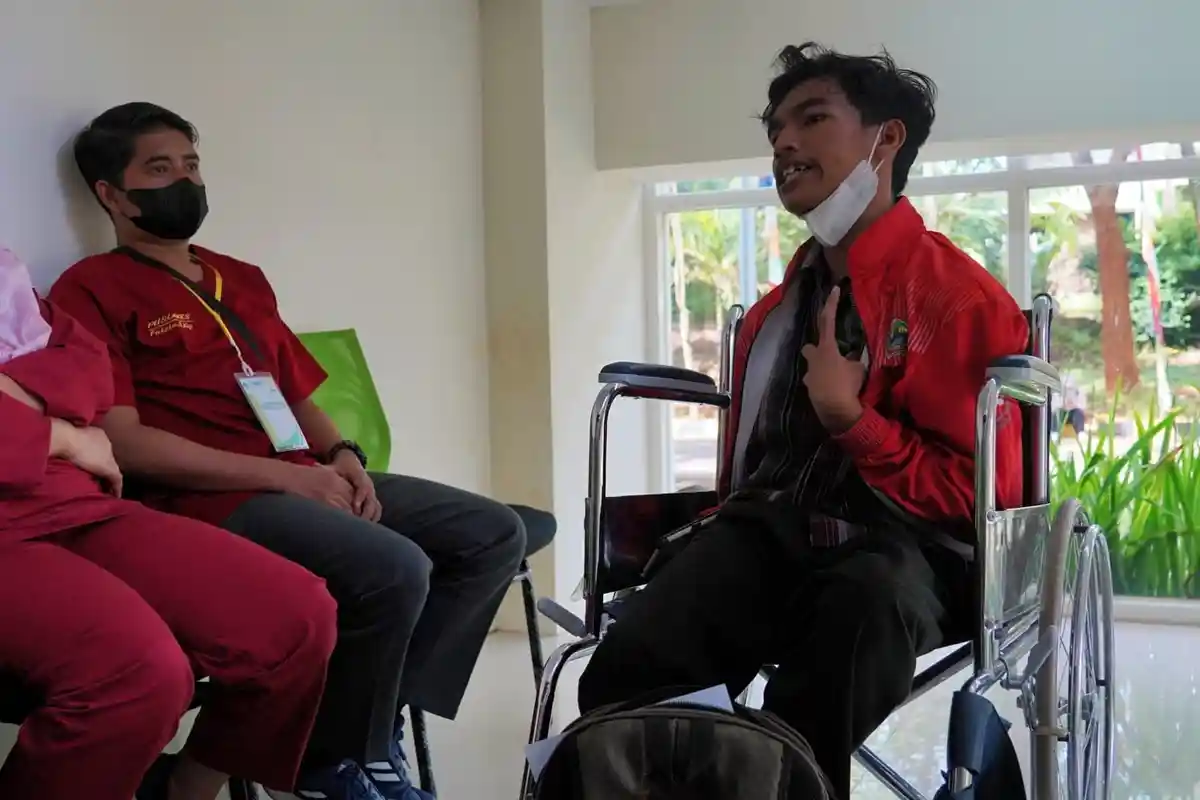
UNNES Female Students with Disabilities Participated in the Podcast Event
Source: UNNES’ Documentation
UNNES’s inclusive admissions strategy has led to significant female student representation and ongoing recognition for its disability-friendly initiatives. The approach strikes a balance between academic merit, contextual understanding, and a commitment to social equity, thereby reinforcing UNNES’s leadership in inclusive education among Indonesian universities.
“These policies ensure that UNNES remains a campus where inclusion is not just a principle but a lived practice,” said the Rector of UNNES. “We are committed to providing education that is accessible, equitable, and empowering for all.”
Advancing the Sustainable Development Goals (SDGs)
Through these initiatives, UNNES continues to advance the United Nations Sustainable Development Goals (SDGs), particularly Goals 4 (Quality Education) and 10 (Reduced Inequalities). The university’s policies affirm its role as a Conservation University with Global Reputation, integrating accessibility, fairness, and diversity into its academic and administrative systems.