Semarang, November 2024 – Universitas Negeri Semarang (UNNES) continues to demonstrate its commitment to inclusion and equal access through comprehensive infrastructure and policy initiatives that ensure full participation of people with disabilities in campus life.
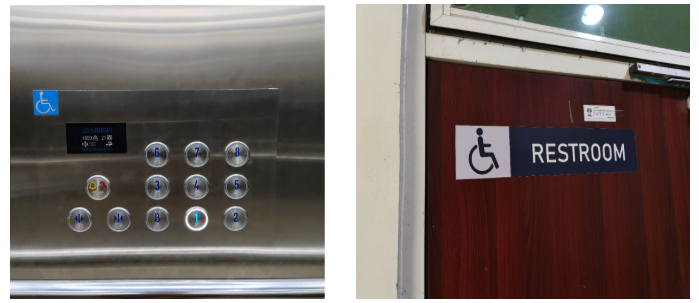
UNNES provides ramps, Braille-equipped lifts, accessible pedestrian routes, and dedicated transportation services to facilitate mobility for students, staff, and visitors with disabilities. These measures are part of the university’s broader strategy to create a safe, equitable, and inclusive learning environment for all.
Inclusive Transportation Policy and Accessibility Regulation
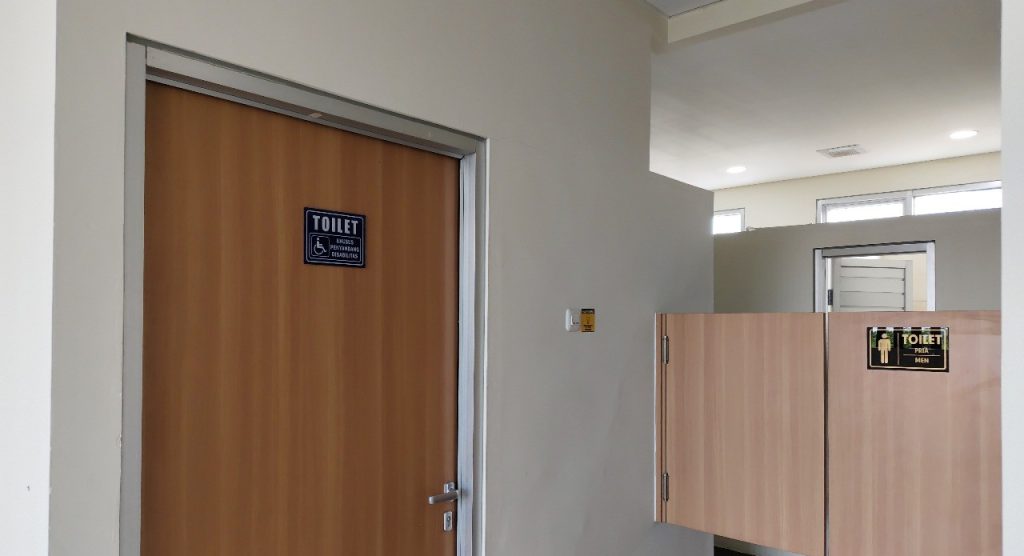
A Toilet for Disabled Students, Source: UNNES Documentation
The university’s accessibility commitment is formally governed by Rector Regulation No. 11 of 2020, which outlines the Internal Transportation System at UNNES. The regulation mandates the provision of special vehicles and routes within the university’s internal transportation network specifically designed for people with disabilities.
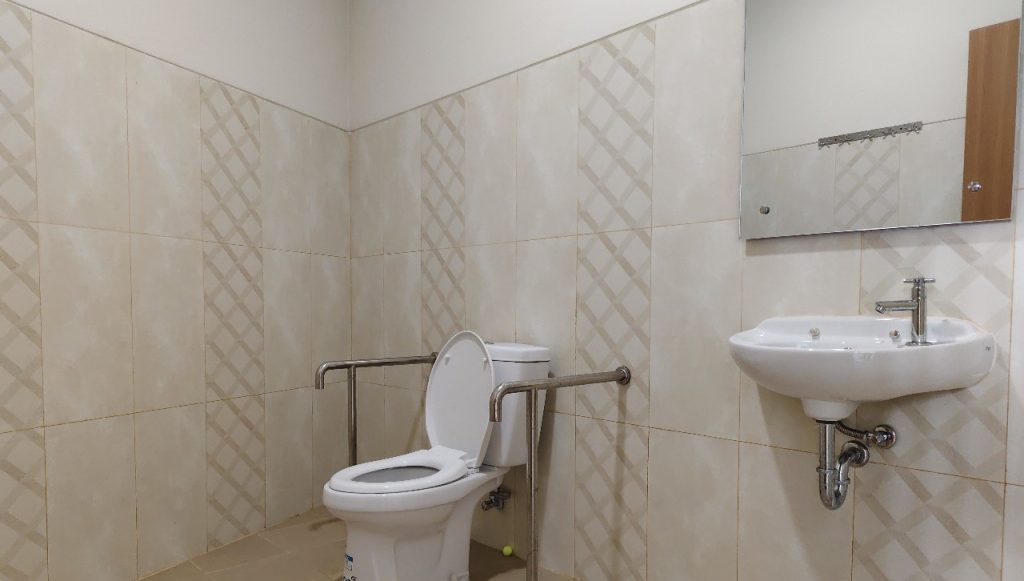
An Inside of a Toilet for Disabled Students, Source: UNNES Documentation
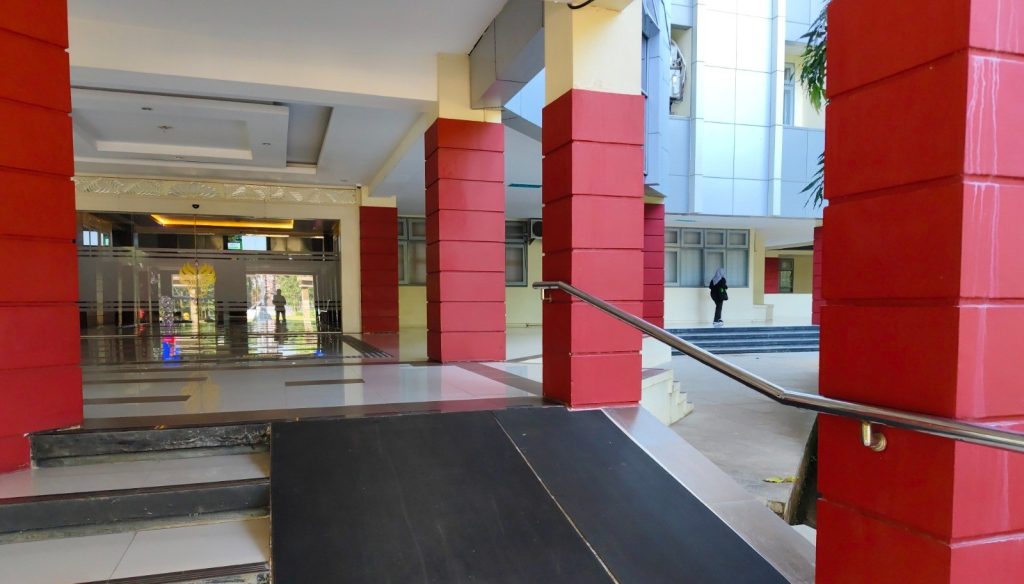
A Ramp for Disabled Students, Source: UNNES Documentation
Under this regulation, individuals with disabilities may also be exempt from certain transportation restrictions, ensuring that mobility within the campus remains barrier-free and accessible. This initiative reflects UNNES’s dedication to aligning infrastructure development with principles of equality, diversity, and sustainability.
Education and Awareness Through Training and Media
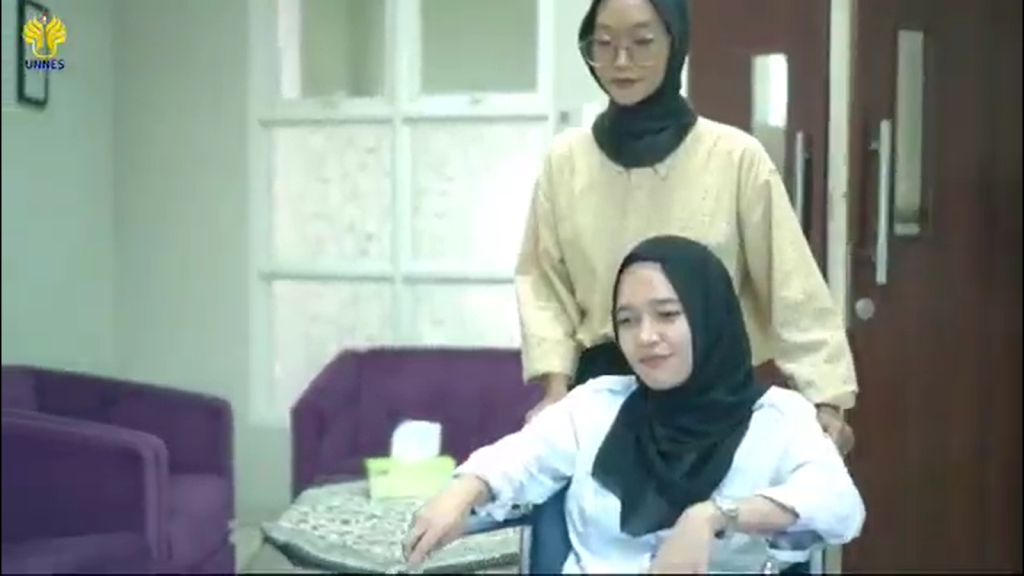
A Video of Facilities for Disability Students, Source: UNNES Documentation
UNNES not only invests in physical accessibility but also in awareness and capacity building. Through the UNNES Institute of Educational and Professional Development, the university regularly produces educational videos and materials on disability services, highlighting inclusive practices and encouraging understanding among the campus community.
As part of the Sustainable Development Goals (SDGs) framework, particularly SDG 4 (Quality Education) and SDG 10 (Reduced Inequalities), UNNES ensures that accessibility and inclusion remain central to its institutional mission.
“Accessibility is not merely an infrastructure agenda; it is a manifestation of UNNES’s moral and social responsibility to uphold equality and dignity for all,” said the Rector of UNNES.
Through this combination of policy, infrastructure, and education, UNNES continues to strengthen its reputation as a Conservation University with Global Reputation, ensuring that every member of its community can learn, work, and thrive without barriers.