Universitas Negeri Semarang (UNNES) continues to strengthen its commitment to sustainable development by implementing Green Building standards in every new construction project. This initiative is formalized through Circular Letter No. B/28595/UN37/PA.00.00/2024 on Green Buildings, which serves as a guideline for all physical development activities within the university.
The certification process for building projects at UNNES refers to the Green Building Certification Inc. (GBCI), forming part of the university’s broader Green Campus and Conservation University framework. By adopting these standards, UNNES ensures that every new building serves not only academic and administrative functions but also contributes significantly to environmental sustainability.
During the construction process, UNNES adheres to key principles such as energy efficiency, water conservation, eco-friendly waste management, and the enhancement of green open spaces. These principles are applied comprehensively—from the planning and material selection stages to the operational management of the buildings.
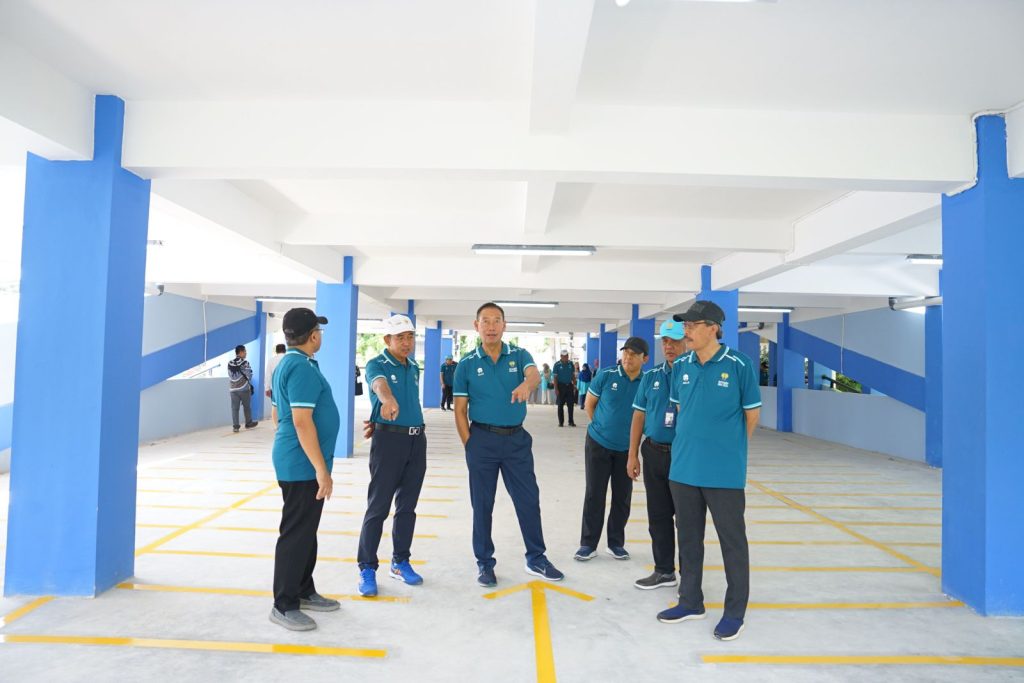
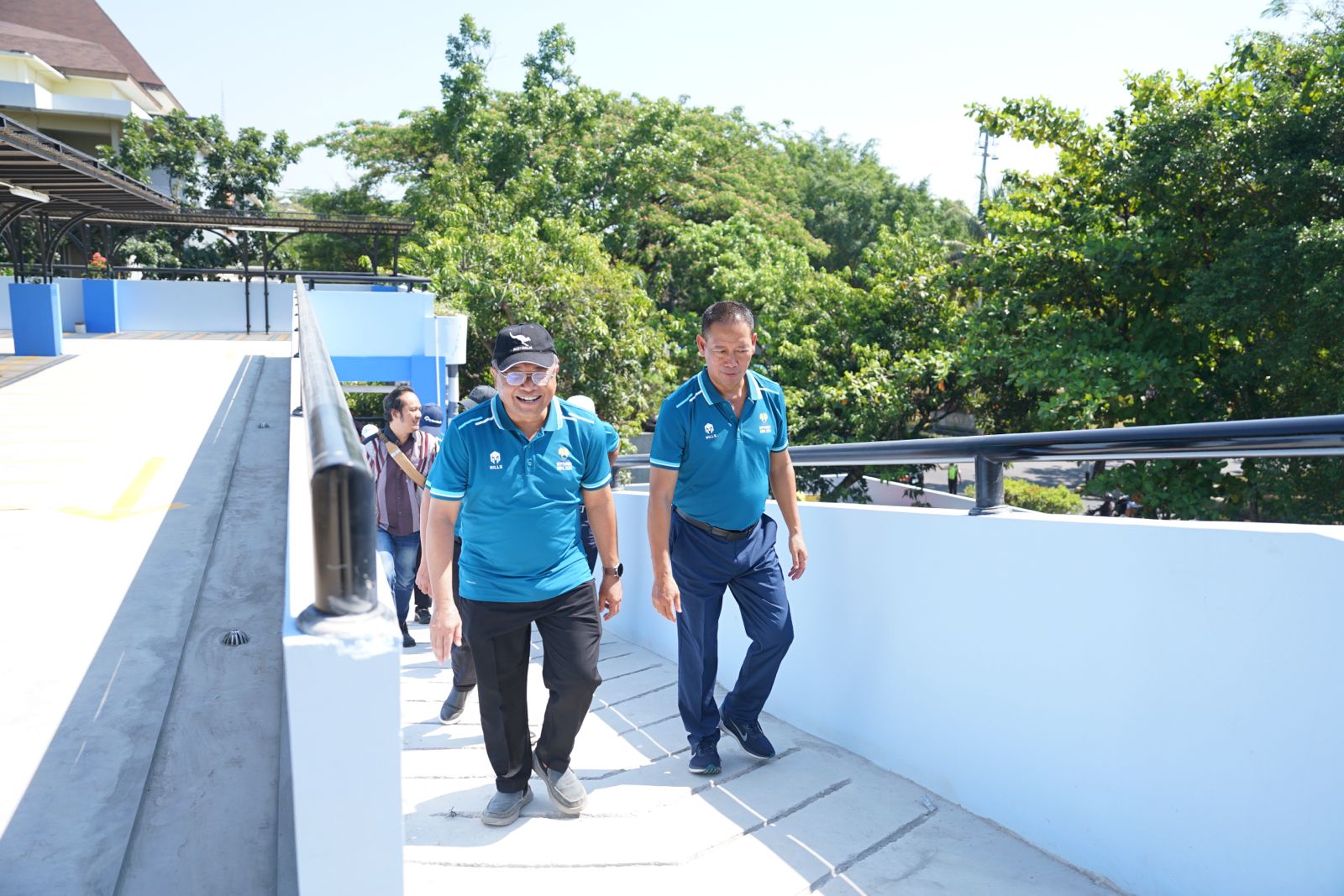
Several new buildings at the Sekaran and Bendan campuses have been designed to optimize natural lighting and cross-ventilation, thereby improving air circulation and reducing electricity consumption. Additionally, UNNES incorporates environmentally friendly materials and implements sustainable drainage systems to minimize ecological impacts on surrounding areas.
According to the Head of the Bureau of General Affairs and Finance at UNNES, this policy aligns with the university’s vision as an Internationally Oriented Conservation Campus.
“The Circular on Green Buildings serves as a crucial guideline for UNNES to ensure that every construction process is not only efficient but also sustainable and environmentally responsible,” he stated.
Through the implementation of Green Building Certification standards, UNNES reaffirms its position as a pioneer of sustainable campuses in Indonesia. This initiative aims to create a healthy, energy-efficient learning environment that supports environmental preservation within and around the university.