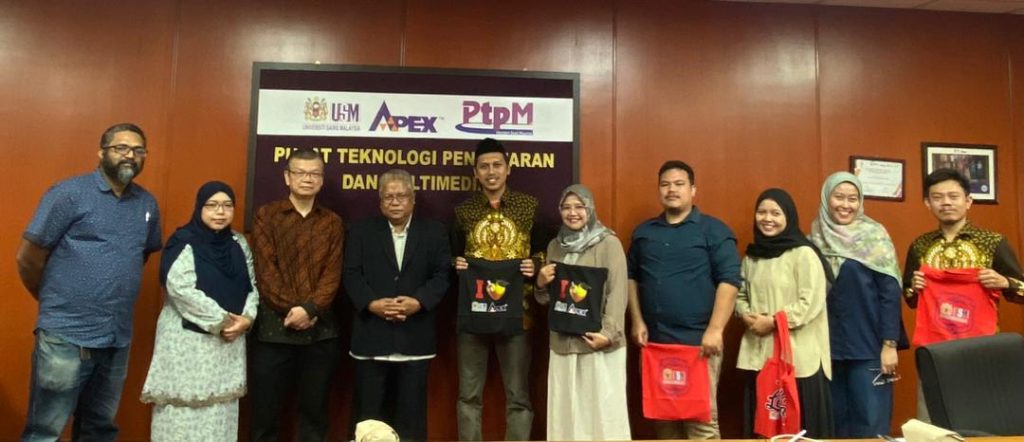
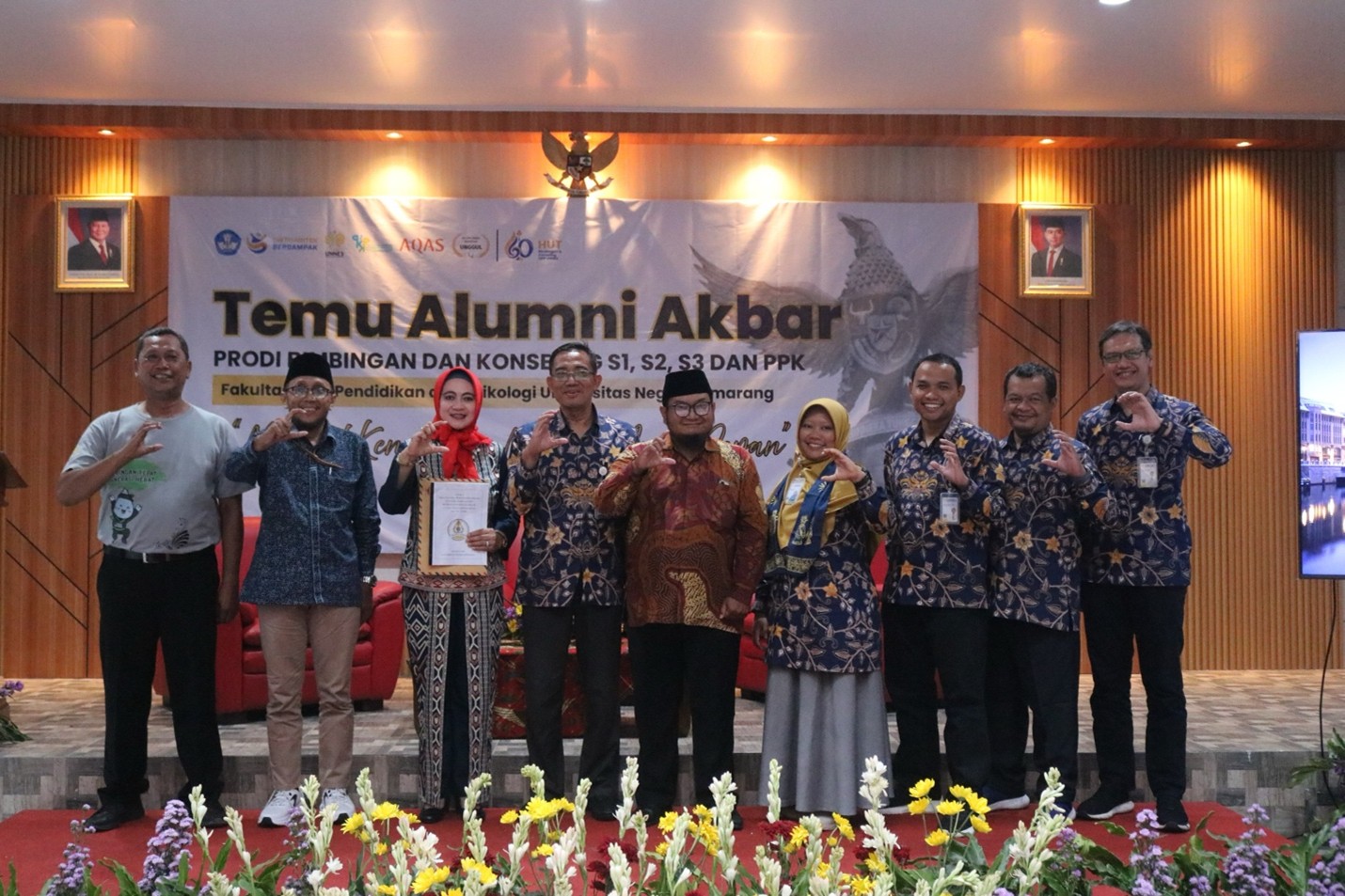
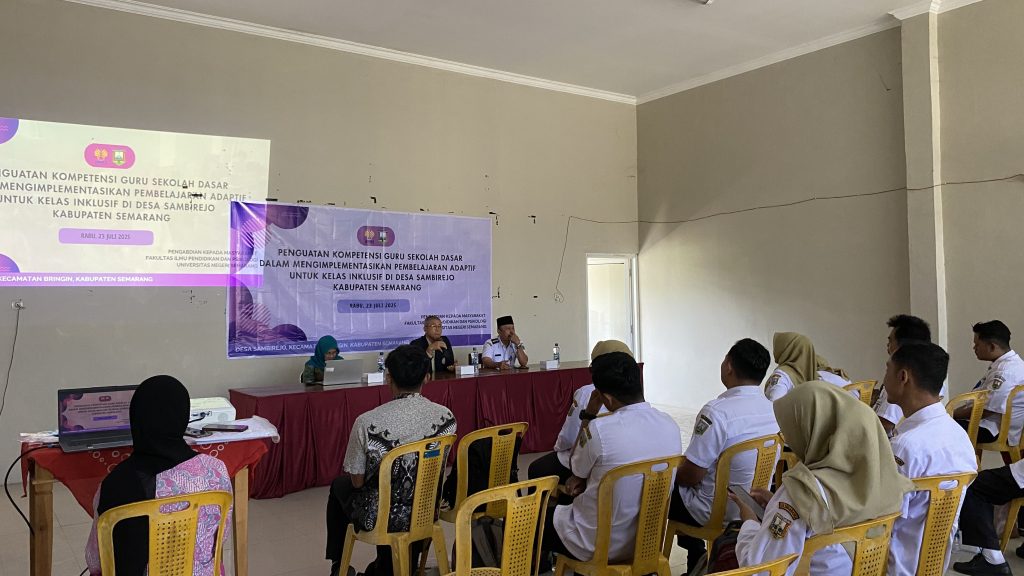
In alignment with Sustainable Development Goal 4 (SDG 4), which promotes inclusive and equitable quality education and lifelong learning opportunities for all, Universitas Negeri Semarang (UNNES) has strengthened its mission to extend education beyond the university environment. As a conservation and inclusive university, UNNES integrates education, research, and community service to empower citizens through faculty-led and student-run initiatives. These programs aim to bring knowledge, innovation, and capacity-building directly to communities, schools, and local institutions, ensuring that education contributes to sustainable development and social progress.
Educational Outreach Beyond Campus
Community service is one of the core pillars of UNNES’s Tri Dharma of Higher Education, alongside education and research. It not only extends the university’s educational impact but also strengthens its role in improving the quality of life for communities. Throughout 2024, UNNES’s community service programs made significant progress, with a total funding allocation of 9,029,696,000 IDR. This funding came from various national schemes such as DRTPM (Directorate of Research, Technology, and Community Service) and cross-sector collaborations.
A wide range of programs were carried out using participatory and collaborative approaches, including Village Empowerment Programs, Community Partnership Programs, Entrepreneurship Development Initiatives, and the integration of community service with project-based learning. Beyond lecturers, these programs also involved students through Thematic Community Service Programs (KKN) that were aligned with UNNES’s conservation mission and village empowerment schemes.
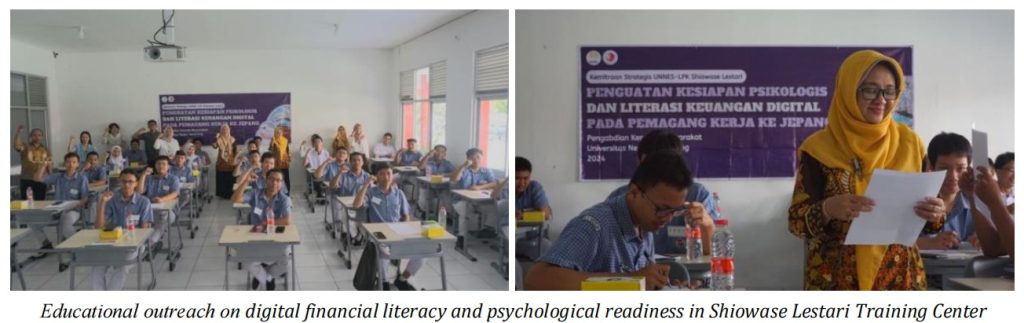
UNNES conducts wide-ranging educational outreach programs across schools, communities, government offices, and small businesses throughout Central Java and beyond. The activities include lectures for government officials, teacher training programs, entrepreneurship workshops, literacy campaigns, and technology demonstrations. These initiatives address the specific learning needs of diverse groups and are designed to make education a practical and transformative force for communities. By taking learning outside the classroom, UNNES ensures that education benefits not only students but society as a whole. Experts in digital financial literacy and psychological readiness conducts events at the university and off
campus, for example, at the training center for interns bound for Japan.
Massive Student Involvement in Community Education
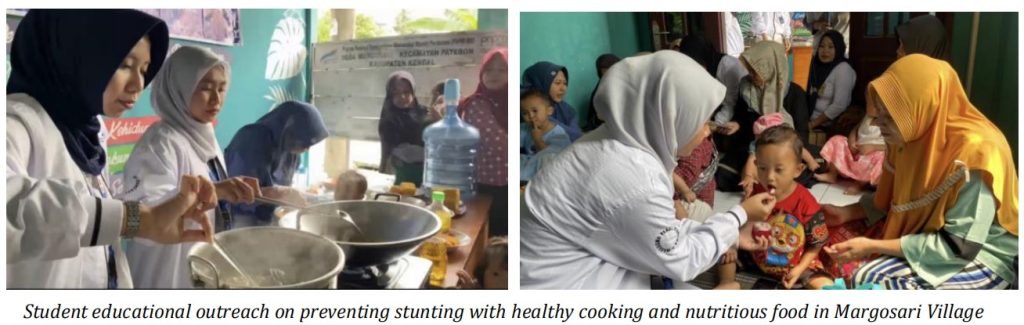
A key strength of UNNES’s outreach efforts lies in student participation. In 2024, 4,400 students from fourteen study programs of nine departments took part in community service and educational programs that reached 383 villages across 25 districts in Central Java. These student-run activities serve as real-world learning experiences where participants apply academic knowledge to solve local problems. Projects range from school-based education and digital literacy initiatives to environmental campaigns and small business support. This large-scale engagement demonstrates UNNES’s commitment to experiential learning and to developing socially responsible graduates.
Promoting Culture and Sustainable Practices
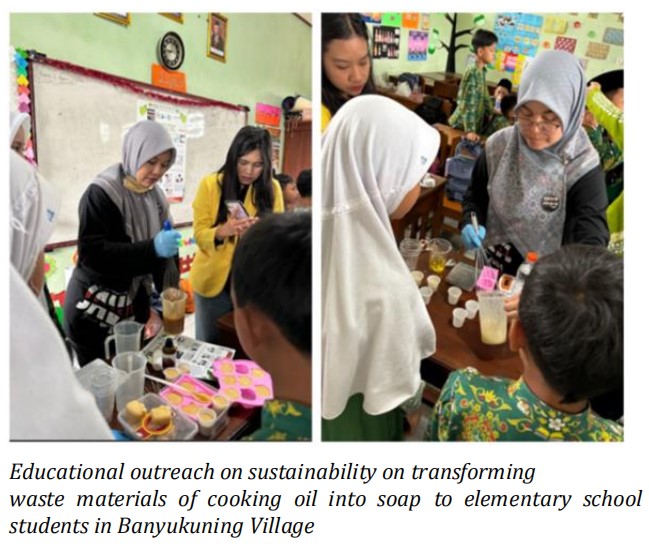
UNNES also integrates cultural and environmental education into its outreach programs. In 2024, 844 students promoted cultural learning in local communities and schools, teaching traditional arts, music, and regional heritage.
Other student groups developed creative, hands-on projects focused on sustainability — for instance, training school students to transform waste materials, such as used cooking oil, into soap.
These initiatives not only enhance environmental awareness but also demonstrate how education can generate practical, sustainable solutions that benefit both people and the planet.
Faculty-Led Workshops and Professional Development
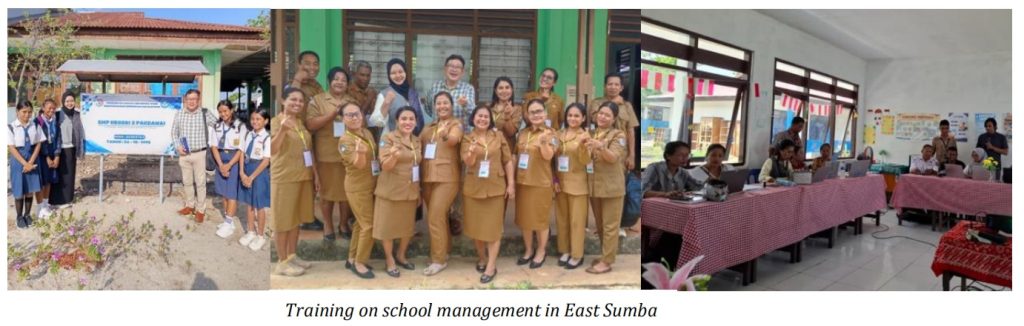
Alongside student efforts, UNNES faculty members play a vital role in leading capacitybuilding workshops for educators and public officials. Faculties organized training on school management for 30 schools in East Sumba, inclusive education for teachers in Pati, and legal literacy programs for government officials in Temanggung. These programs strengthen local governance, improve education quality, and enhance the capacity of public institutions to serve their communities effectively. Faculty engagement ensures that academic expertise is applied directly to real-world challenges, reinforcing UNNES’s role as a national center of educational innovation.
Strengthening Villages and Local Enterprises
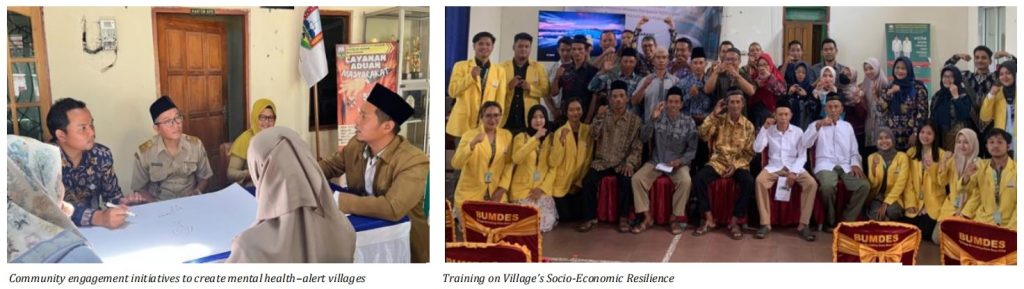
UNNES’s community engagement also includes support for village-owned enterprises (BUMDes) and local economic resilience programs. In 2024, 208 villages in Central Java received training on socio-economic resilience. 31 neighborhood units are involved in the development of mental health–alert villages.
These programs help local leaders build sustainable economies while addressing emerging social issues such as mental health awareness. By connecting education with community needs, UNNES empowers rural areas to achieve self-reliance and fosters innovation at the grassroots level.
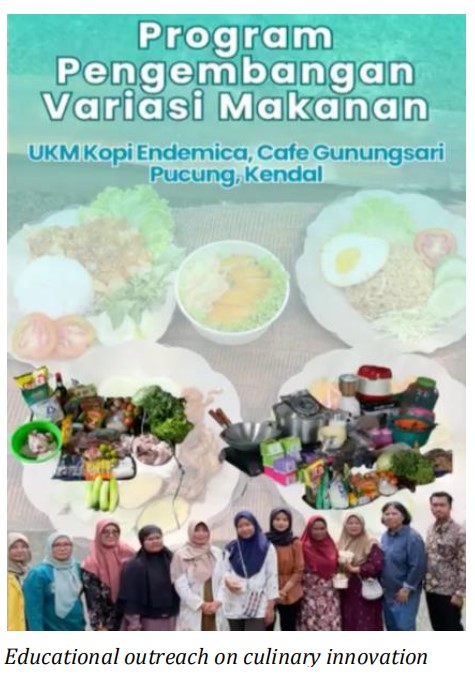
UNNES also strengthen local enterprises in the Kendal Region through educational outreach on culinary innovation through food product diversification to promote the growth and development of the endemic coffee Small and Medium Enterprises (SMEs).
Participatory and Inclusive Approach
UNNES’s outreach model is grounded in participatory, student-led, and community-based approaches that ensure mutual learning and empowerment. The programs are designed not only to deliver knowledge but also to promote collaboration, inclusivity, and problemsolving. Through these initiatives, UNNES brings together faculty expertise, student enthusiasm, and community participation, creating a dynamic educational ecosystem that extends far beyond the classroom. This approach reinforces the university’s vision of education as a catalyst for societal transformation and sustainability.
The impact of UNNES’s community service programs in 2024 can be seen in the breadth and depth of the interventions that directly addressed real community needs. These participatory and context-based activities successfully enhanced local capacities in education, economy, technology, and socio-cultural development. Through village empowerment programs, communities received mentoring in managing local potential, including Micro, Small, and Medium Enterprises development, appropriate technology
adoption, and village governance strengthening. For students, the integration of community service with academic learning provided valuable hands-on experience in applying knowledge in real contexts. Their engagement fostered empathy, leadership, and social responsibility, aligning education with civic values. Collaboration between lecturers, students, and local partners has also strengthened UNNES’s position as an institution responsive to societal challenges and a key contributor to sustainable development at both
local and national levels.
Through its faculty-led and student-run educational outreach and community engagement programs, Universitas Negeri Semarang (UNNES) exemplifies the core principles of SDG 4: Quality Education. By extending learning into schools, villages, and public institutions, UNNES ensures that education remains relevant, inclusive, and transformative. These initiatives empower citizens, strengthen local innovation, and contribute to building resilient, knowledge-driven communities. In doing so, UNNES reaffirms its commitment to being a university that not only educates within its walls but also enlightens and uplifts society beyond them.