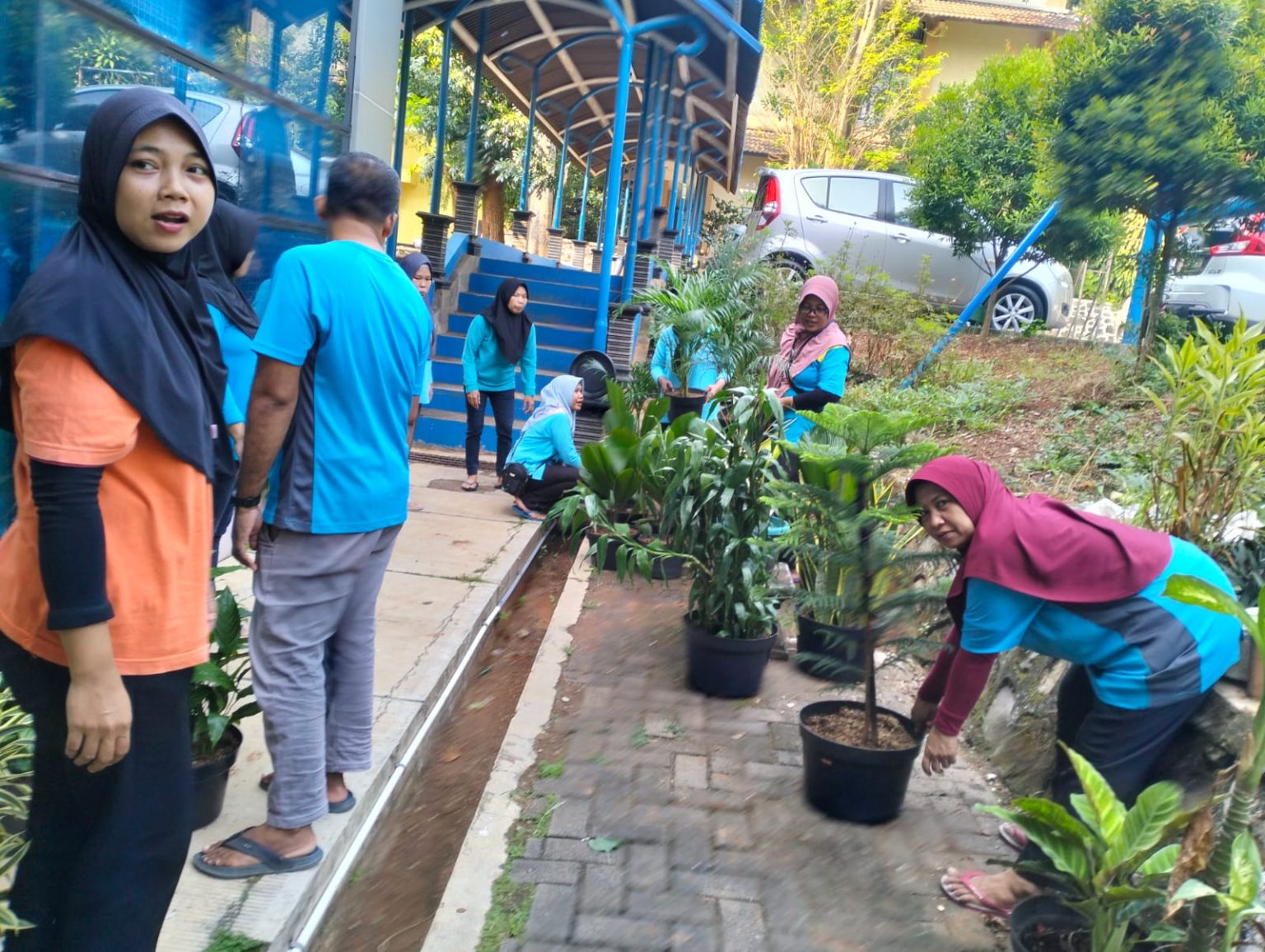
Semarang, October 2024 — Universitas Negeri Semarang (UNNES) continues to demonstrate its commitment to biodiversity conservation and ecosystem protection through the control of invasive alien species. Guided by Rector Regulation No. 113 of 2024, UNNES has established a comprehensive framework to mitigate the impact of species that threaten local ecosystems and biodiversity.
This recent regulation aims to address the rapid spread and damaging effects of non-native species that disrupt the natural balance of ecosystems, particularly within the campus environment and surrounding areas.
Rector Regulation No. 113 of 2024: Controlling Invasive Alien Species
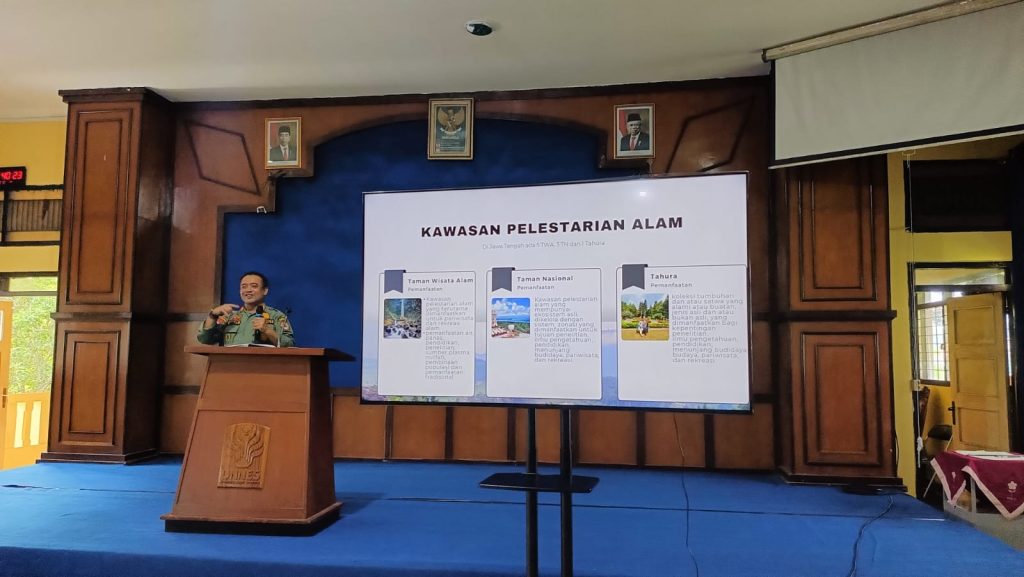
Head of BKSDA Emphasizes the Importance of Collaboration in Natural Resources Conservation
Source: UNNES’ Documentation
UNNES’s commitment to controlling invasive alien species is formalized in Rector Regulation No. 113 of 2024, which establishes clear guidelines for monitoring, controlling, and managing invasive species that threaten the health of local flora and fauna.
This policy reflects the university’s ongoing efforts to ensure that the campus ecosystem remains healthy, supporting native species and preventing the introduction or spread of invasive organisms that could damage biodiversity. The regulation also promotes active involvement from students, staff, and local communities in identifying and removing invasive species as part of UNNES’s sustainability goals.
University’s Role in Ecosystem Conservation and Restoration
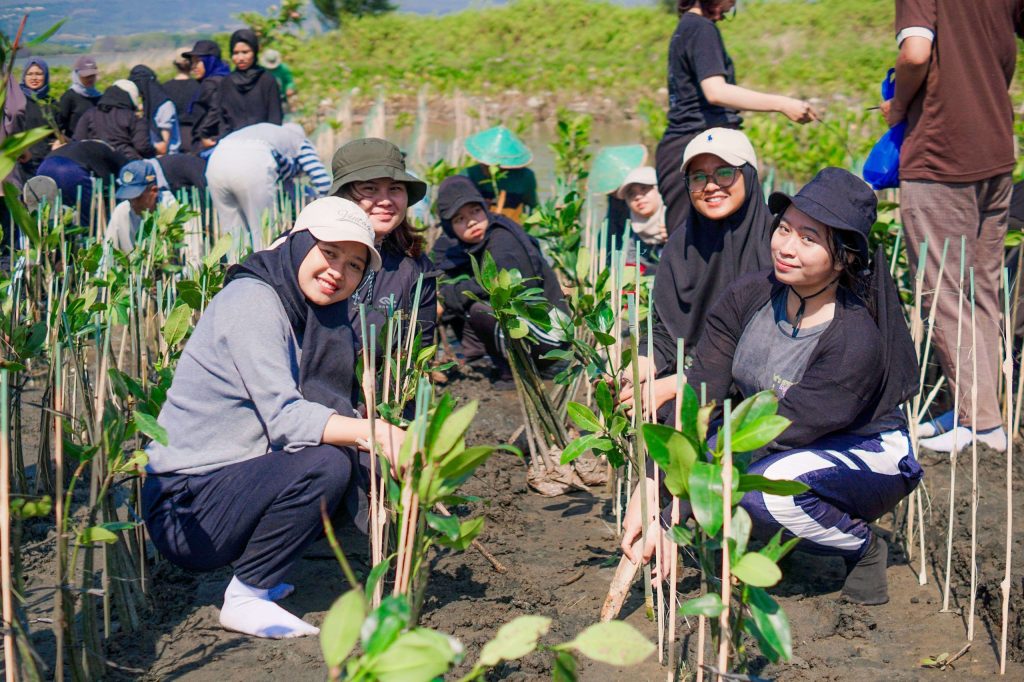
UNNES Students Plant Thousands of Mangroves to Save the Beach
Source: UNNES’ Documentation
UNNES’s environmental policies extend beyond invasive species control to conserve and restore terrestrial and marine ecosystems. The university is committed to integrating sustainable practices into all its operations, ensuring that conservation and restoration efforts are at the core of its campus management.
Through its biodiversity management programs, UNNES contributes to global conservation goals, including SDG 15 (Life on Land) and SDG 14 (Life Below Water), promoting healthy ecosystems that are resilient to human activity and climate change.
Monitoring and Managing Biodiversity on Campus
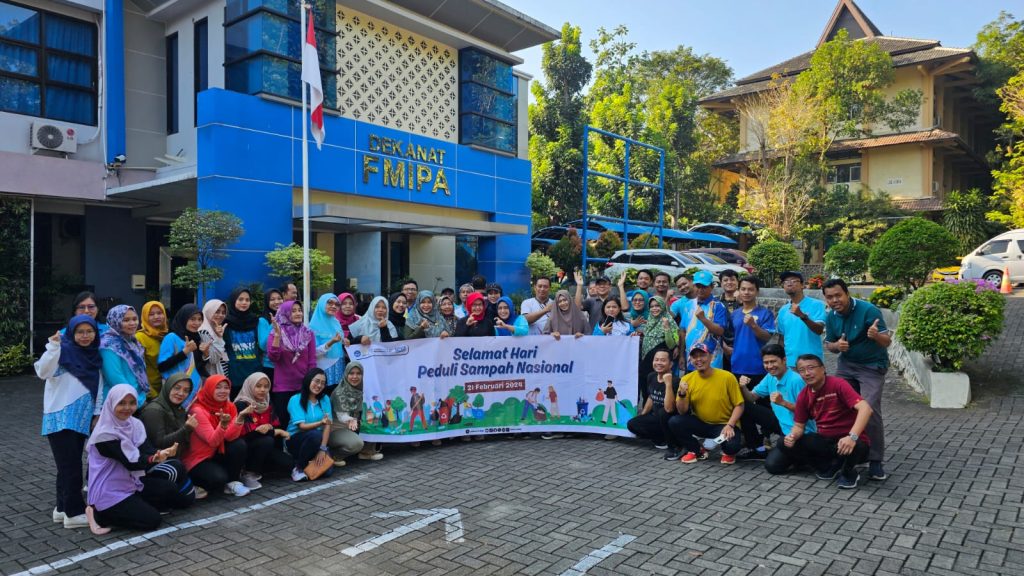
FMIPA UNNES Holds Waste Collection and Socialization Activities
Source: UNNES’ Documentation
As part of its comprehensive conservation efforts, UNNES also conducts routine biodiversity surveys across the campus and surrounding green spaces to assess the health of native ecosystems. These surveys help identify any emerging threats from invasive species and guide effective control strategies.
In collaboration with local environmental agencies, UNNES faculty and students engage in restoration projects that focus on maintaining and rehabilitating local habitats affected by invasive species, ensuring that the campus environment remains a safe haven for native plants and animals.
Commitment to Environmental Sustainability
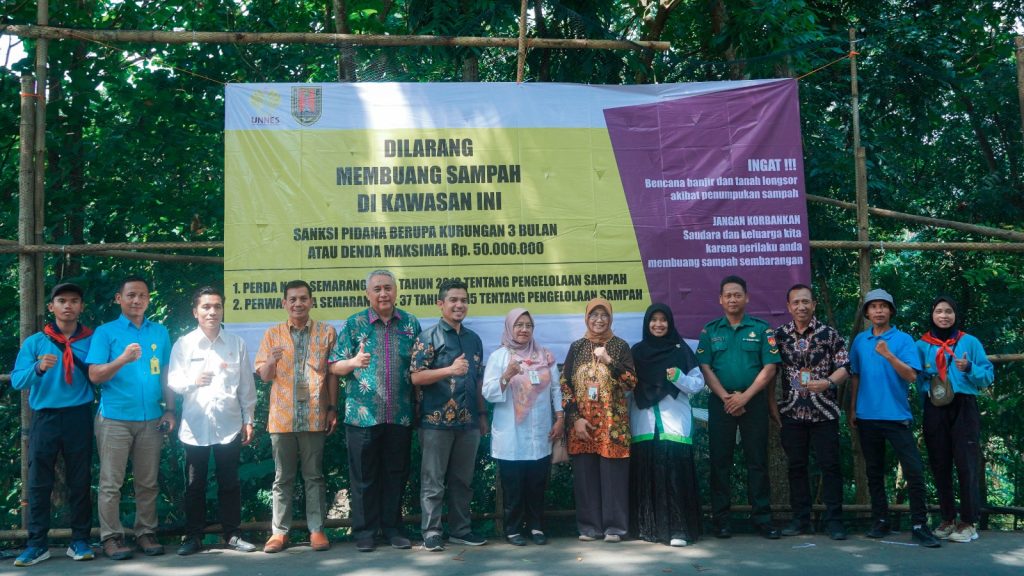
UNNES Collaborates with Sekaran Subdistrict to Raise Public Awareness about Waste Management
Soucer: UNNES’ Documentation
UNNES’s focus on sustainable land and ecosystem management aligns with its broader mission to be a leader in environmental sustainability. Through regulations like Rector Regulation No. 113 of 2024, the university strengthens its role in ecological preservation while empowering students and the community to actively contribute to environmental protection.
“By protecting native species and managing invasive species, UNNES is not just preserving our local environment, we are ensuring a sustainable and biodiverse future for generations to come,” said the Rector of UNNES.