Universitas Negeri Semarang (UNNES) has partnered with Suara Merdeka to strengthen its environmental commitment through a campaign promoting a plastic-free lifestyle. This collaboration is part of UNNES’s long-term effort to integrate sustainability into education and daily campus activities, aligning with several Sustainable Development Goals (SDGs)—particularly SDG 12 (Responsible Consumption and Production), SDG 14 (Life Below Water), SDG 15 (Life on Land), and SDG 4 (Quality Education).
Raising Awareness Through Community Engagement
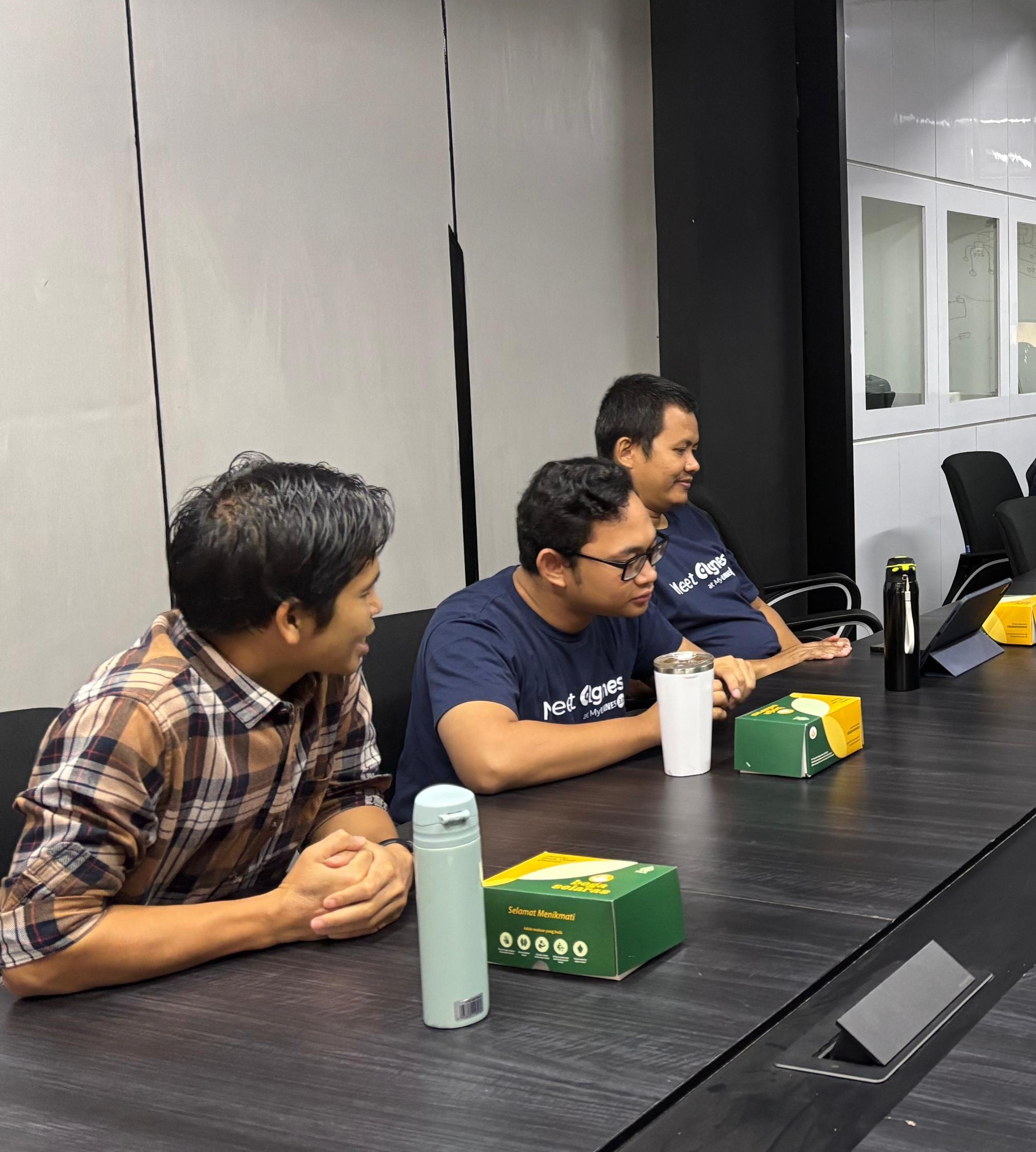
The campaign was launched through a public discussion event titled “Ngopi Bareng” (Coffee Chat) held at the Smart Library Building of the Rumah Ilmu campus. The session featured experts such as Prof. Dr. Ir. Amin Retnoningsih, M.Si., Head of the UNNES Conservation Unit, and Asep Purwo Yudi Utomo, M.Pd., who spoke about the environmental and health dangers posed by single-use plastics.
Prof. Amin highlighted that UNNES began promoting reusable materials well before 2019.
“We replaced single-use plastic bottles with personal tumblers and provided water dispensers at every university event. Plastic banners were also eliminated and replaced with digital screens,” she explained.
She emphasized that while plastic is cheap and easily accessible, its overuse leads to waste accumulation that harms both ecosystems and human health. She further warned that microplastics polluting rivers can enter aquatic food chains, ultimately threatening human well-being.
Promoting Sustainability Through Education
Eko Handoyo, Head of the Smart Library, explained that the new library serves not only as a reading facility but also as a multifunctional academic space for student discussions, expert meetings, and teleconferencing. This initiative illustrates UNNES’s commitment to SDG 4 (Quality Education) by creating a learning environment that fosters awareness and responsibility toward sustainability.
Health and Environmental Collaboration
The three-day event, held from October 2 to 4, 2019, was organized in collaboration with William Booth Hospital, which provided free health screenings such as blood pressure and blood sugar checks for participants. This partnership highlights UNNES’s holistic approach—linking human health and environmental care as essential components of sustainable development.
Supporting the SDGs
This initiative directly contributes to several United Nations Sustainable Development Goals (SDGs):
- SDG 12 – Responsible Consumption and Production: by reducing single-use plastics and promoting eco-friendly habits.
- SDG 14 – Life Below Water: by preventing plastic waste from entering waterways and harming marine life.
- SDG 15 – Life on Land: by minimizing land pollution and supporting terrestrial ecosystems.
- SDG 4 – Quality Education: by integrating environmental awareness and conservation practices into university learning and community engagement.
Through these actions, UNNES reaffirms its role as a conservation university dedicated to fostering sustainable lifestyles and environmental responsibility.