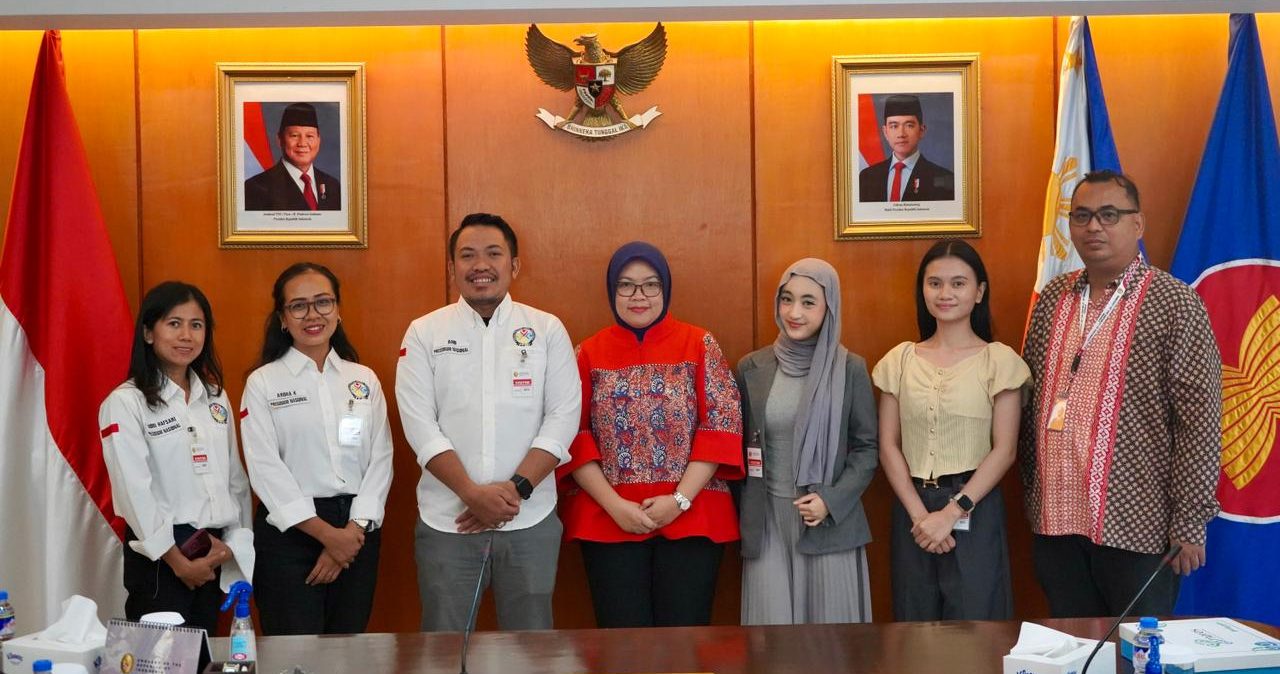
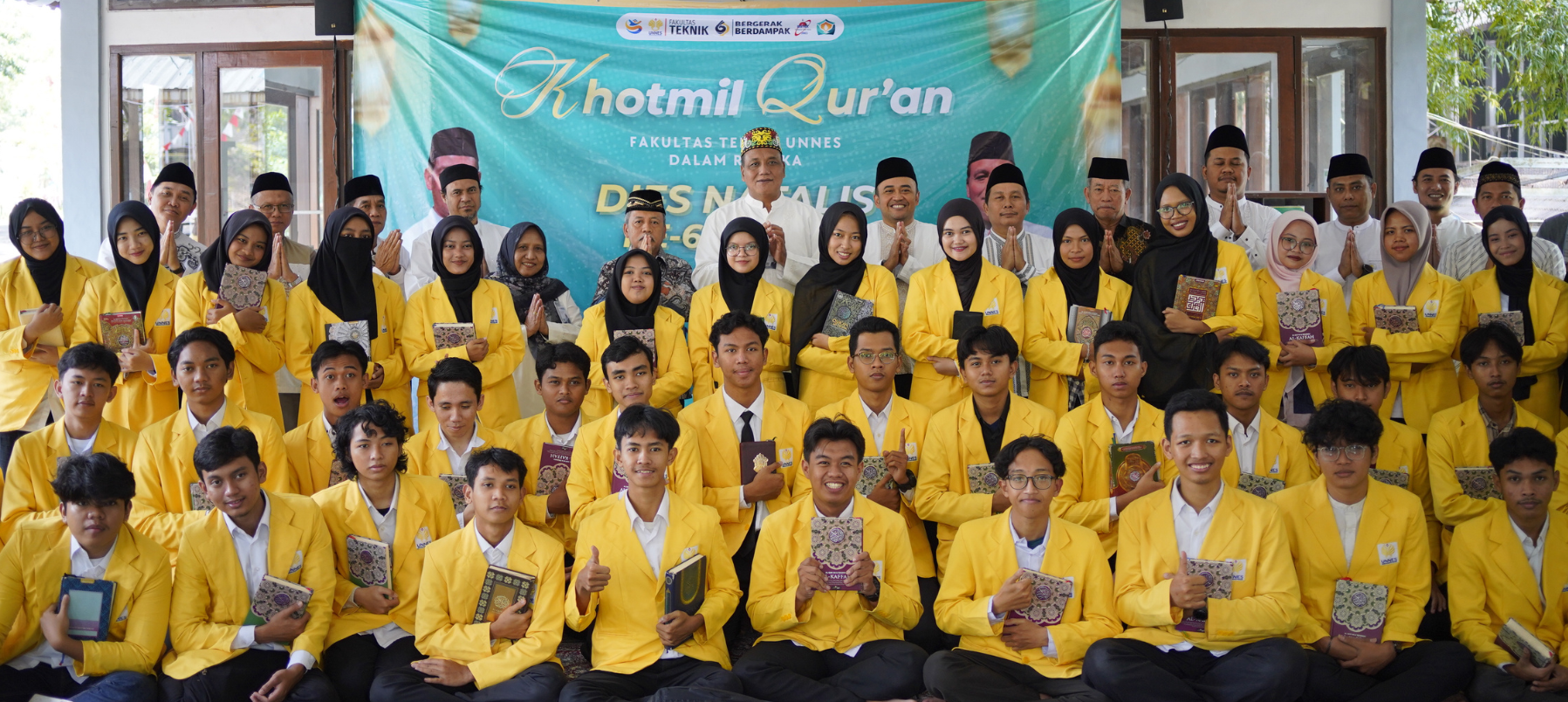
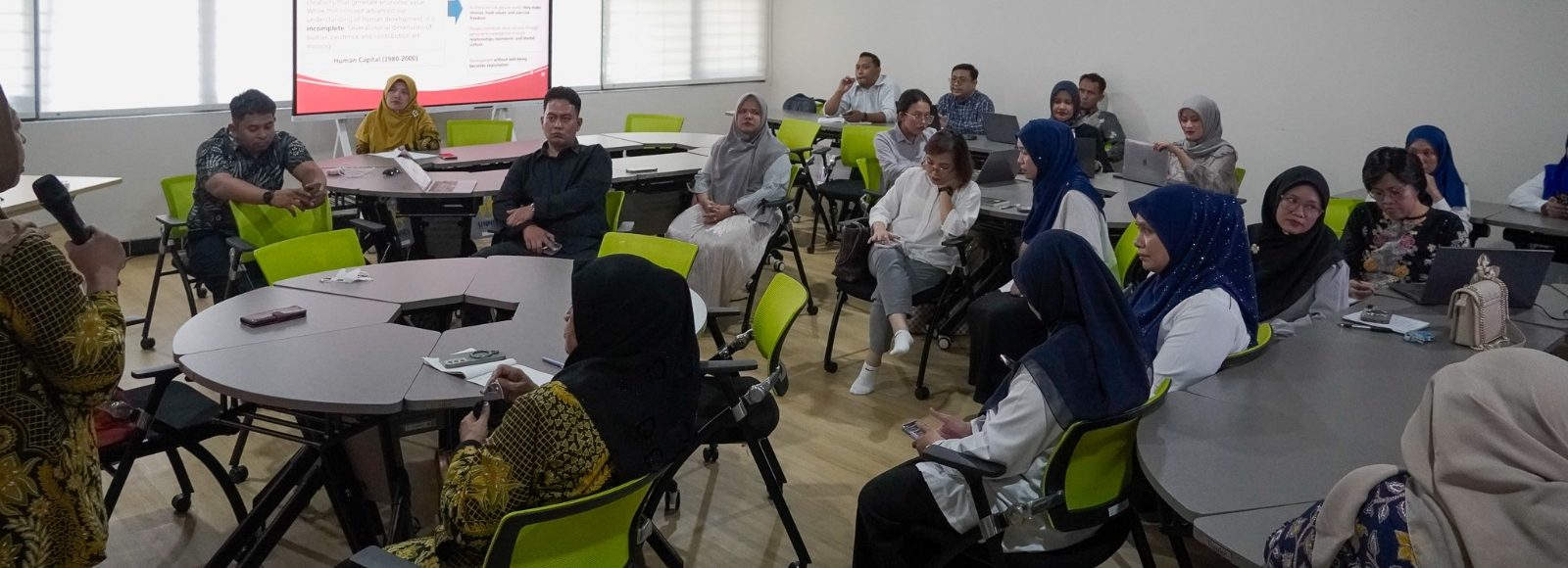
Universitas Negeri Semarang (UNNES) continues its commitment to advancing the Sustainable Development Goals (SDGs) through active partnerships with non-governmental organizations (NGOs), local communities, and government bodies. These collaborations strengthen gender equality, environmental sustainability, and community empowerment, creating real-world impact that bridges academic research and local action.
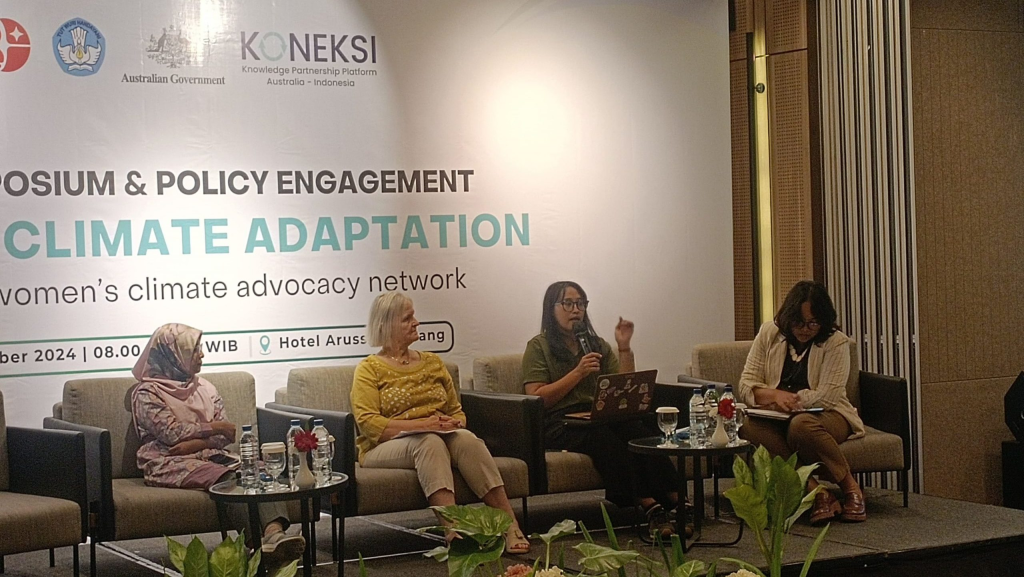
Inclusive Climate Adaptation and Women’s Empowerment with Solidaritas Perempuan Kinasih
In September 2024, UNNES’s Pusat Kajian Literasi UNNES organized a public symposium titled “Adaptasi Jejaring Iklim yang Inklusif: Peran Jejaring Advokasi Iklim Perempuan”, in collaboration with Solidaritas Perempuan Kinasih, an NGO based in Kulon Progo. The symposium focused on the pivotal role of women in climate change adaptation, with a particular emphasis on integrating local knowledge and sustainable practices in agriculture.
Representatives from the Karisma women farmers group shared their successful use of local seeds, organic fertilizers, and traditional agricultural calendars (Pranata Mangsa) to improve farming resilience.
The collaboration highlights SDG 5 (Gender Equality) and SDG 13 (Climate Action), with evidence-based recommendations for inclusive climate-policy frameworks that empower women farmers through community-led solutions.
Community-Based Sustainable Agriculture with Rejosari Village and Local Government
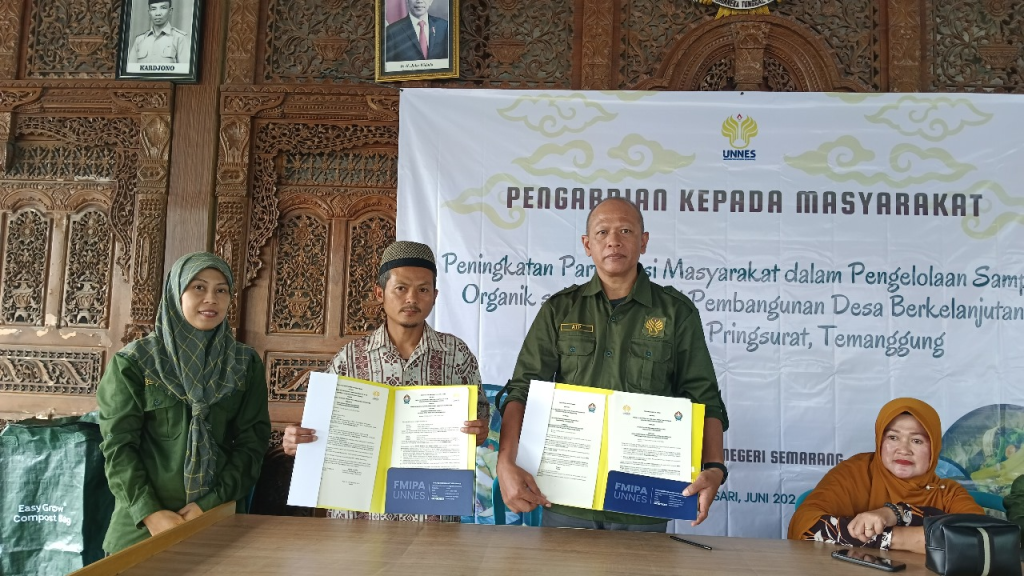
In June 2024, UNNES Faculty of Mathematics and Natural Sciences (FMIPA) partnered with the Rejosari Village government in Pringsurat District, Temanggung, to enhance sustainable agricultural practices among local residents. This collaboration promotes SDG 2 (Zero Hunger) and SDG 12 (Responsible Consumption and Production).
The UNNES team provided training to 40 villagers on how to manage organic waste, create compost and eco‑enzymes, and integrate these into their agricultural practices, supporting sustainable food systems.
UNNES students and faculty worked hand-in-hand with local government and community leaders to increase local food security while reducing the environmental impact of farming methods.
Health and Humanitarian Action with PMI Semarang
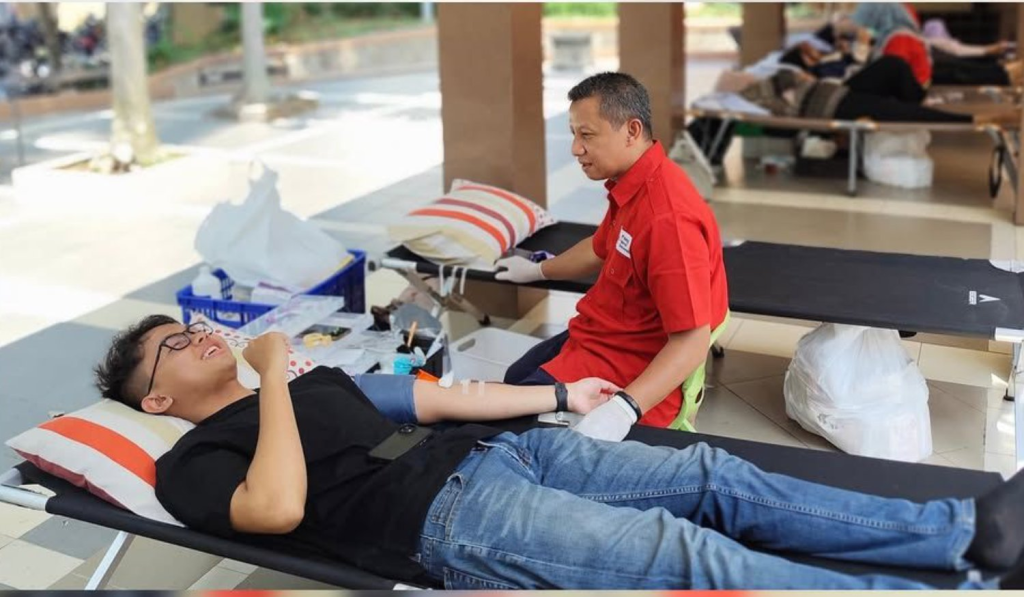
UNNES has worked in close collaboration with Palang Merah Indonesia (PMI) to support SDG 3 (Good Health and Well-being) through health outreach and humanitarian services.
KSR PMI‑UNNES coordinates blood donation drives and health education campaigns, regularly engaging students, faculty, and staff.
In partnership with PMI, UNNES runs training programs for volunteers and supports disaster response initiatives, emphasizing community health and emergency preparedness in Semarang and surrounding regions.
Women’s Empowerment through Mentorship and Scholarships
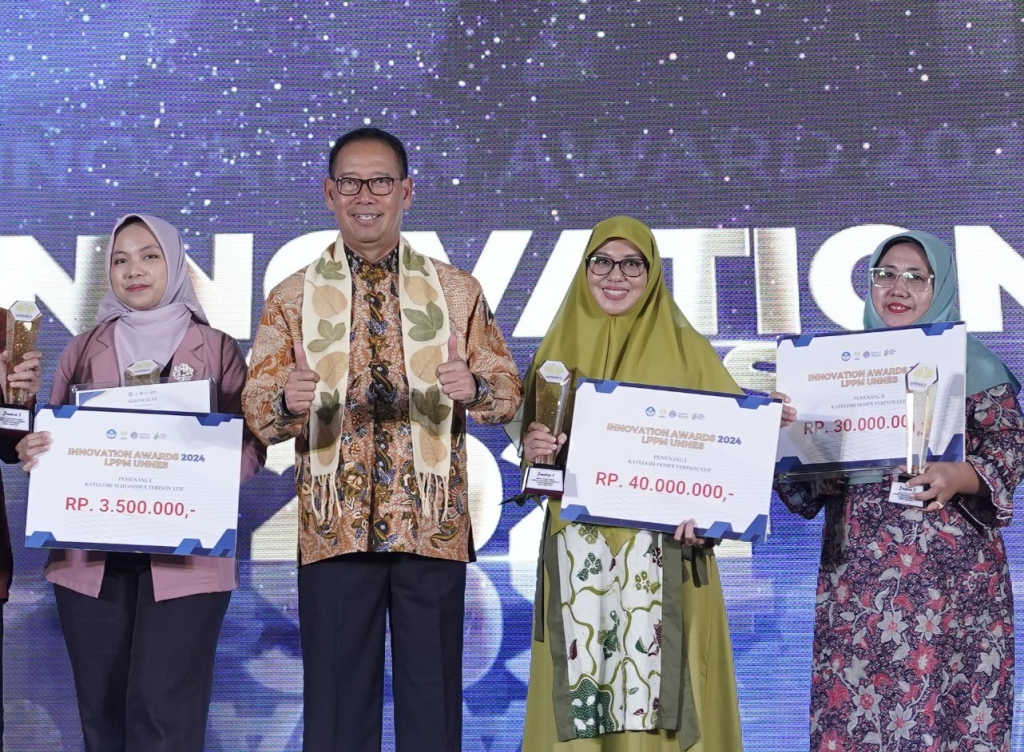
UNNES supports women’s empowerment through scholarships, leadership workshops, and mentorship programs in collaboration with various women’s NGOs and industry partners.
The university’s mentorship programs connect female students with leaders in various sectors, fostering their leadership potential and career growth.
Initiatives like the Thiess Women & Diversity Scholarship aim to break barriers to higher education for young women, ensuring they have equal opportunities to succeed in male-dominated fields.
Plastic Waste Reduction with Greenpeace Indonesia
UNNES has partnered with Greenpeace Indonesia to reduce plastic waste and promote sustainable consumption on campus, aligning with SDG 12 (Responsible Consumption and Production).
UNNES launched a campus-wide initiative to minimize the use of single-use plastics by promoting reusable alternatives like tote bags and water bottles.
Through this collaboration, students and staff are educated on the environmental impact of plastics, and recycling systems are integrated into campus infrastructure.
Green Energy Solutions with Yayasan Lestari
In partnership with Yayasan Lestari, an NGO focused on renewable energy, UNNES is promoting green energy solutions in rural areas.
UNNES’s role in this collaboration includes providing technical support and research on the feasibility of solar energy and biogas as sustainable alternatives for local communities.
Yayasan Lestari facilitates on‑the‑ground implementation, installing solar panels and training local communities on their maintenance.