Universitas Negeri Semarang (UNNES) actively collaborates with non-governmental organizations (NGOs), private institutions, and local communities to strengthen climate adaptation and environmental sustainability efforts. This commitment is reflected in several large-scale programs that integrate reforestation, coastal rehabilitation, and community-based green economy development.

In partnership with Djarum Foundation, UNNES launched a mass tree-planting program involving 3,500 new students from nine faculties. Together, they planted 3,500 trees—including avocado, mango, rambutan, petai, and durian varieties—across strategic areas in Gunungpati, Semarang. The initiative also included environmental education workshops to raise awareness about sustainability and conservation. This collaboration aims to improve air quality, maintain biodiversity, and promote long-term ecosystem stability.
UNNES also partnered with Djarum Foundation, Sari Roti, and the Central Java Provincial Government in the Mangrove Replant 11 program at Mangunharjo Beach, Semarang. The program, involving 150 students from multiple universities, focused on mangrove planting and maintenance training to prevent coastal erosion and enhance community resilience against rising sea levels. The activity aligns with UNNES’s vision as a Conservation University, emphasizing youth participation in combating climate impacts and protecting coastal ecosystems.

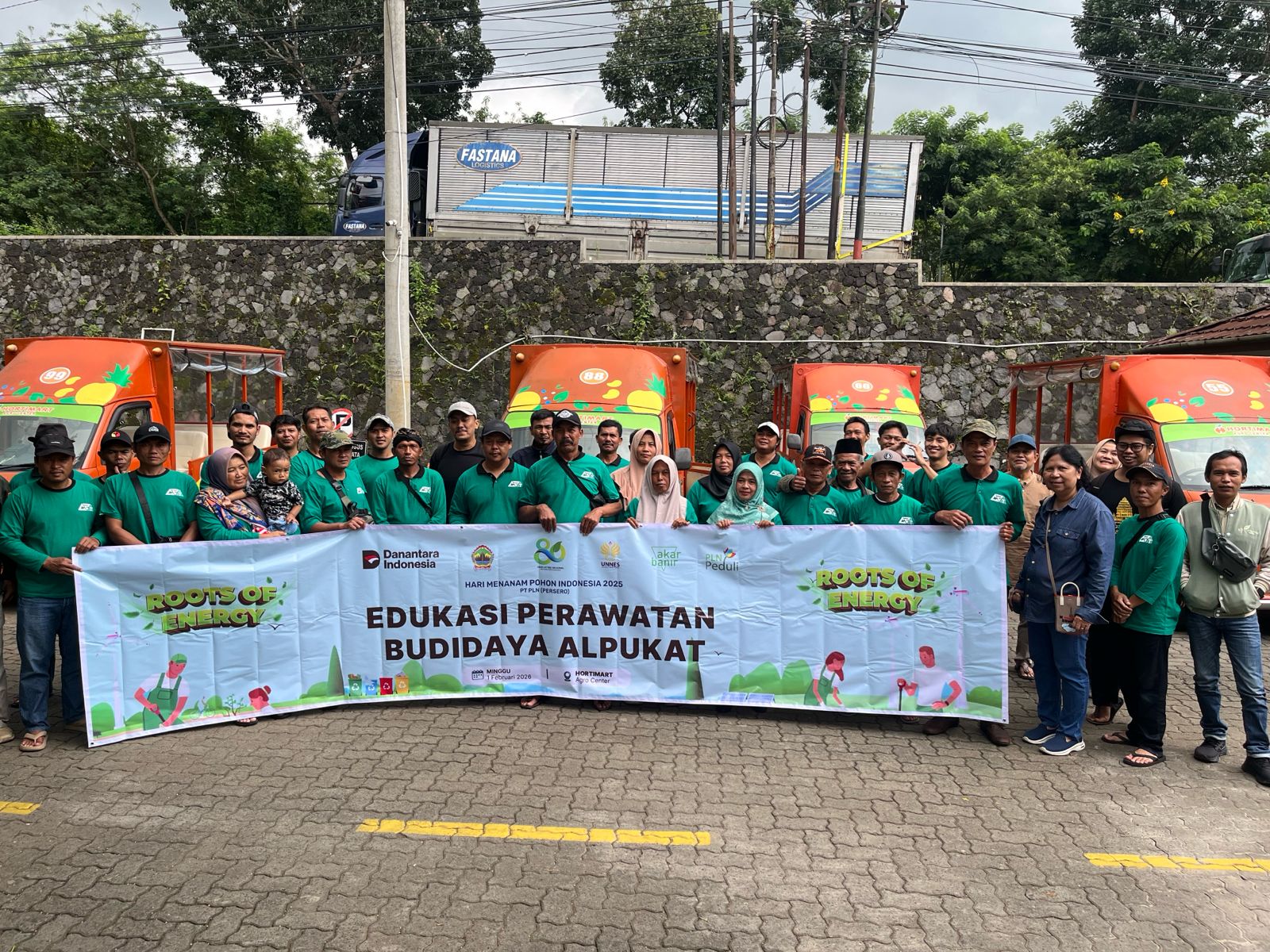
In another climate adaptation initiative, UNNES collaborated with the Akar Banir NGO and the community of Ngesrepbalong Village, Kendal Regency, to develop a green economy-based avocado reforestation program. The project addressed landslide risks by planting deep-rooted trees such as avocados to stabilize soil and retain groundwater. Activities included socialization, training, mentoring, technology application, and the establishment of the “Gunung Berkah” avocado farmer group. Through this program, over 300 avocado seedlings were propagated, and 15 mature trees were top-worked using superior varieties like Diane avocado. The project enhanced farmers’ skills, enthusiasm, and environmental awareness, creating a sustainable agroforestry model that combines climate adaptation and economic empowerment.
These collaborations demonstrate UNNES’s leadership in building synergies between academia, government, and NGOs to implement nature-based climate adaptation solutions. By promoting reforestation, sustainable agriculture, and coastal rehabilitation, UNNES contributes directly to climate resilience, biodiversity preservation, and local economic sustainability, reinforcing its mission as a Conservation University and advancing the goals of SDG 13 (Climate Action) and SDG 15 (Life on Land).