


In 2024, Universitas Negeri Semarang (UNNES) reaffirmed its commitment to advancing energy efficiency and clean energy innovation through applied research and direct collaboration with local industries. As part of its role as a Conservation University and supporter of Sustainable Development Goal 7 (Affordable and Clean Energy), UNNES actively engages small and medium enterprises (UMKM) in Semarang to develop practical, technology-based solutions that enhance production efficiency and reduce environmental impact.
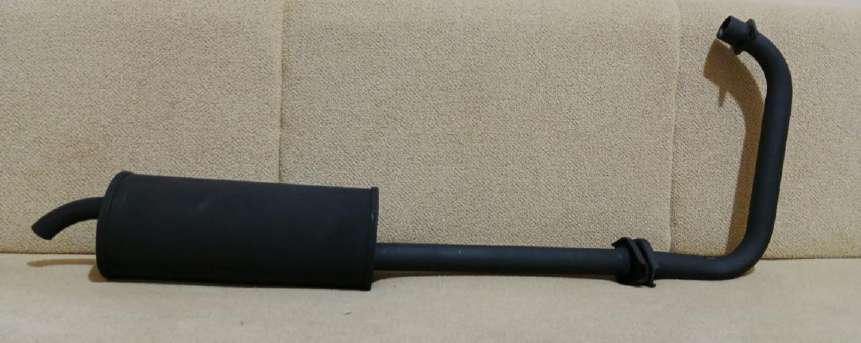
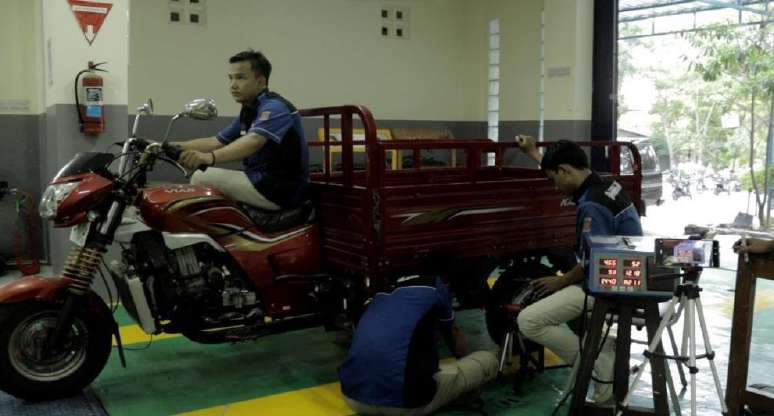
One of the key projects is titled “Penerapan Teknologi dB and Emission Reducer Berbahan Karbon Aktif pada IKM Komponen Otomotif untuk Mendukung Peningkatan TKDN Industri Otomotif”. This research focuses on the application of active-carbon-based dB and emission reducer technology to help local automotive component industries minimize exhaust emissions and optimize combustion efficiency. By integrating eco-friendly materials and energy-saving mechanisms into the production process, this project supports cleaner industrial practices and contributes to the government’s effort to enhance the Domestic Component Level (TKDN) in the national automotive sector.
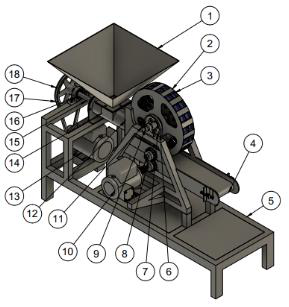
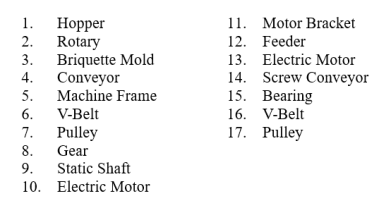
A second initiative, “Pengembangan Mesin Pencetak Briket Tempurung Kelapa Sistem Rotary”, involves the development of a rotary-type coconut shell briquette machine designed to support small-scale renewable energy production. Conducted jointly with local UMKM partners, this project enables the efficient conversion of agricultural waste into high-quality biomass briquettes that can replace fossil fuels in household and small industry applications. The machine’s rotary system increases production capacity, ensures uniform briquette density, and reduces energy consumption during operation, providing both economic and environmental benefits to local producers.
Through these collaborations, UNNES provides direct services to local industries in the form of technology development, energy efficiency assessment, and clean energy research. The university’s research teams work closely with UMKM partners in Semarang to test, adapt, and scale these innovations, ensuring that the technologies are practical and impactful for real industrial conditions.
These initiatives illustrate UNNES’s proactive role in driving sustainable industrial transformation at the local level, while also supporting Indonesia’s national agenda for renewable energy adoption and energy-efficient manufacturing systems.