Semarang, October 2024 — Universitas Negeri Semarang (UNNES) continues to lead efforts in promoting sustainable development by collaborating with local communities to protect shared land ecosystems and enhance environmental stewardship. Through strategic partnerships and outreach programs, UNNES is dedicated to empowering communities and promoting the sustainable management of natural resources.
Community Service and Ecosystem Management Partnerships

Handover of facilities and infrastructure to support environmental education and cultural activities at Al-Fattah Islamic High School (PBLHS)
Source: UNNES’ Documentation
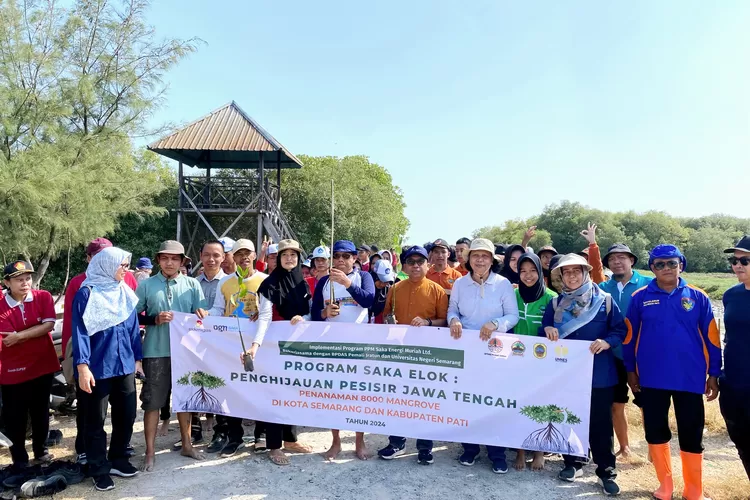
UNNES’s extensive community service programs bring together stakeholders from Desa Kandri, Desa Cepoko, Desa Ngesrepbalong, Desa Kalongan, and Desa Muncar to engage in ecosystem preservation and sustainable land management. These community-driven initiatives focus on maintaining and restoring shared ecosystems, ensuring the health of the environment while also promoting socioeconomic development for surrounding areas.
The university collaborates with several key corporate partners, including PT Phapros, PGN Saka, PT KIW, and Pertamina, to effectively manage these programs. This collaboration facilitates funding, expertise, and resources, allowing UNNES to drive sustainable projects that benefit local communities and promote eco-friendly practices.
Empowering Communities through Training and Capacity Building

UNNES Students Empower Keseneng Village Residents Through Liquid Organic Fertilizer Training
Source: UNNES’ Documentation
UNNES provides training and capacity-building programs to local farmers, community leaders, and environmental stewards. These initiatives focus on sustainable land management techniques, agroforestry, and eco-friendly agricultural practices. The goal is to empower local communities to manage their resources sustainably, thereby improving both their livelihoods and ecosystem health.
This community engagement approach reflects UNNES’s broader commitment to the Sustainable Development Goals (SDGs), particularly SDG 15 (Life on Land), which aims to protect, restore, and promote the sustainable use of terrestrial ecosystems.
Sustainable Development and Ecosystem Health
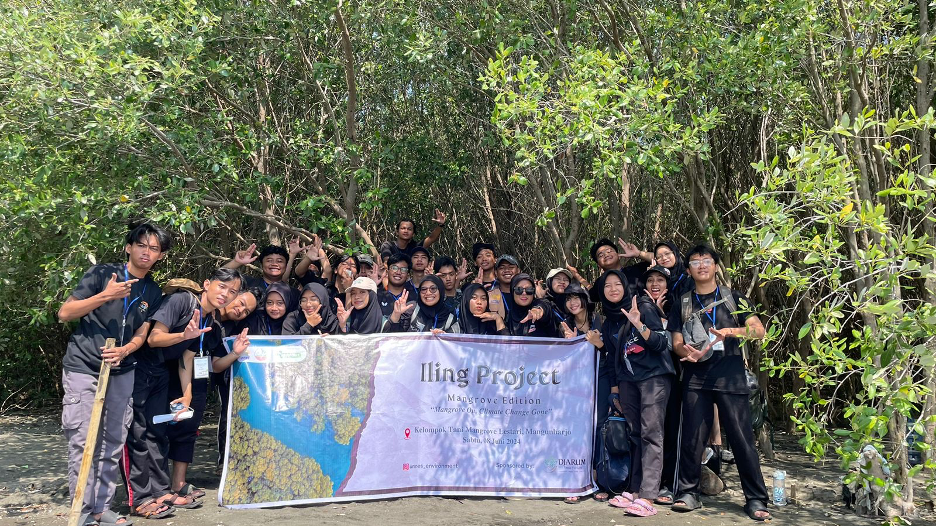
Students from the Environmental Science Study Program at UNNES Planted 1,500 Mangrove Trees
Source: UNNES’ Documentation
UNNES’s partnerships with local communities not only focus on economic empowerment but also prioritize the health of shared ecosystems. Through collaborative efforts, the university plays a significant role in restoring degraded lands, preventing soil erosion, and promoting biodiversity. These efforts are essential for enhancing the long-term sustainability of the land and supporting the well-being of the people who depend on these ecosystems.
UNNES’s Contribution to National and Global Sustainability Goals
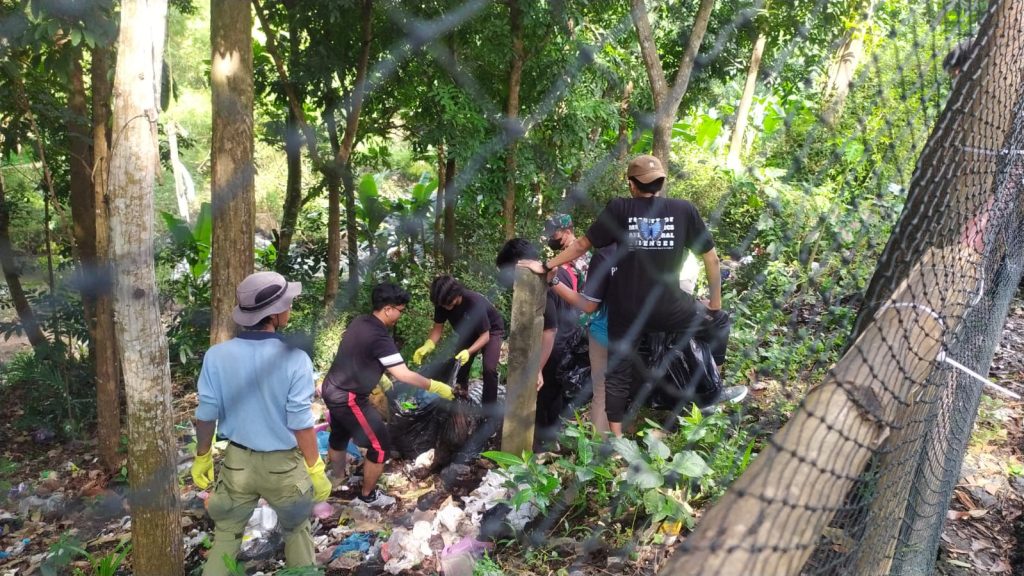
UNNES Conservation Sub-Directorate Performs Environmental Service Around Campus
Source: UNNES’ Documentation
By empowering local communities and preserving ecosystems, UNNES contributes to national sustainability goals while aligning with global efforts to promote environmental sustainability. Through partnerships and active engagement with local stakeholders, the university plays a crucial role in striking a balance between ecosystem preservation and economic development, ensuring that both people and nature can thrive.
“Sustainable development is not only about economic growth, but about ensuring that our natural resources are protected for future generations,” said the Rector of UNNES. “Through these collaborative programs, we are creating lasting change in the communities we serve.”