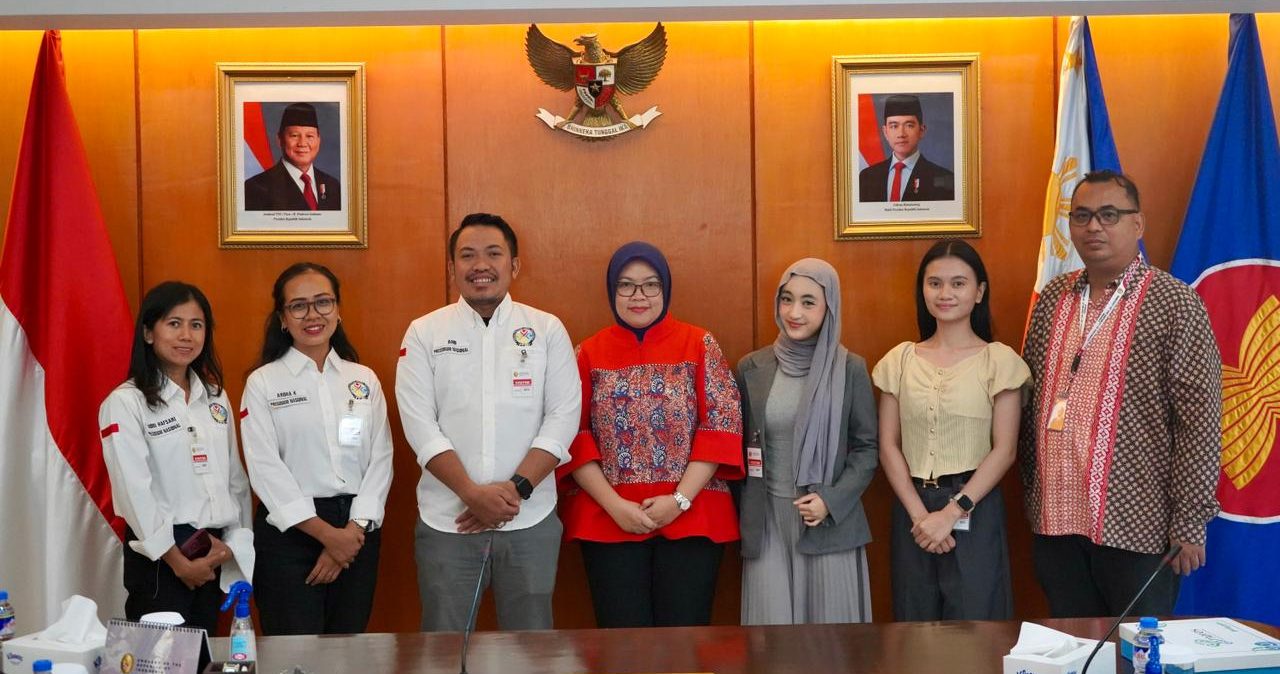
Universitas Negeri Semarang (UNNES), renowned as a Conservation University, is intensifying its efforts to combat overfishing, illegal, unreported, and unregulated (IUU) fishing, and destructive practices through a series of targeted programs that blend education, technology, and community empowerment.
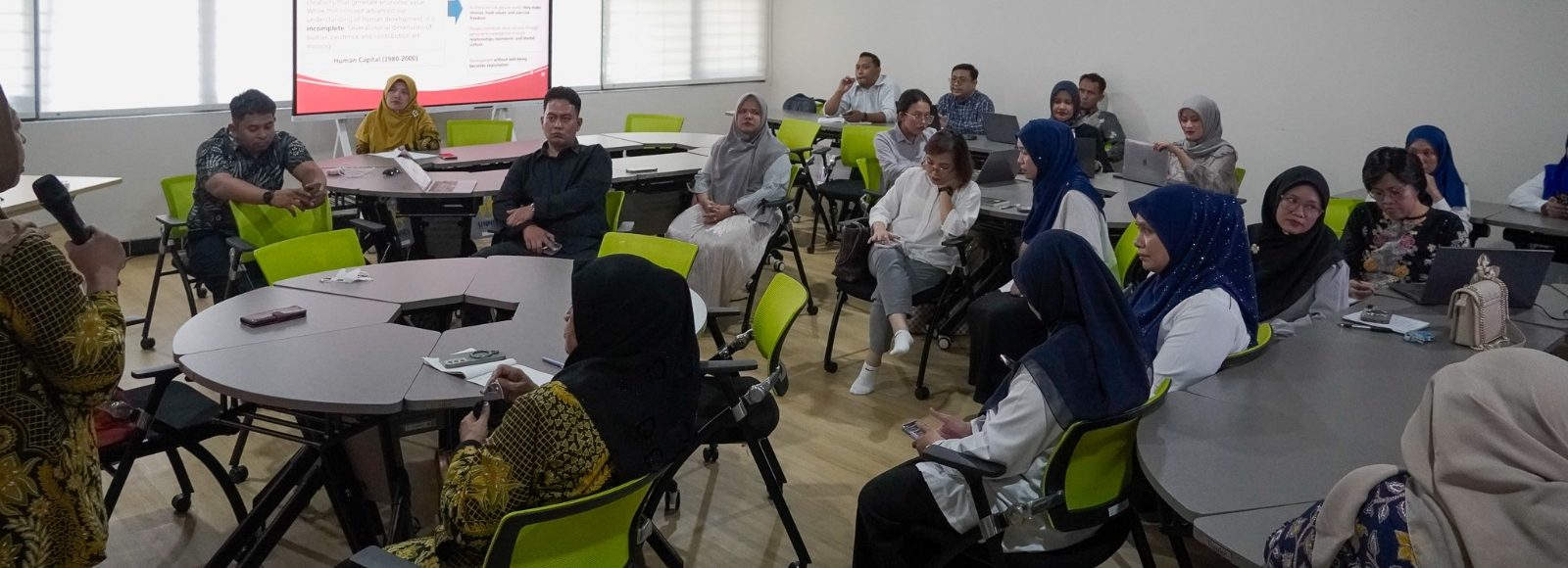
UNNES’s Conservation Subdirectorate leads capacity-building initiatives for fisheries stakeholders, equipping them with knowledge and tools for responsible resource management. In Semarang’s coastal areas (Mangkang, Tugu, and Tapak) fishermen have participated in quota-based fishing training, designed to promote sustainable catch limits and safeguard marine biodiversity. This program, conducted in collaboration with the Central Java Marine and Fisheries Department, highlights UNNES’s role in bridging science and policy for community resilience.
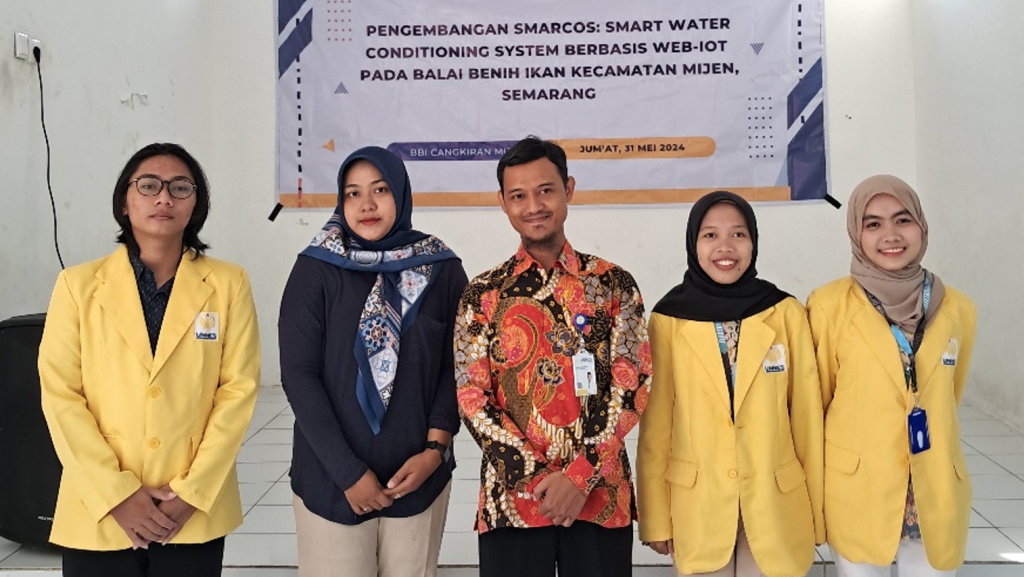
Innovation also plays a key role in UNNES’s approach. The university’s research team developed the SMARCOS Program, a web-based IoT system implemented at the Semarang fish hatchery center. SMARCOS enables real-time monitoring of fish seed health and distribution, ensuring aquaculture practices remain efficient and environmentally responsible.
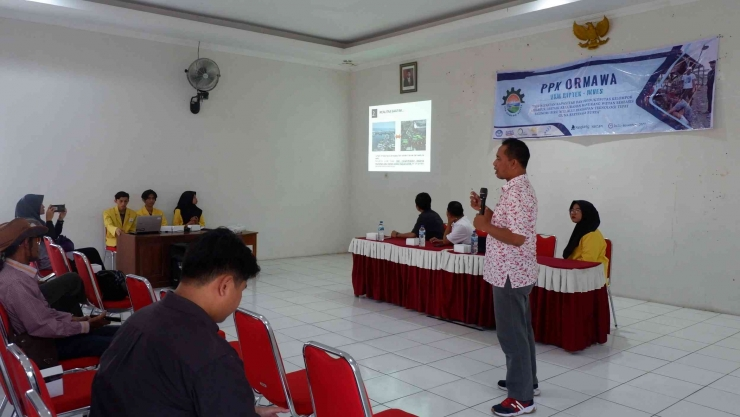
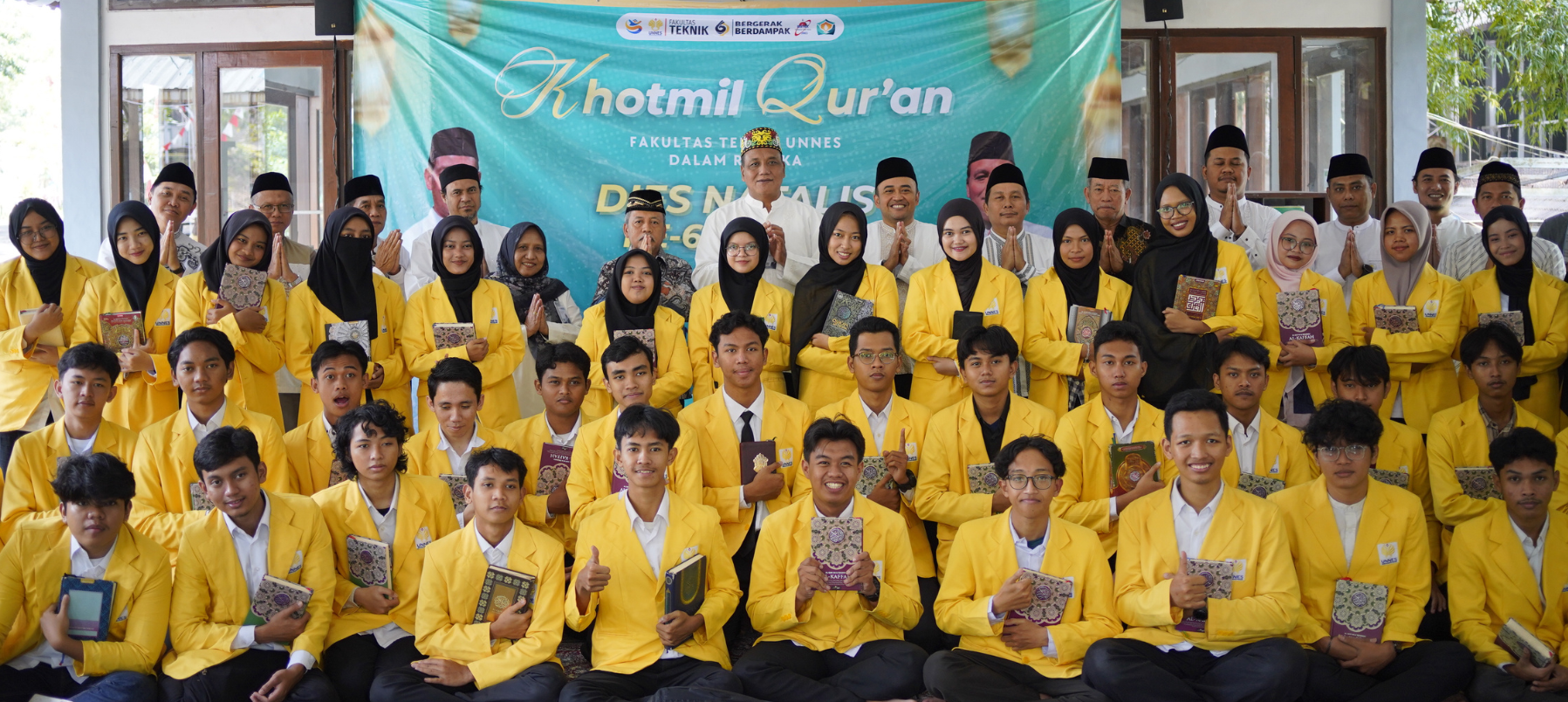
Beyond technical training, UNNES integrates conservation education into its curriculum and outreach, engaging students and communities in awareness campaigns about aquatic ecosystem threats. These programs emphasize the importance of stewardship and collective responsibility in addressing overfishing and sustaining marine resources.
Through these combined efforts, capacity building, quota-based fishing, IoT innovation, and conservation education, UNNES demonstrates its institutional commitment to SDG 14: Life Below Water, ensuring that Indonesia’s fisheries and aquatic ecosystems are managed sustainably for future generations.