Universitas Negeri Semarang (UNNES) continues to uphold its role as a Conservation University by collaborating with central java provincial office and partner banking institutions to support sustainable urban planning and community development around the Sekaran campus area. One of the key focuses of this collaboration is the provision of affordable housing for both university employees and the surrounding community.
UNNES actively works with local authorities and partner banks to ensure that all development plans near the campus prioritize affordability, sustainability, and community well-being. Through this synergy, UNNES plays a significant role in spatial planning, green infrastructure development, and improving access to decent and affordable housing.
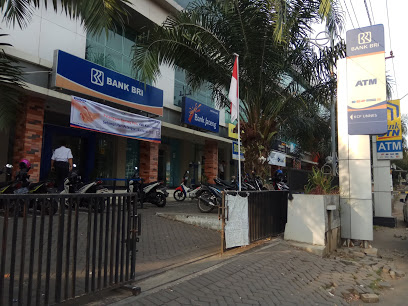
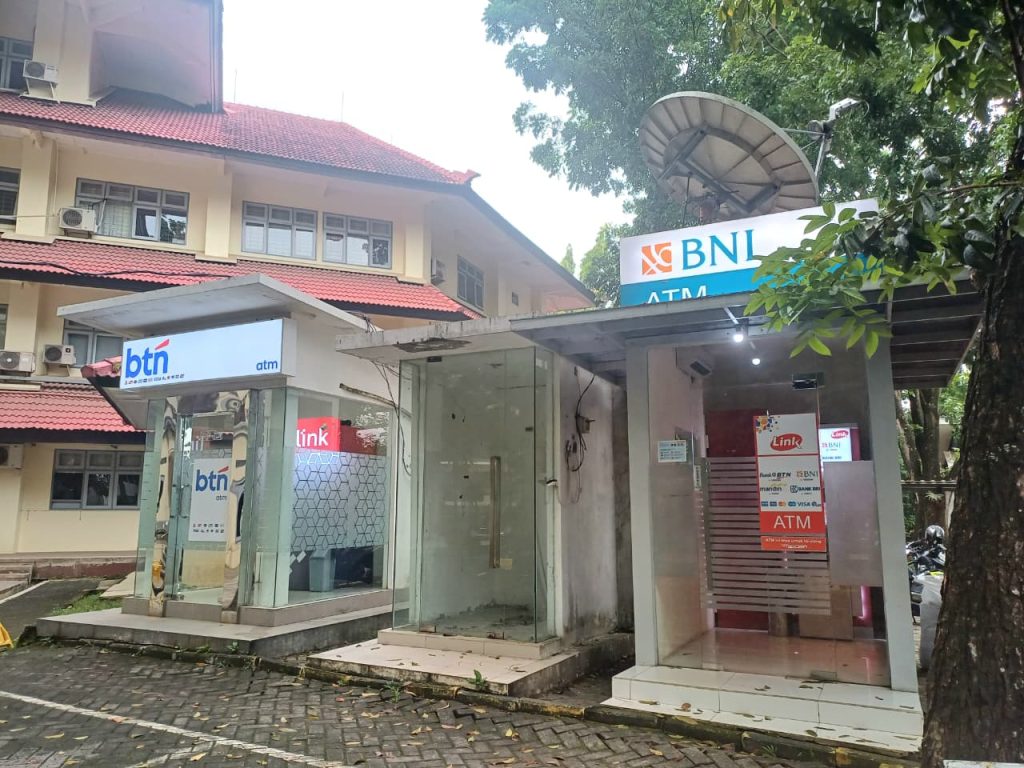
In collaboration with several partner banks, including Bank BNI, Bank BTN, and Bank Jateng, UNNES facilitates housing loan programs with low-interest rates for lecturers, administrative staff, and local residents. These programs are designed to help the university community and nearby residents acquire homes at affordable costs with simplified credit procedures.
Beyond the economic aspect, UNNES is committed to maintaining harmony between area development and environmental preservation. Every development plan around the Sekaran and Bendan campuses is aligned with the Semarang City Spatial Plan (RTRW) to ensure the protection of green open spaces and ecological balance.
“UNNES is committed not only to academic development but also to improving the welfare of surrounding communities. Through collaboration with the government and banking partners, we strive to ensure that development remains affordable and environmentally conscious,” stated a UNNES representative.
This collaborative initiative reaffirms UNNES’s commitment as a Conservation University dedicated to achieving the Sustainable Development Goals (SDGs), particularly Goal 11 (Sustainable Cities and Communities) and Goal 17 (Partnerships for the Goals). With this effort, UNNES continues to serve not only as a center of education but also as a driving force for inclusive and sustainable regional development.