Universitas Negeri Semarang (UNNES) has established a robust, institution-wide plan to reduce overall energy consumption and embed energy efficiency across its campus operations. Central to this strategy is UNNES’s formal commitment to achieve carbon neutrality by 2045, as articulated in the Rector’s Decree No. B/3669/UN37/HK.02/2024. This long-term ambition underpins the university’s multi-pronged energy efficiency roadmap.
At the core of the plan is the adoption of smart and efficient technologies. UNNES installed nearly 80,000 LED lights with approximately 97 % meeting energy-saving standards, along with 9,520 reflectors (94 % compliant) and inverter-equipped cooling systems (currently 61 % efficient) in classrooms and offices. Additionally, the transition to all-in-one PCs in computer labs has led to about 59 % energy savings in those units. These measures have delivered an average campus energy efficiency improvement of around 70 %.
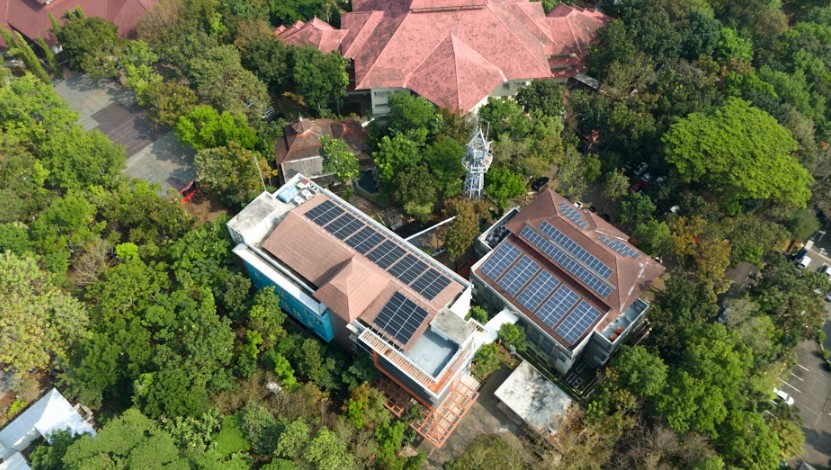
UNNES’s plan also encompasses sustainable investment and infrastructure transformations that target energy consumption and greenhouse-gas emissions across all scopes. The university installed over 1,200 solar panels across 14 major buildings (Rectorate, Library, IT Centre, faculty buildings) integrated with an online energy-monitoring system to reduce dependence on grid electricity and monitor usage in real time. Complementary to this, the university is reducing transportation-based energy demand by introducing electric shuttles, electric golf carts and bicycles, and restricting fossil-fuel vehicle access on campus.
Taken together, these efforts demonstrate that UNNES has an established, institution-level energy efficiency plan, not limited to isolated projects but embedded in policy, infrastructure, investment, and operational practices. The plan addresses both reducing energy consumption and managing demand through smart technologies and renewable integration, ensuring that the university moves steadily toward its energy-efficiency and carbon-neutral objectives in alignment with SDG 7 (Affordable and Clean Energy).