Universitas Negeri Semarang (UNNES) continues to affirm its leadership as a Conservation University by taking an active and structured role in national and regional Sustainable Development Goals (SDG) policymaking. Through research, expert participation, and strategic collaboration, UNNES contributes directly to identifying challenges, developing strategies, and monitoring implementation within Indonesia’s sustainable governance framework.
National Policy Contributions
UNNES plays a significant role in national policy formulation through academic participation and expert consultation.
Prof. Dr. Benny Riyanto, S.H., M.Hum., C.N., from the Faculty of Law, represented the university at the Public Participation Forum on the Draft Criminal Code (RKUHP) organized by the State Intelligence Agency (BIN) and the Ministry of Communication and Informatics (Kominfo) in Makassar, South Sulawesi.
In the forum, Prof. Benny emphasized the urgency of replacing the colonial-era legal framework with a modern, adaptive code that aligns with Indonesia’s digital transformation. UNNES’s involvement extended beyond discussion to policy advocacy and public literacy efforts through the Digital Legal Literacy Forum with Kominfo.
While quantitative modelling of “with-and-without intervention” policies is still developing, UNNES’s active consultation and evidence-based input demonstrate its growing capacity in policy-cycle support and adaptive management.
“The new Criminal Code must be futuristic, adaptive to technological developments, and responsive to our evolving society,” Prof. Benny stated during the forum.
Regional Policy Collaboration
At the regional level, UNNES integrates academic research with local government action, reinforcing its role as a strategic partner for sustainable development in Central Java.
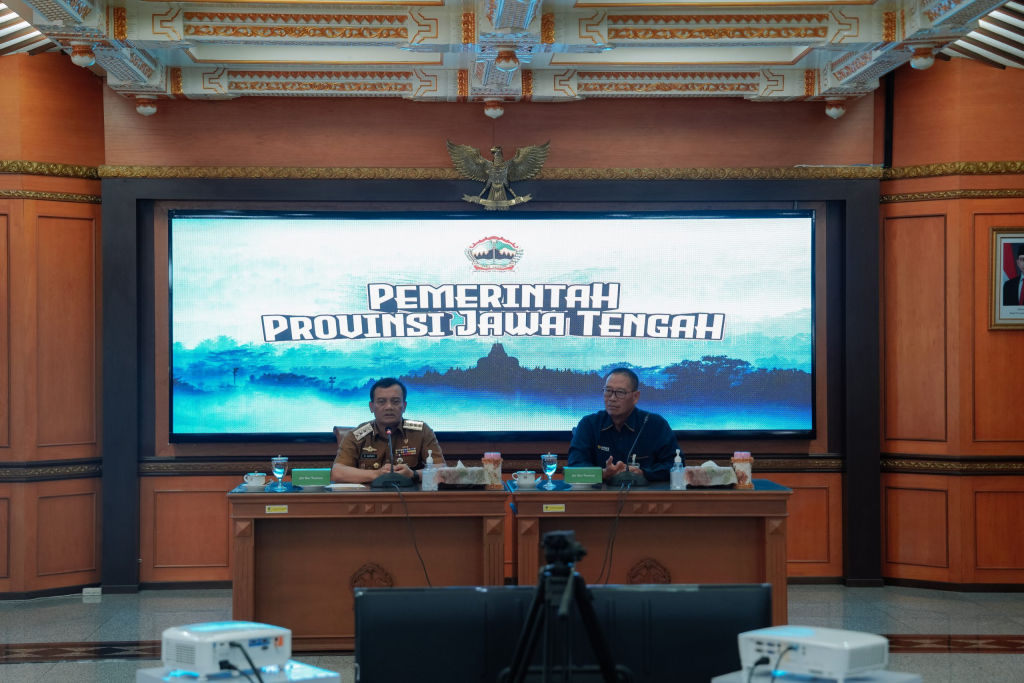
Through its policy research collaborations, UNNES has contributed to:
- Semarang City Government – developing the Food Supply Chain Information System (SI-Pasok Pangan) to enhance food security and transparency.
- Magelang City Government – designing a Regional Science and Technology Master Plan (RIPJ-PID) to strengthen local innovation systems.
- Batang and Kendal Regencies – advancing legal-policy development and community-based legal literacy.
- Semarang City (Gunungpati District) – partnering on water conservation and reservoir (embung) projects initiated in 2019.
These initiatives address pressing regional challenges—from food security and water conservation to governance reform—while positioning UNNES as a key evidence-based advisor for regional policy and planning.
Institutional Mechanisms for SDG Governance
UNNES’s SDGs Center, established by Rector’s Decree No. T/4356/UN37/HK.02/2024, institutionalizes the university’s engagement in the SDG policy cycle. The Center coordinates research, training, and community programs related to SDGs, builds networks with government and civil society, and produces annual monitoring and reporting outputs on UNNES’s sustainability progress.
Through this structure, the SDGs Center ensures that UNNES contributes across the full policy cycle:
- Identifying problems and challenges through research and workshops;
- Developing policies and strategies with evidence-based recommendations;
- Monitoring and reporting through annual sustainability assessments;
- Enabling adaptive management via data-driven refinement of university and partner programs.
- Advancing Indonesia’s Sustainable Future
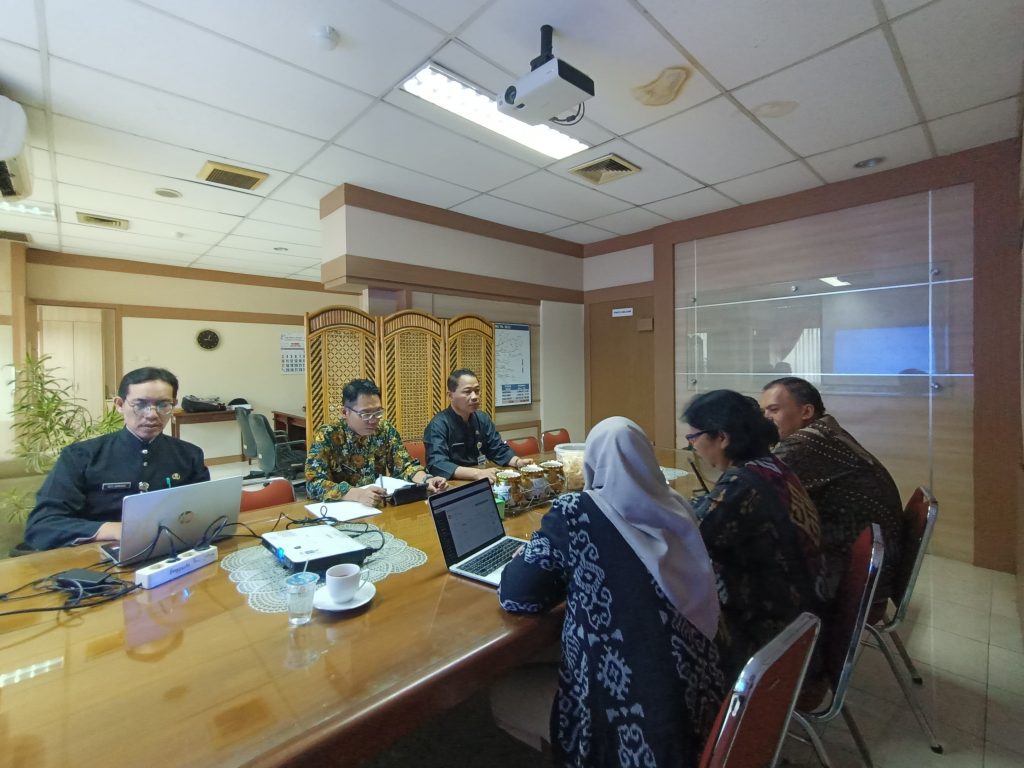
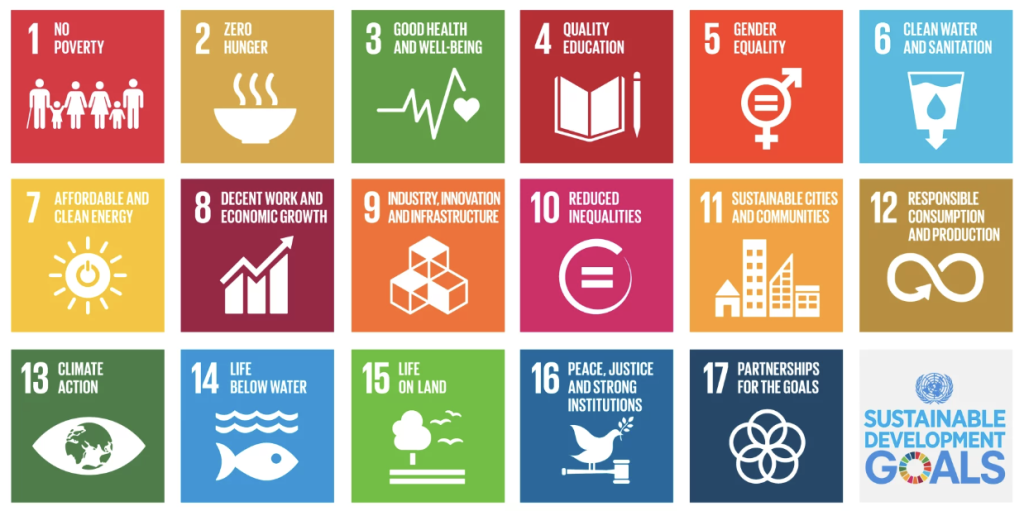
UNNES’s engagement with Bappenas and Bappeda Central Java reflects a growing partnership between academia and government in advancing Indonesia’s SDG roadmap toward Golden Indonesia 2045. By aligning with SDG 16 (Peace, Justice, and Strong Institutions) and SDG 17 (Partnerships for the Goals), UNNES strengthens Indonesia’s capacity to build accountable, inclusive, and knowledge-based governance.
Through these national and regional partnerships, UNNES demonstrates that universities are not merely implementers but co-creators of public policy, driving innovation and sustainable transformation beyond the campus walls.