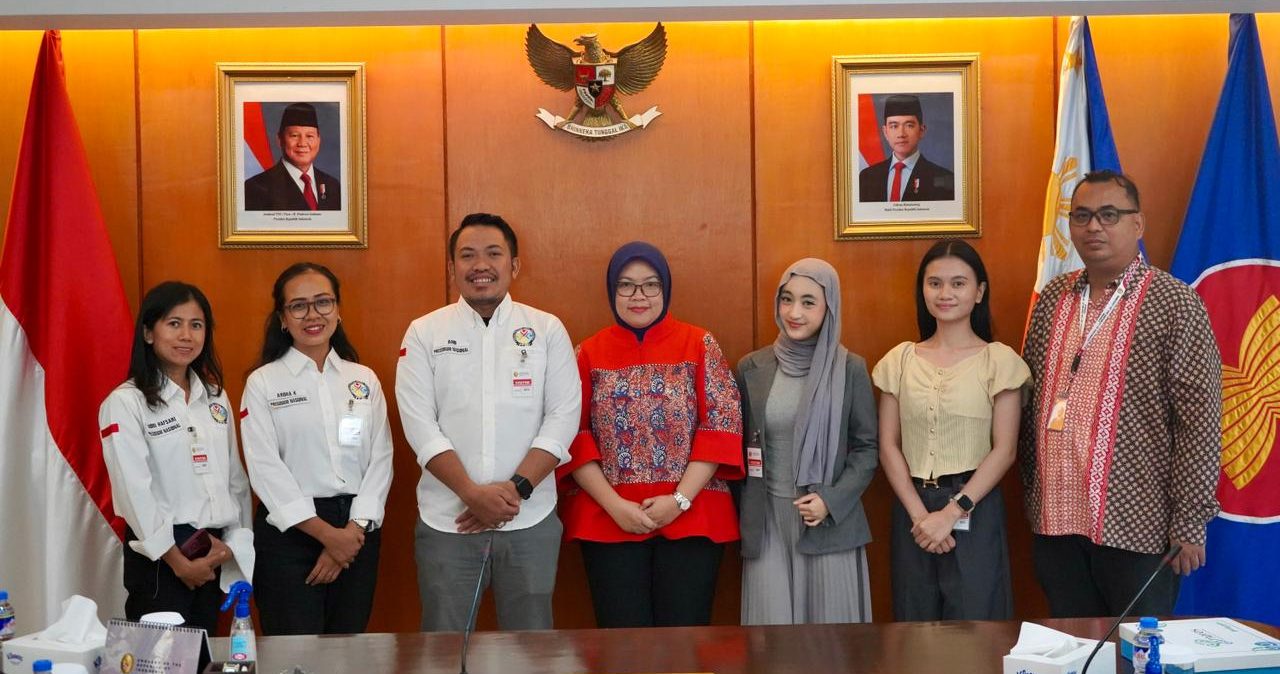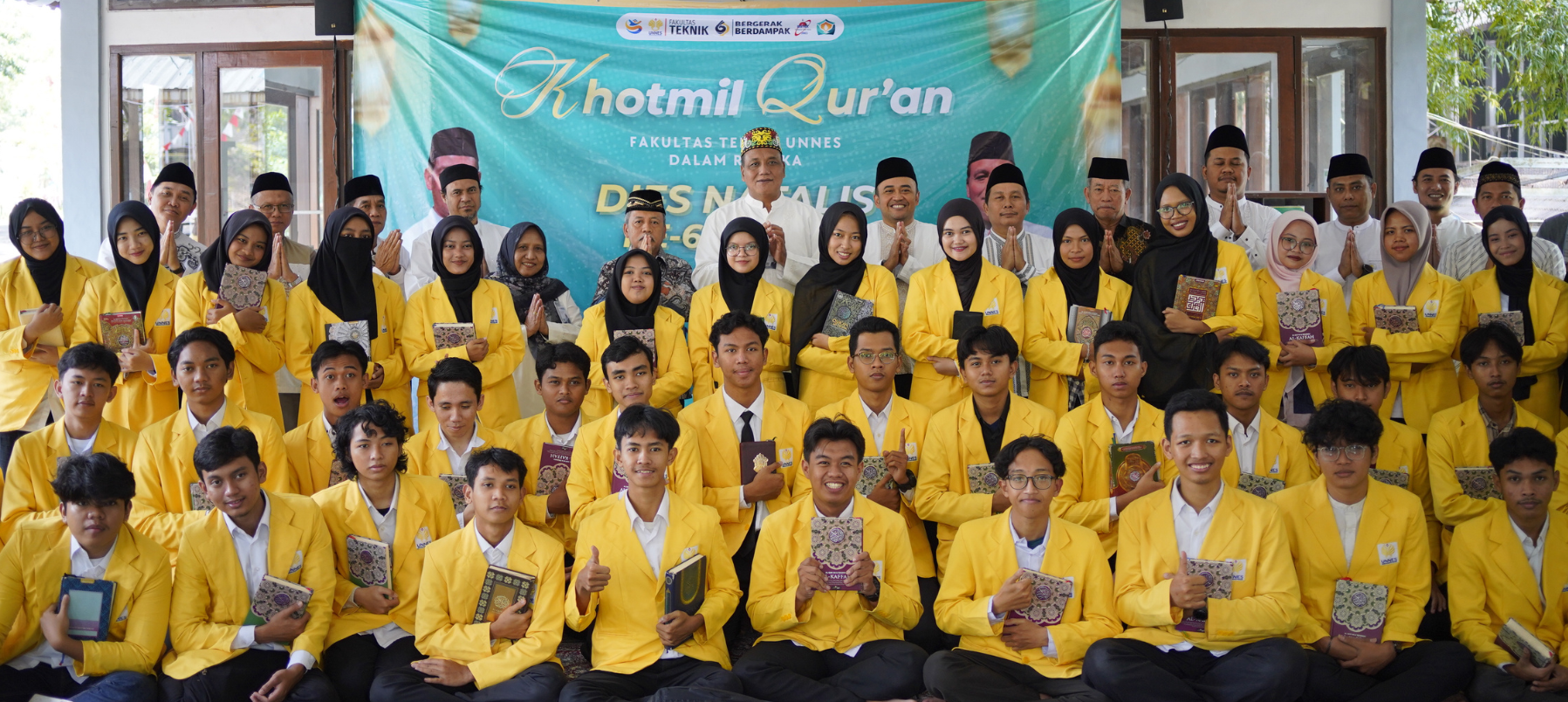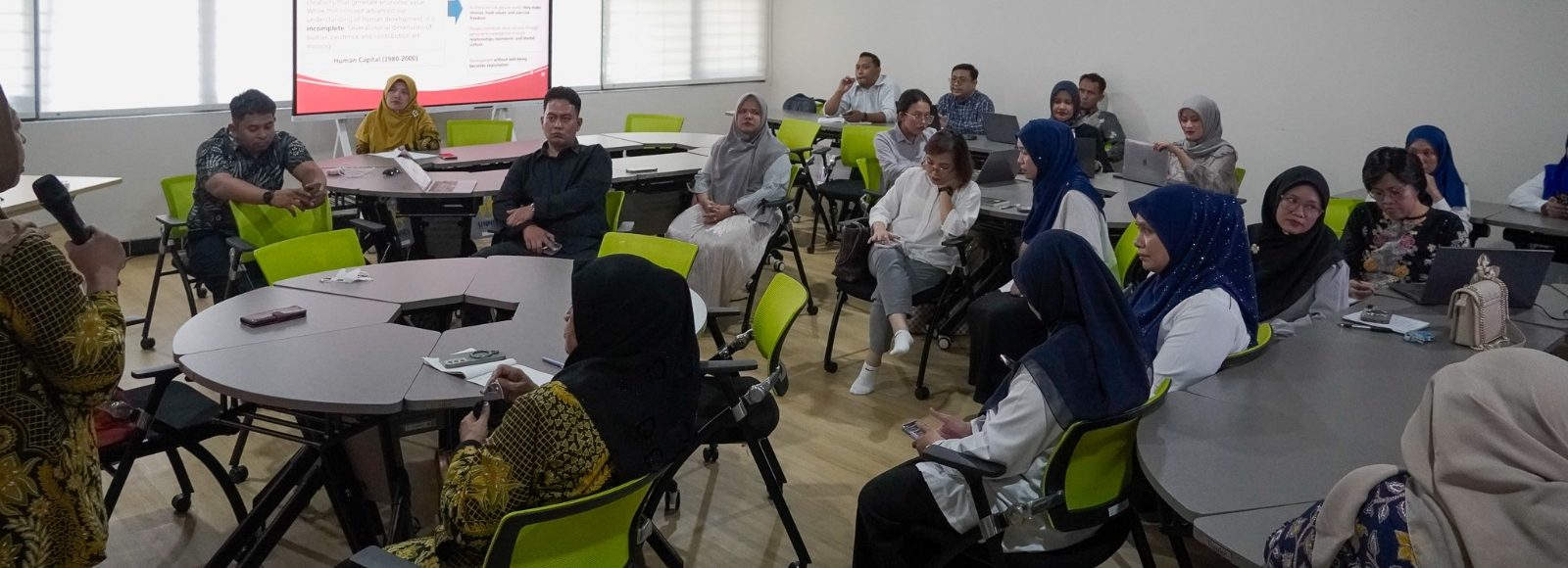
Universitas Negeri Semarang (UNNES) continues to demonstrate its strategic role as a center of academic expertise contributing to evidence-based policymaking and national legal reform. Through its scholars and research-based initiatives, the university actively participates in multi-stakeholder discussions and provides professional recommendations to government institutions at the national, regional, and local levels.
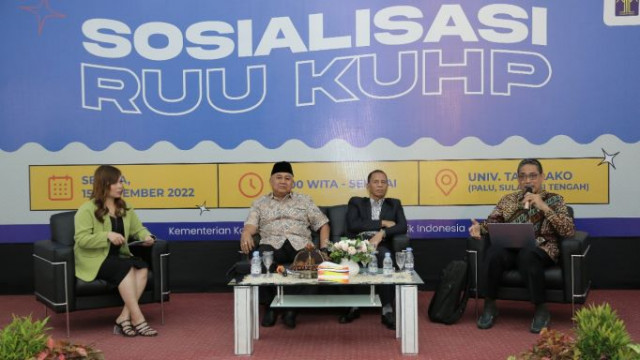
A key example of this contribution is the involvement of Prof. Dr. Benny Riyanto, S.H., M.Hum., C.N., Professor of Criminal Law at the UNNES Faculty of Law, in a series of public dialogues on the Draft Criminal Code (RKUHP) organized by the State Intelligence Agency (BIN) and the Ministry of Communication and Informatics (Kominfo).
During the Public Participation Forum on the RKUHP held in Makassar, South Sulawesi, Prof. Benny emphasized the importance of reforming Indonesia’s outdated colonial-era Criminal Code to align with modern norms, restorative justice, and national values.
“The new Criminal Code must be futuristic, adaptive to technological developments, and responsive to the evolving needs of our legal society,” said Prof. Benny in his presentation.
UNNES further strengthened this engagement through the Legal and Human Rights Digital Literacy Forum, organized in collaboration with Kominfo, focusing on “Dissemination of the Draft Criminal Code and Legal Awareness in the Digital Society.” The forum served as a constructive platform for dialogue among academics, policymakers, and civil society to increase legal literacy and promote transparency in national lawmaking processes.
At the regional level, UNNES’s expertise also extends beyond legal reform. Dr. Budiyanto, M.Pd., Chair of the UNNES Alumni Association (IKA UNNES), currently serves as Chairman of the Semarang City Education Council, reflecting public trust in UNNES’s academic leadership and its contribution to improving regional education governance. Under his direction, the Council has formulated recommendations and policy inputs for the city government to enhance educational quality and equity.
In addition, UNNES collaborates with multiple regional and national institutions, including the Central Java Provincial Government, the Kendal Regency Government, and the Ministry of Home Affairs, to co-develop research-based public policy initiatives on sustainable governance, environmental resilience, and community empowerment.
These continuous engagements affirm UNNES’s vision as a “University for a Sustainable Society” an institution that bridges science, policy, and community empowerment. Through academic contributions to government policymaking, UNNES upholds the essence of Sustainable Development Goal 16 (Peace, Justice, and Strong Institutions) by fostering inclusive, accountable, and transparent decision-making processes at all levels of governance.
References
- Liputan6.com – UNNES Professor: New Criminal Code is Futuristic and Responsive to Future Legal Needs
- UNNES FH – Kominfo Partners with UNNES for RKUHP Socialization and Digital Legal Literacy Forum
- Kilas Persada – Education Council of Semarang Engages UNNES Experts in Policy Discussions
- UNNES News – UNNES and Central Java Government Collaborate on Sustainable Development