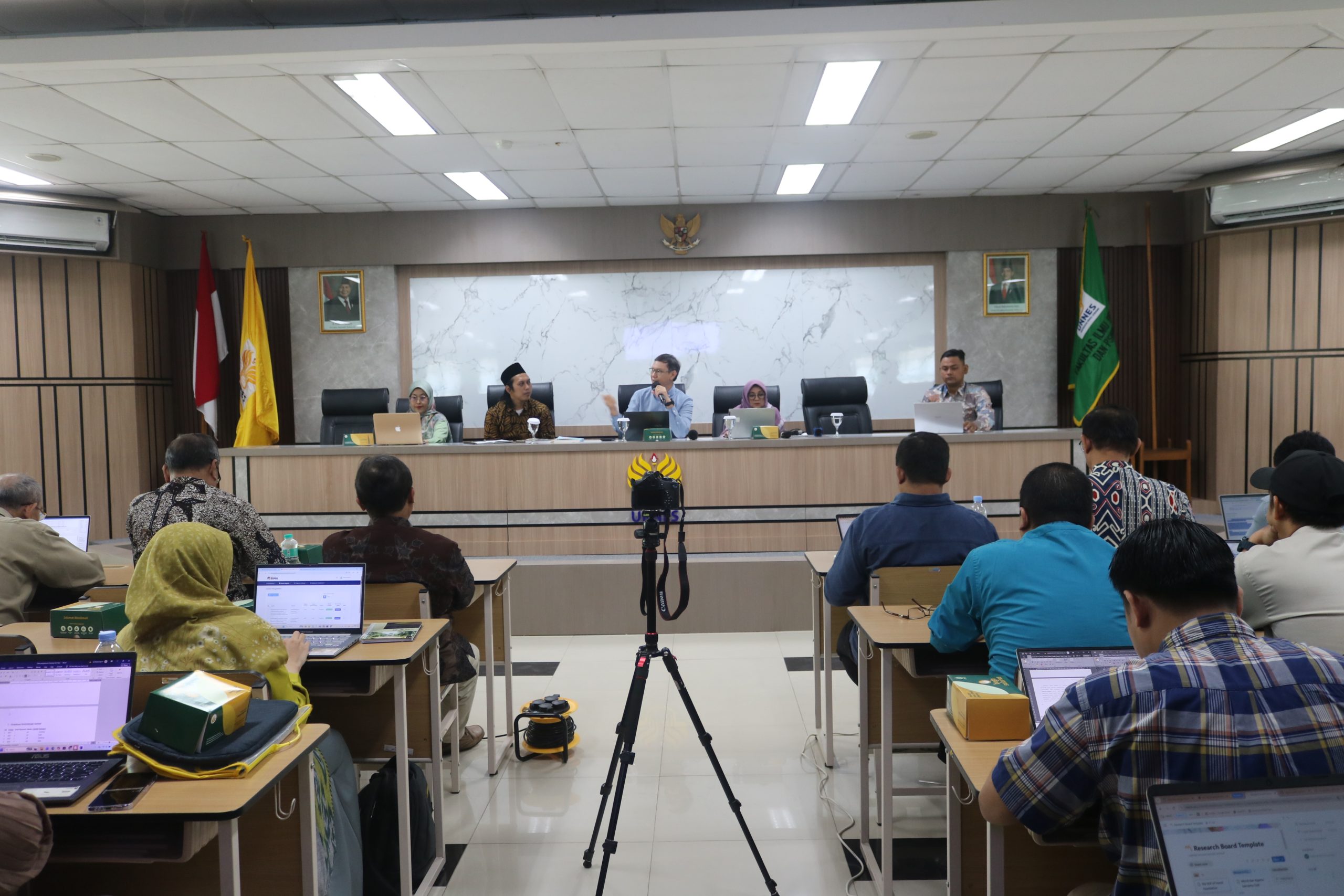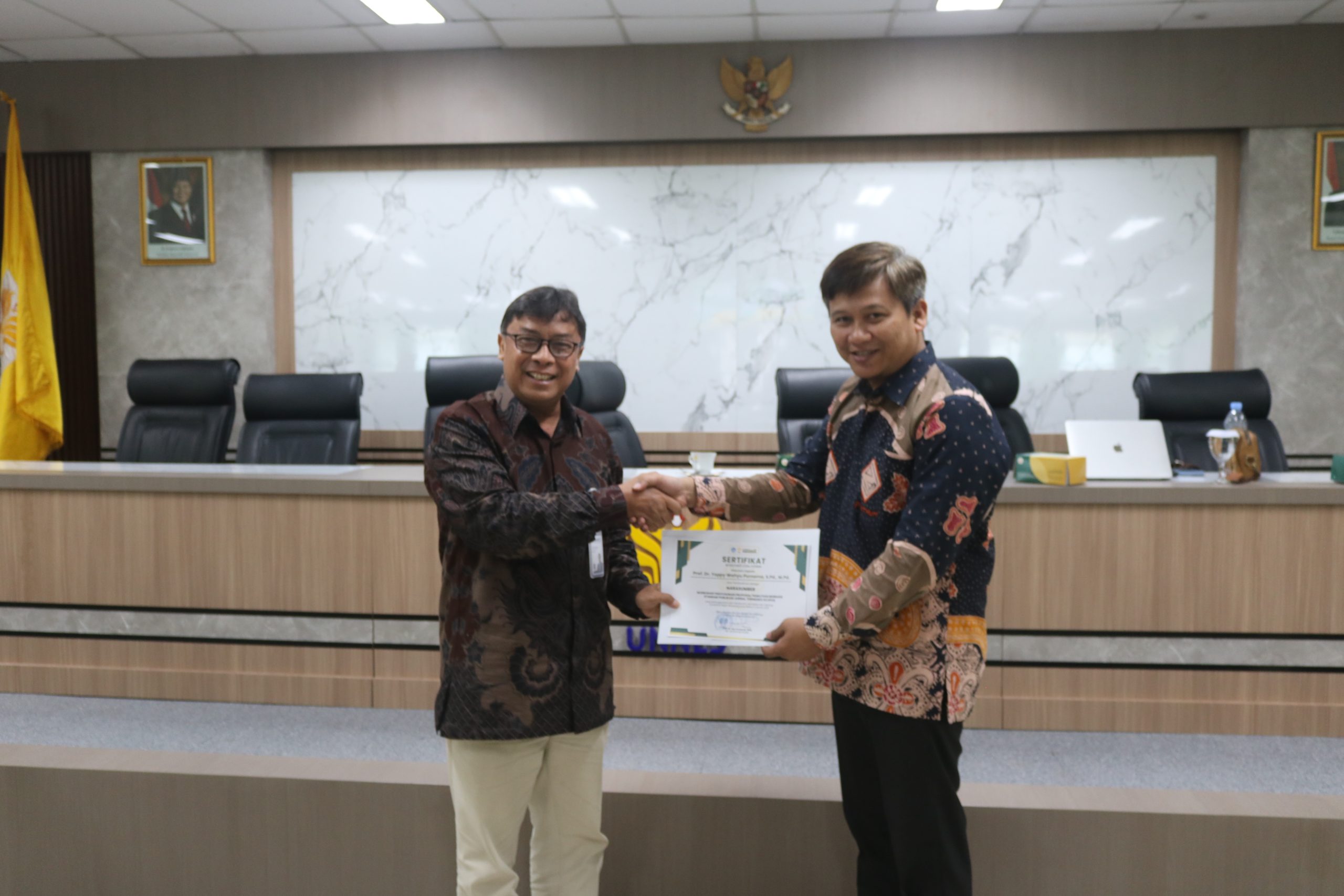
The event, initiated by Nasywa Khairunnisa, a bachelor’s degree student in Curriculum and Educational Technology participating in the UNNES 13 Community Service Program, targeted local PKK mothers with the aim of strengthening parenting practices amid the reality of many parents working outside the home.
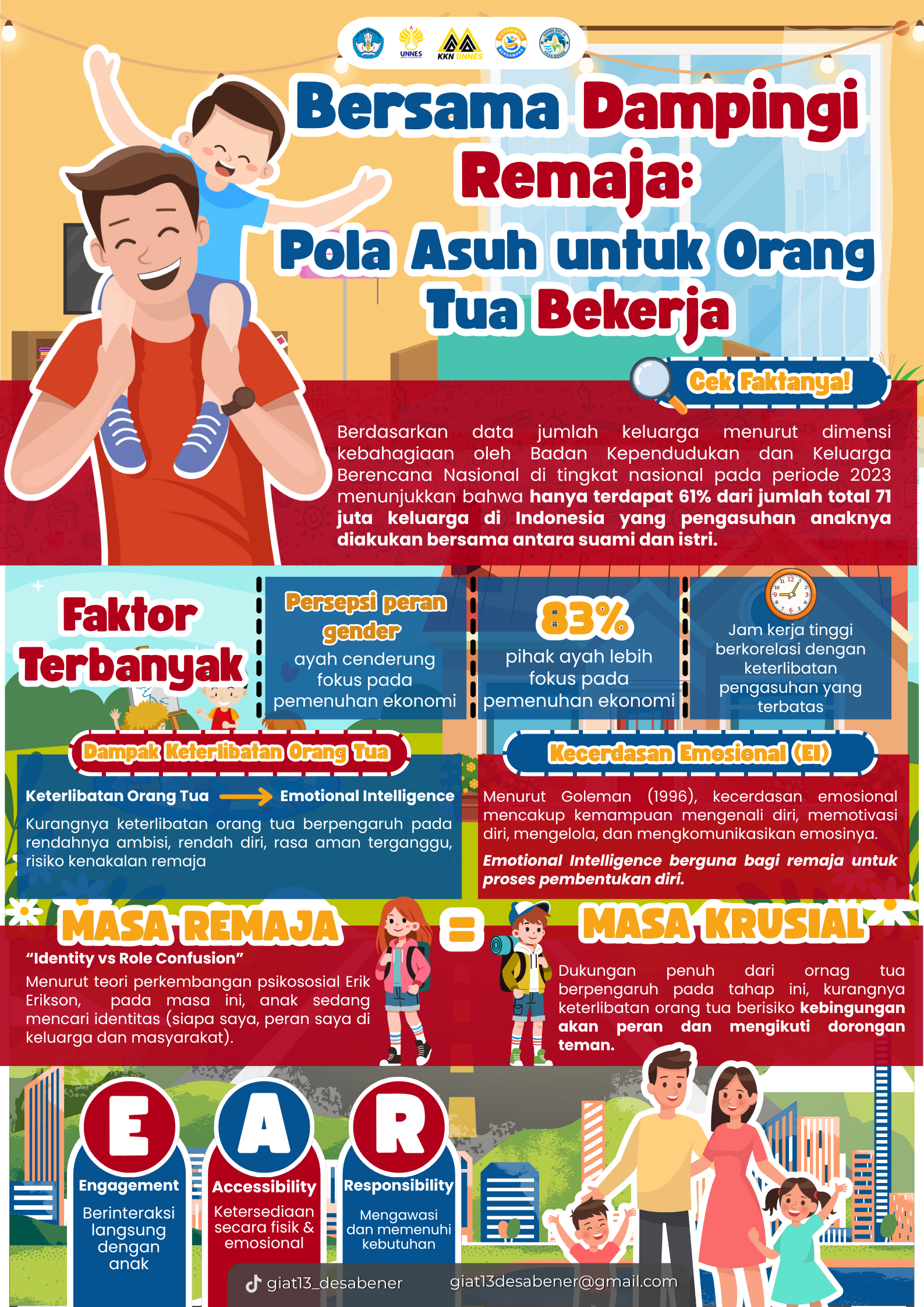
According to the presentation shown during the socialization, data from the National Population and Family Planning Agency (2023) indicates that only around 61% of all families share childcare responsibilities between husband and wife. The reality in Tugu Hamlet—where the majority of parents work outside the home and many children are in their teens—makes supervision and guidance of children an issue that needs practical attention.
Nasywa chose a light yet comprehensive educational approach: brief material presentations, interactive discussions, and educational media in the form of infographic posters. Conceptually, Nasywa adopted the three pillars of parental involvement from the Paternal Involvement theory developed by Joseph Pleck (1997), a professor at the University of Illinois. During the presentation session, Nasywa emphasized that “no matter how good the implementation of the curriculum at school is, it will not be effective without the support of good parenting at home,” an argument linking her academic experience in the field of curriculum with practical needs in the field.
The discussion was lively. The PKK mothers not only received the material, but also actively shared their experiences and concerns about their children entering adolescence. The head of the Tugu Hamlet PKK, Mrs. Widya, expressed her appreciation for this educational activity. She also hoped that similar educational programs could continue to be held in the hamlet through other programs.
Initiatives such as this show that strengthening parenting at the village level is not just an individual task, but a collective effort that links academic knowledge with local wisdom. Amid economic pressures that force many parents to work, practical solutions are the most realistic way to ensure that adolescents get the guidance they need.