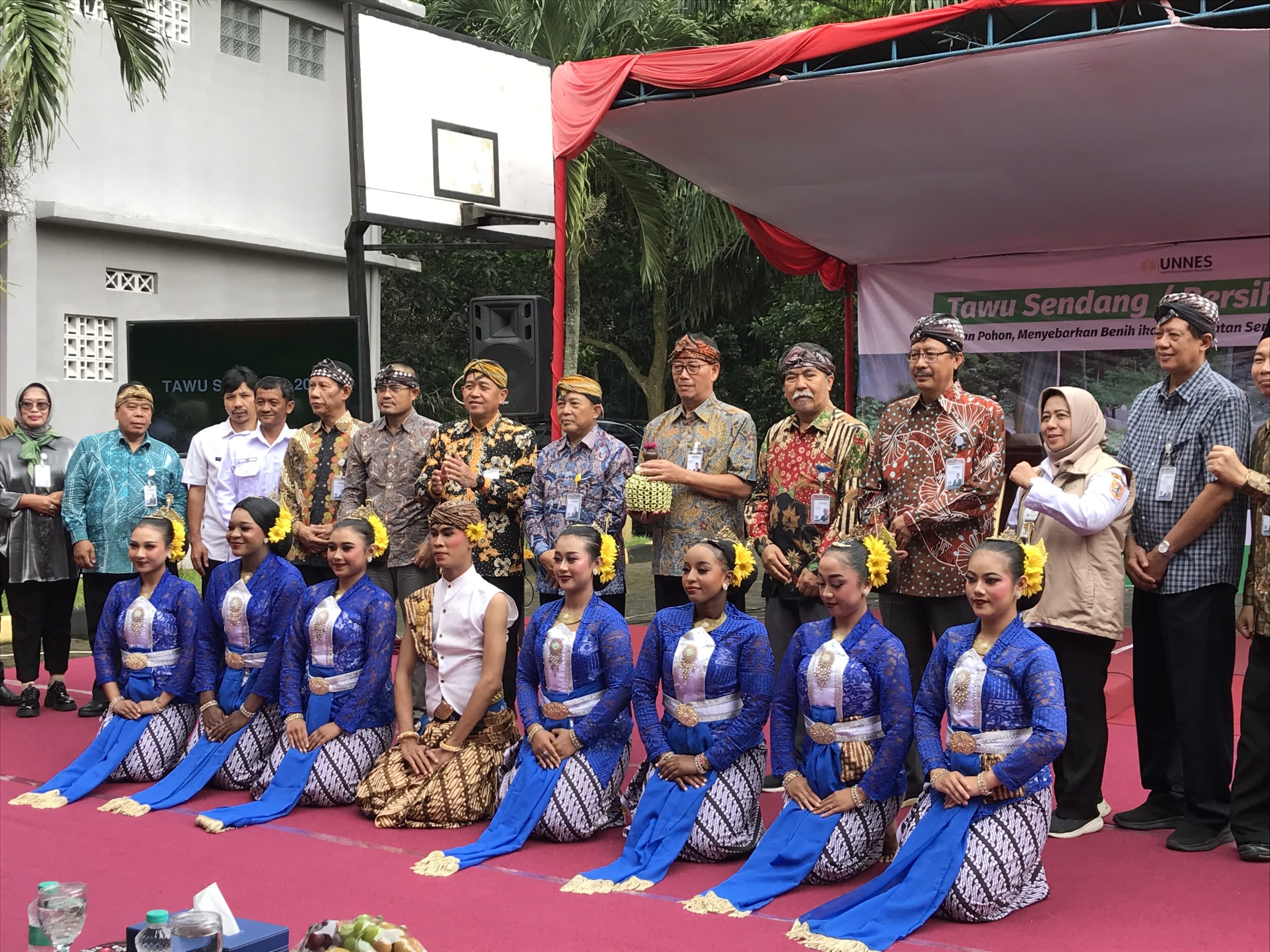
Semarang, December 3, 2025 – UNNES successfully held Tawu Sendang, which opened a new chapter by reviving a long-standing tradition. This tradition is quite sacred because it is not merely a ceremonial event but a concrete action to maintain water sources, springs, and instill a sense of ecological responsibility.
A Ritual with a Sacred and Meaningful Atmosphere
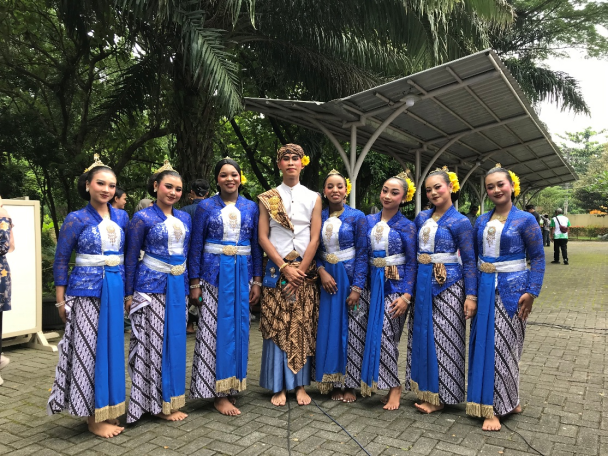
Dance Performers from Local and International Students
Source: UNNES’ Documentation
The event opened at the Student Dormitory I courtyard. It continued with a traditional dance called Tirta Panguripan performed by local students and two foreign students who also danced together. The activity continued with a walk to the spring location, led by the rector and campus officials. The aroma of incense, flower petals, and offerings reinforced the sacred atmosphere.
Upon arrival at the spring, a series of symbolic acts were performed, such as scattering 4,000 fish seeds into the spring and planting trees on the banks. This ritual was a tangible demonstration of the university’s commitment to strengthening the water ecosystem on campus, rather than being merely symbolic.
Water as a Source of Life that Must be Preserved
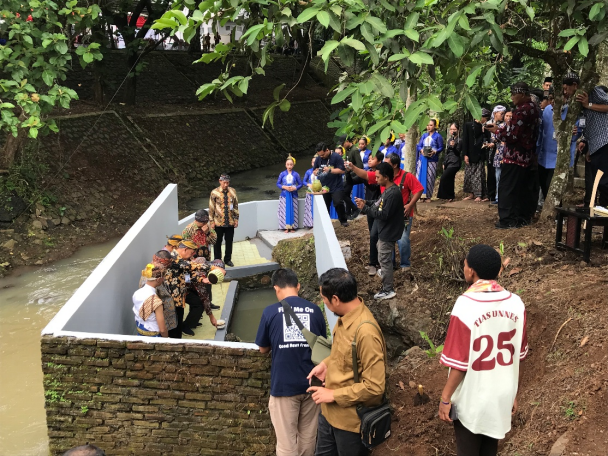
Fish Seed Distribution
Source: UNNES’ Documentation
The Rector of UNNES, Prof. S. Martono, emphasized that water is central to human life. “Water is the meaning of your life; we live from water, so we must be friends with water,” he said.
In the campus area and its surroundings, there are about 10 springs that have been meeting the needs of local residents. However, excessive use of water, for example, through illegal suction pipes, has damaged the balance of nature.
Through Tawu Sendang, UNNES hopes not only to preserve the springs but also to restore the collective awareness that water and nature are a legacy that must be preserved for future generations.
Concrete Steps Taken by UNNES
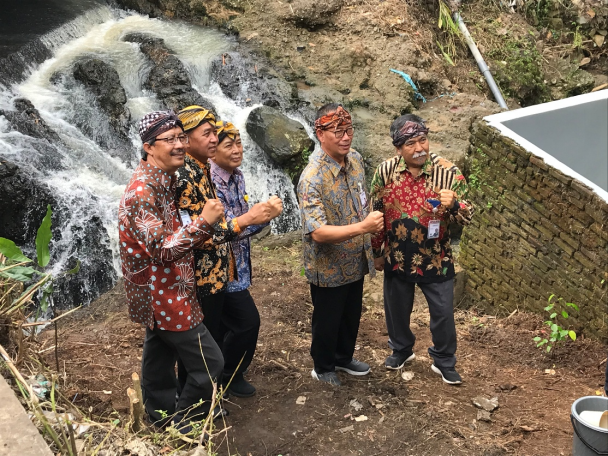
Group Photo after Tree Planting
Source: UNNES’ Documentation
- Coordinate with the city government so that the water pipes in the springs are combined into an official channel so that water distribution is more equitable.
- Preparing a plan to build three reservoirs on campus to secure water availability during the dry season.
- Internal campus policy: if a tree is cut down, it must be replaced by planting five new trees as part of a commitment to environmental friendliness.