Universitas Negeri Semarang (UNNES) continues to reaffirm its identity as a conservation-oriented university through a range of strategic initiatives involving all members of its academic community. These efforts go beyond environmental preservation, encompassing the strengthening of values, culture, and integrated sustainability systems.
Building Environmental Awareness among Students
One of the concrete initiatives is the Basic-Level Conservation Cadre Training (Bimtek) held on July 18–19, 2025. The program involved 24 students from various faculties and student organizations.
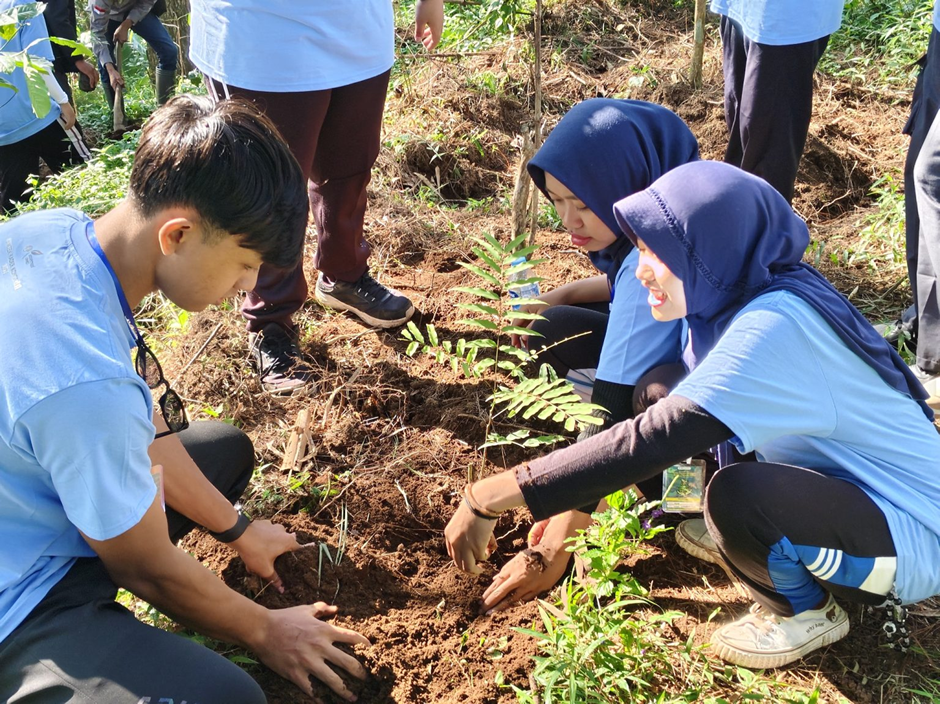
This training aims to cultivate a generation of environmentally conscious individuals who actively participate in conservation efforts. Students are encouraged to become agents of change, applying conservation values in their daily lives. Collaboration with the Natural Resources Conservation Agency (BKSDA) of Central Java also enriched the program with practical, field-based learning.
Through this initiative, UNNES not only provides theoretical understanding but also hands-on experience that fosters ecological awareness from an early stage.
The Strategic Role of Young Lecturers
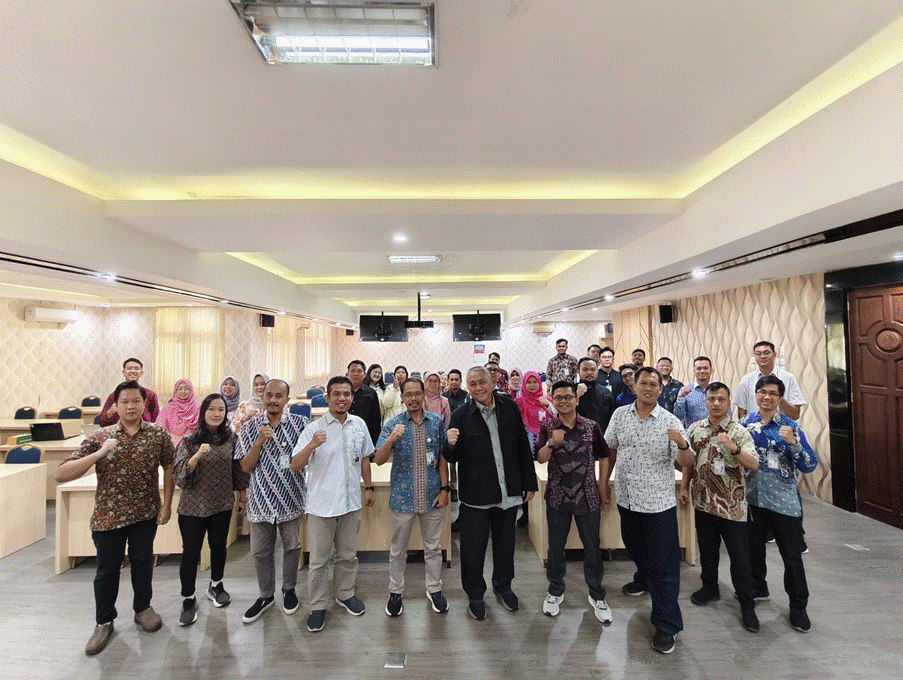
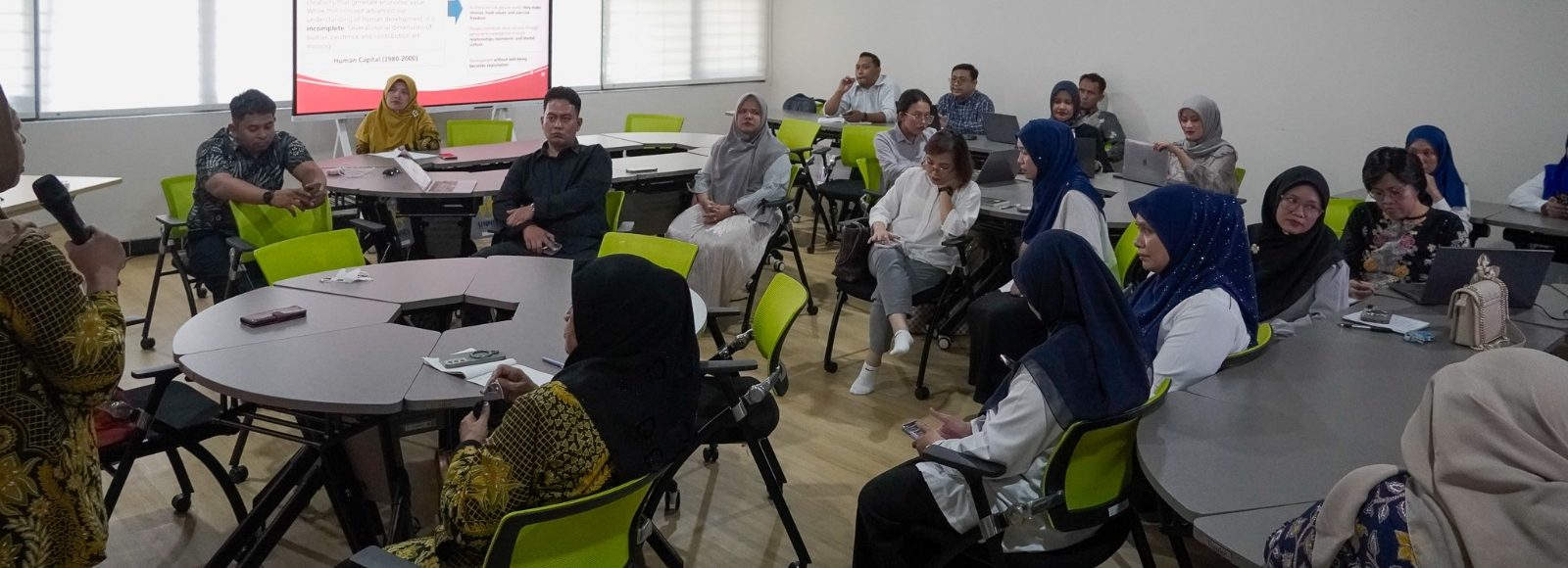
In addition to students, young lecturers play a vital role in strengthening the university’s conservation vision. In a program held on June 25, 2025, the Subdirectorate of Conservation invited young lecturers to deepen their understanding of conservation values and integrate them into the Tri Dharma of Higher Education—education, research, and community service.
Lecturers are encouraged to embed sustainability principles into their academic activities, positioning themselves as key drivers of innovation and role models for students. Their active participation also contributes to enhancing UNNES’ performance in global rankings such as UI GreenMetric and the achievement of the Sustainable Development Goals (SDGs).
Strengthening Systems and Data for Sustainability
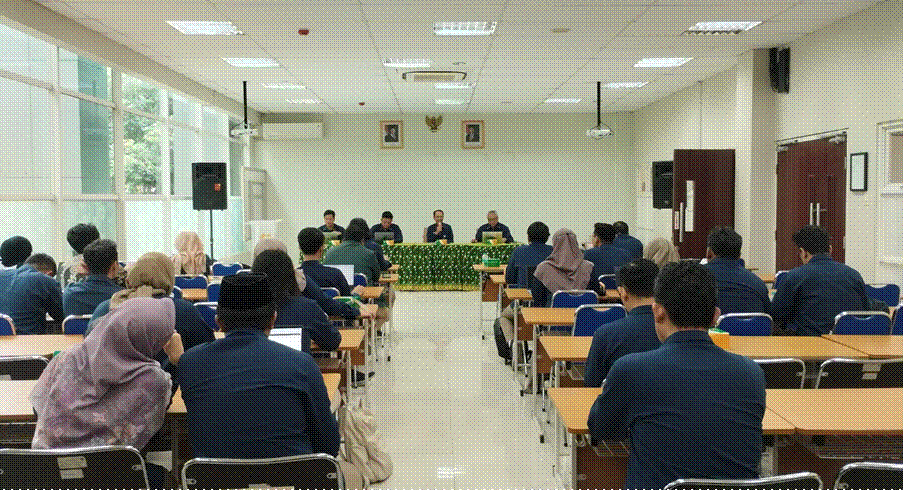
UNNES also reinforces its conservation efforts through data-driven systems, particularly through the socialization of the H-Bat System. This platform is designed to collect sustainability-related data, including energy efficiency, waste management, water conservation, air quality, and environmental health.
The collected data serve as crucial evidence for UI GreenMetric and SDGs assessments, while also functioning as an internal evaluation tool for the university. Through this initiative, faculties and administrative units are encouraged to input accurate and consistent data, reflecting a collective commitment to sustainability.
A Holistic Approach to a Sustainable Campus
These three initiatives—student development, lecturer engagement, and system strengthening—demonstrate UNNES’ holistic approach to implementing its conservation vision.
This approach aligns with UNNES’ commitment not only to academic excellence but also to becoming a leading institution in sustainable development. The programs illustrate that conservation is not merely a concept, but a practical, campus-wide movement involving all stakeholders.
With continued synergy and commitment, UNNES is steadily advancing toward becoming a globally recognized green university that contributes meaningfully to a sustainable future.