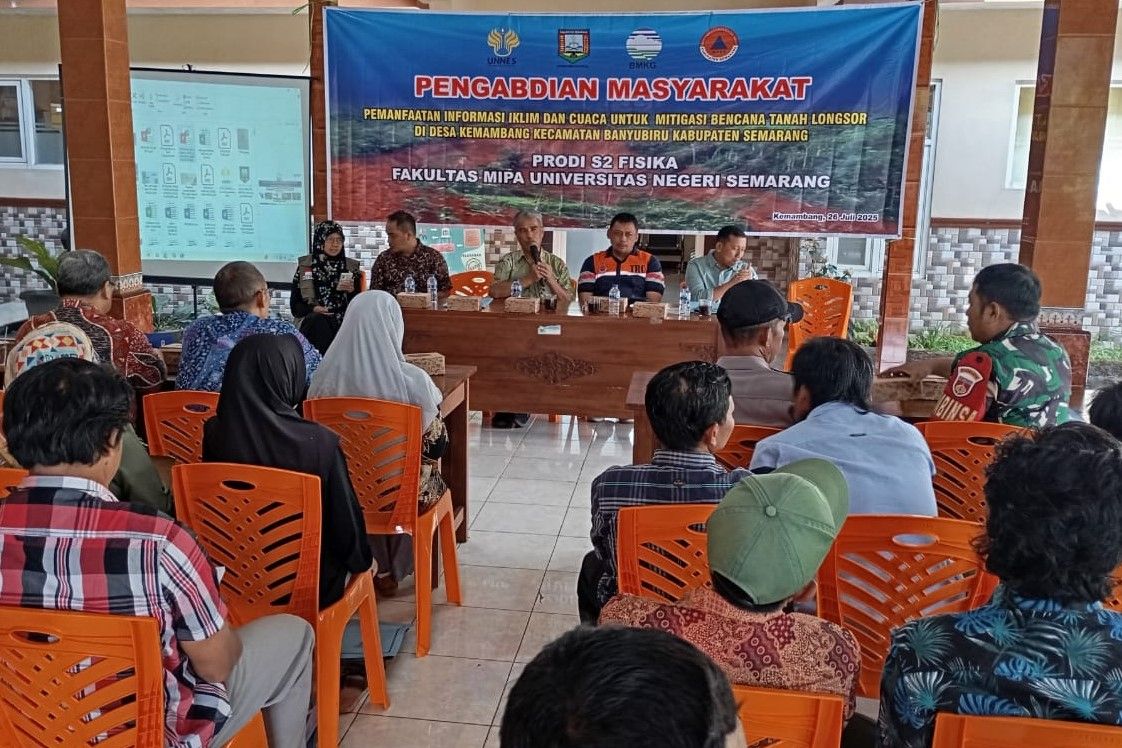
A community service team from the Faculty of Mathematics and Natural Sciences (MIPA) of Semarang State University (Unnes) educated residents of Kemambang Village, Banyubiru District, Semarang Regency, on Saturday (July 26, 2025). Together with the Central Java Meteorology, Climatology, and Geophysics Agency (BMKG), Unnes provided information on weather and climate, including disaster mitigation, in the landslide-prone village.
The Head of the Unnes Community Service Team, Prof. Dr. Supriyadi, stated that the community was equipped with knowledge related to climate and weather to better understand and strengthen resilience in the face of potential disasters, as well as mitigation strategies.
“Through this outreach, we are inviting officers from the Central Java Meteorology, Climatology, and Geophysics Agency (BMKG) to discuss climate and weather issues in Kemambang Village, a landslide-prone area. We hope that residents working in various professions will understand the causes of climate and weather, as well as the impacts they experience during the dry and rainy seasons,” he said during the outreach in the Kemambang Village Hall.
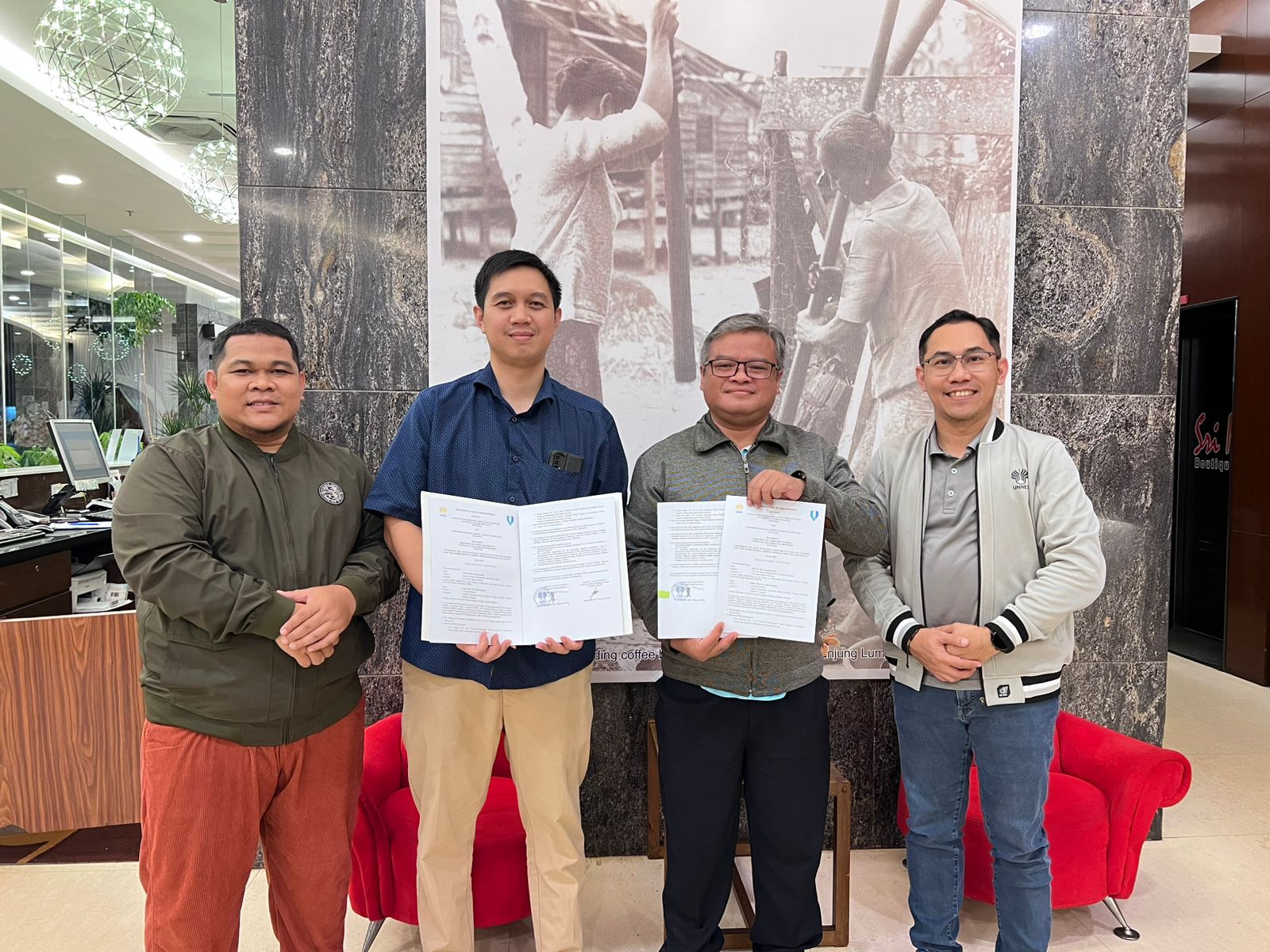
The Professor of Applied Geophysics explained that the community service team also signed a memorandum of understanding (MoU) with the Kemambang Village Government, a partner of Unnes. “This collaboration can be in the field of education, such as improving teacher capacity, or in the environmental sector, specifically organic waste management,” explained the Head of the Master’s Program in Physics, Mathematics and Natural Sciences, Unnes.
The community service team members are Dr. Agus Yulianto, M.Si, Dr. Khumaedi, M.Si, Dr. Sunarno, M.Si, Dr. Siti Wahyuni, M.Si, Fianti, M.Sc, Ph.D., Suraji, S.Pd, M.Pd, and Rodhotul Muttaqim, S.Si. The community service activity, which also involved Unnes Master’s students in Mathematics and Natural Sciences, featured Alexander Gunawan Tribiantoro, Head of the Semarang Regency Regional Disaster Management Agency (BPBD) as a resource person.
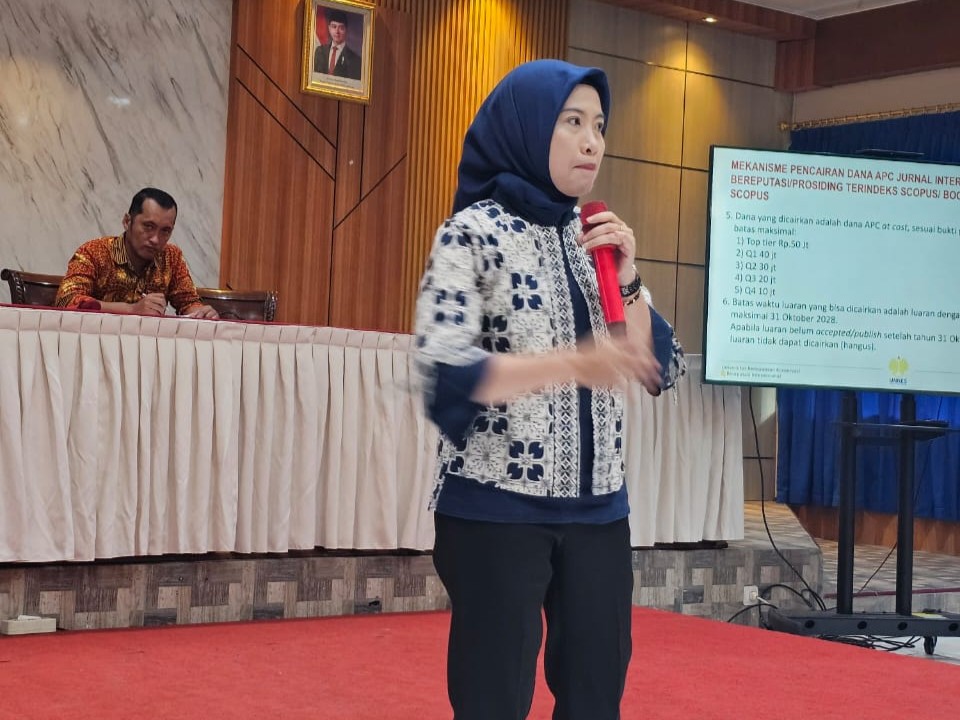
Two other speakers were from the Data and Information Section of the Central Java Meteorology, Climatology, and Geophysics Agency (BMKG), Sri Endah Ardhiningrum Abdullah and Abdul Latif. In his presentation, Alexander stated that Kemambang is classified as a landslide-prone area, but has become a disaster-resilient village.
“Besides Banyubiru, several other sub-districts are also categorized as landslide-prone due to their highland areas, namely Bandungan, Jambu, Sumowono, Getasan, and Pringapus,” he said. During heavy rainfall, landslides are potential in villages like Kemambang. This is anticipated by installing bamboo trucuk (truss structures) and covering bare land in certain areas with tarpaulin.
Another resource person, Sri Endah, explained the existence of anomalous phenomena that the public must understand, such as intermittent rain and heavy but short periods of rain. During the break in the seasons, sometimes it doesn’t rain during the rainy season, while during the dry season, it sometimes rains.
“The impact of these weather anomalies can lead to water shortages or droughts, and can even trigger hydrometeorological disasters such as floods,” she said. Abdul Latif emphasized that climate information is crucial for human life because it can impact daily activities.
According to him, the six elements that influence weather and climate are solar radiation, air pressure, rainfall, temperature, and humidity. “The weather affects daily activities. For example, farmers will go to their fields earlier due to hot weather, and truck drivers will be unable to operate if the roads are flooded,” he concluded.
Meanwhile, Kemambang Village Head, Heru Susanto, expressed his appreciation for the outreach efforts of the Unnes and BMKG teams, which are undoubtedly beneficial for his residents. According to BPBD data, Kemambang Village is listed as a landslide-prone area, located in three hamlets: Sodong, Plalar, and Bakalan.
“There have been landslides in the past, but in the past three years, there have been zero landslides,” he said. The community service team’s activities are commendable, but he hopes that other programs can be implemented for the betterment of his village’s residents.
This initiative strongly supports Sustainable Development Goal 4 (Quality Education) by ensuring inclusive and equitable access to knowledge, especially in rural and disaster-prone communities. By educating residents on weather patterns, climate anomalies, and disaster mitigation strategies, Unnes and BMKG empower local communities with life-saving knowledge that enhances their resilience and preparedness.
Furthermore, the collaboration between universities, government agencies, and local authorities demonstrates the role of education in building capacity, promoting awareness, and encouraging adaptive behaviors in the face of climate challenges. Strengthening teacher capacity, involving students in community service, and transferring scientific knowledge to the community are essential steps toward achieving SDG 4’s vision of inclusive, lifelong learning opportunities for all.