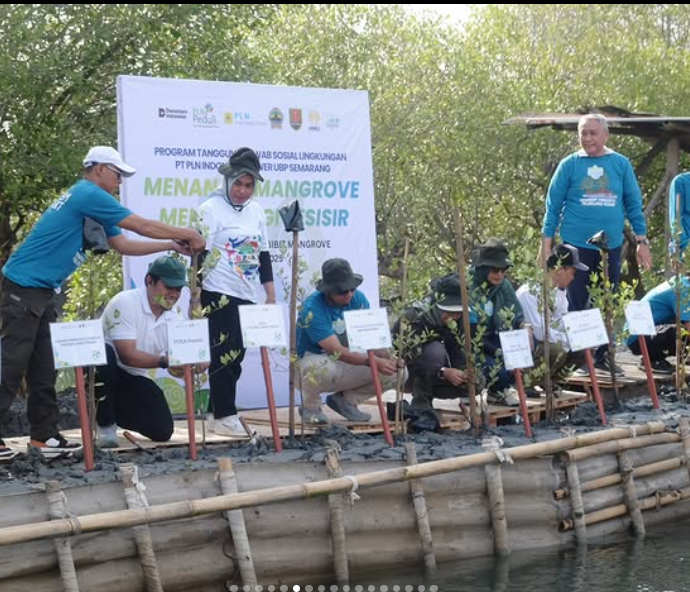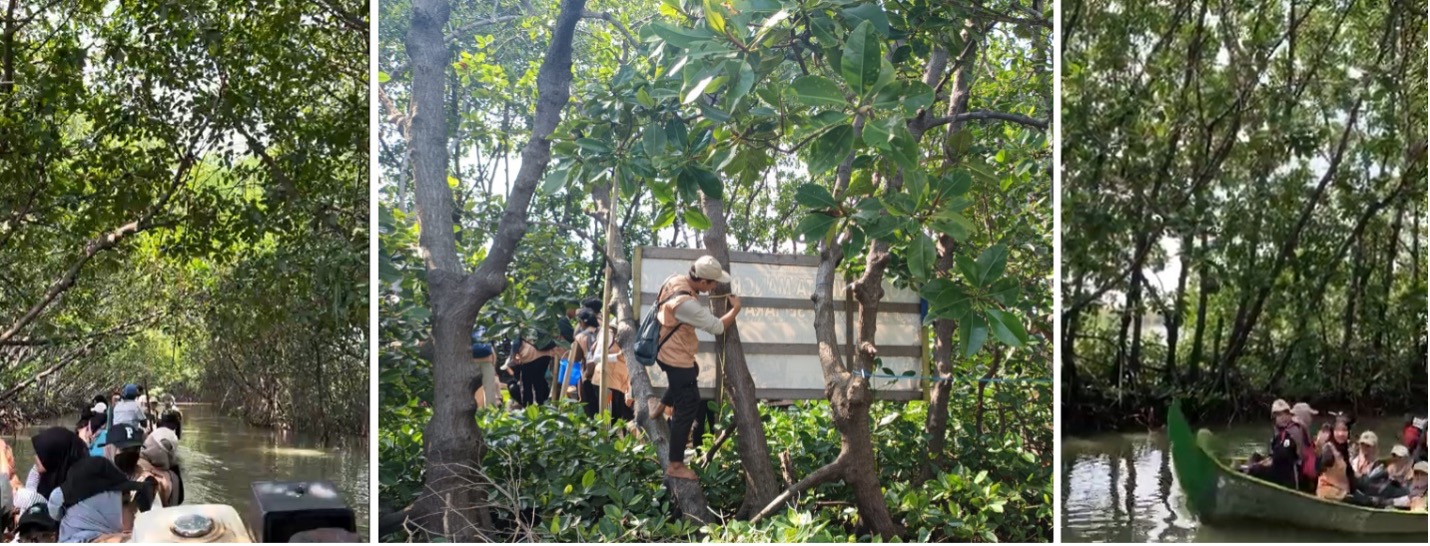
Semarang, October 2025 — Students of the Environmental Science Study Program, Semarang State University (UNNES), continue to demonstrate their commitment to environmental sustainability through field-based learning that supports the Sustainable Development Goals (SDGs). Earlier this year, on May 6, 2025, the students carried out an Excursion or Field Lecture in the Tapak mangrove area and Tirang Beach, Semarang City—a valuable learning experience under the Coastal and Marine Management course.
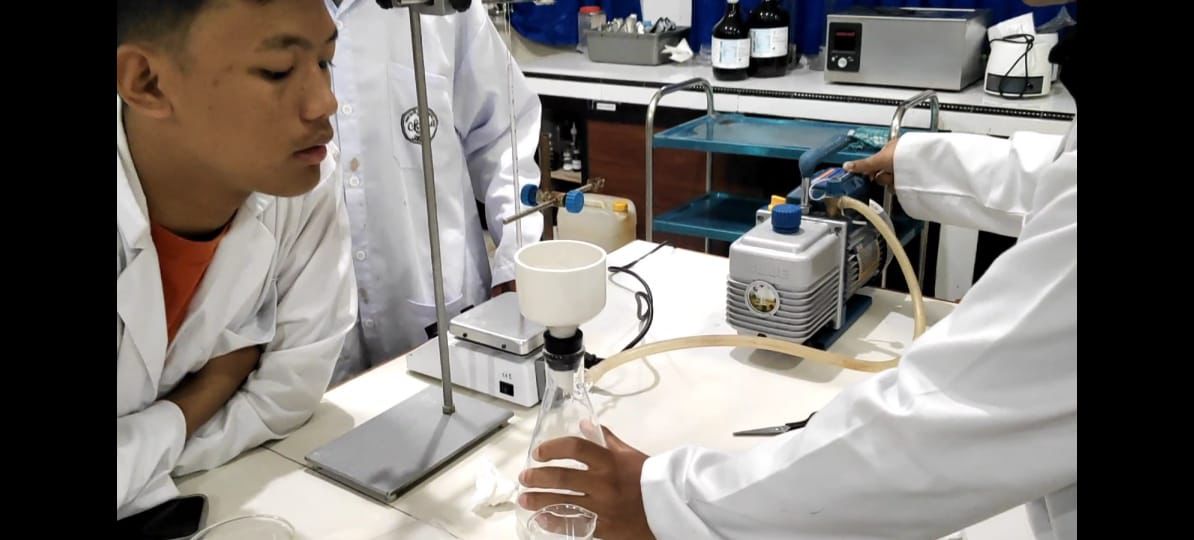
The field activity focused on the collection of abiotic data (meteorological conditions, salinity, and water quality), biotic components (fauna diversity and mangrove biophysics), and socio-cultural aspects (community utilization and local wisdom). By integrating these three dimensions, students were able to explore how ecological balance, social participation, and sustainable management intersect in real-world coastal ecosystems.
Accompanied by lecturers Prof. Dr. Nana Kariada Tri Martuti, M.Si, Abdul Jabbar, S.Si., M.Ling, Trida Ridho Fariz, S.Si., M.Sc, and Putri Alifa Kholil, S.T., M.Ling, the students learned holistically about the complexity of coastal and marine environmental management. The activity encouraged them to connect theoretical knowledge with practical field experience—an essential step in building environmental literacy and problem-solving skills.
This excursion directly supports SDG 14 (Life Below Water), which aims to conserve and sustainably use the oceans, seas, and marine resources. The students’ participation in mangrove ecosystem assessment reflects a concrete effort to protect coastal biodiversity, mitigate the impacts of climate change, and strengthen community-based conservation.
In addition, the activity embodies IKU 7 (Collaborative and Participatory Classes) by engaging students in experiential and interdisciplinary learning. It also reinforces the vision of the Environmental Science Study Program UNNES—to advance environmental science through conservation-based education and community empowerment, particularly in coastal regions.
Aligned with the broader mission of FMIPA UNNES as a Pioneer of Excellence in Innovative and Conservation-Oriented Natural Resource Education and Research, this field lecture provides students with real-world exposure to environmental challenges and sustainable management practices.
Through this experience, students not only deepened their understanding of ecosystem conservation but also contributed to UNNES’s commitment to supporting the Sustainable Development Goals, especially SDG 14, by nurturing a generation of environmentally conscious and socially responsible scholars.