Selasa Legen Cultural Dialogue: “Gamelan in Global Perspective” by Prof. Sumarsam

Universitas Negeri Semarang > Sustainable Development Goals Universitas Negeri Semarang > SDGS Goals > SDG 11 - Sustainable cities and communities > Selasa Legen Cultural Dialogue: “Gamelan in Global Perspective” by Prof. Sumarsam

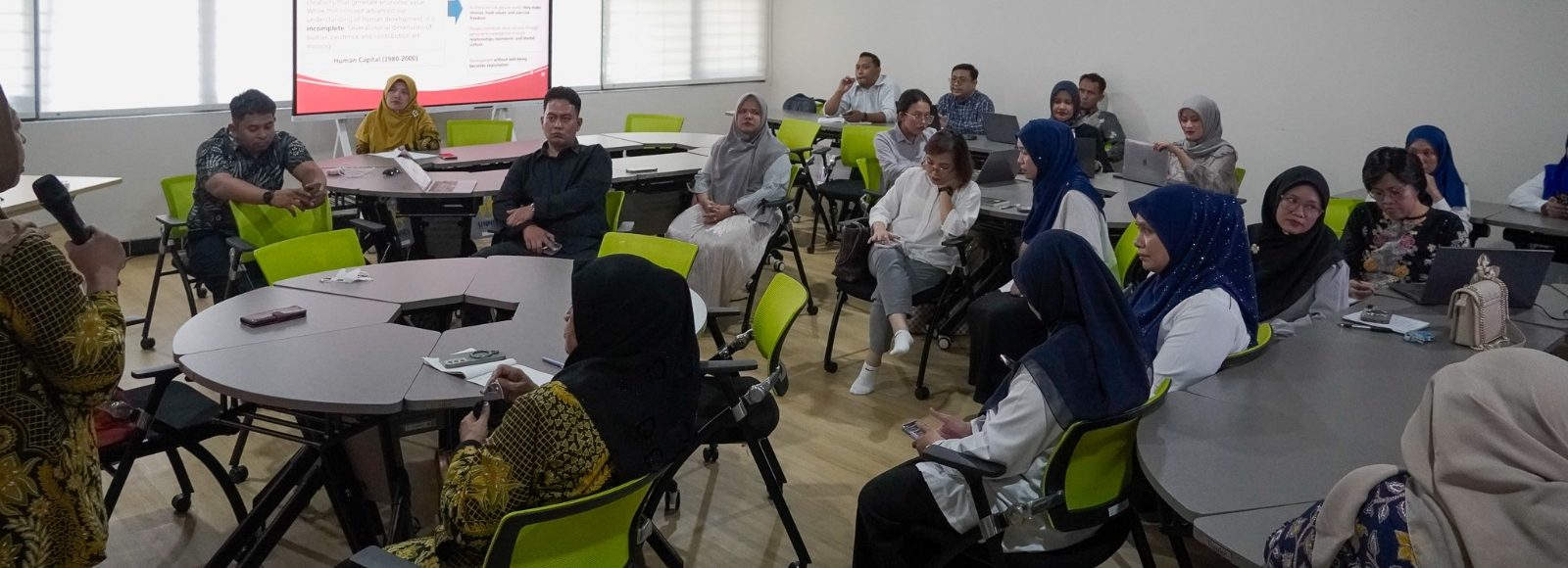
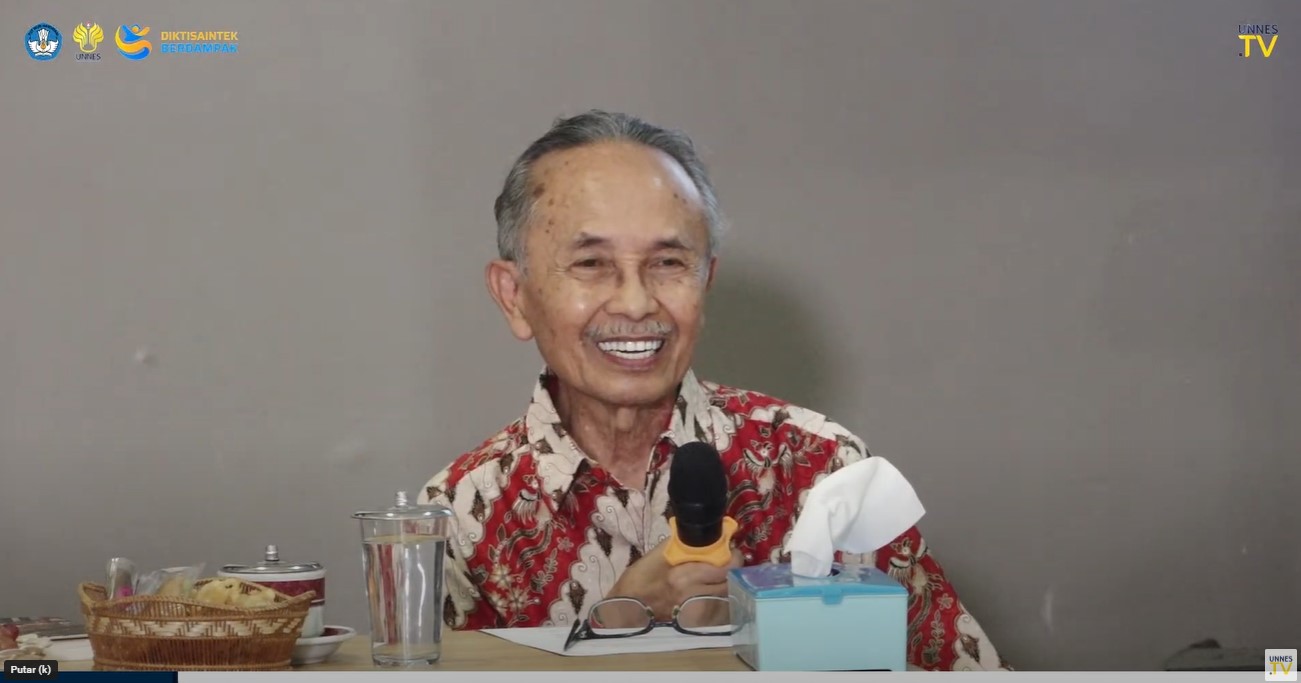
The Faculty of Languages and Arts at Universitas Negeri Semarang (FBS UNNES) once again held its renowned cultural forum, Sarasehan Selasa Legen, now in its 117th edition. This session, themed “Gamelan Research Abroad,” featured a distinguished speaker, Prof. Sumarsam, Ph.D., the Winslow-Kaplan Professor of Music at Wesleyan University, United States.

The event took place on the evening of Monday, July 7, 2025, at UNNES Cultural Village, Sekaran, Gunungpati, Semarang, and was also livestreamed via the UNNES TV YouTube channel. The session was moderated by Lesa Paranti, a lecturer from the Faculty of Languages and Arts at UNNES.

Prof. Sumarsam’s visit to UNNES was not merely in the capacity of a guest speaker, but also marked a significant step in fostering international academic collaboration between FBS UNNES and Wesleyan University. This partnership encompasses visiting professorships and joint research initiatives in the fields of ethnomusicology and performing arts, aligning with UNNES’s broader internationalization strategy to advance globally oriented education and research.

In his presentation, Prof. Sumarsam offered a profound reflection on the historical dissemination of gamelan to the West and the evolution of its scholarly study within the discipline of ethnomusicology. He emphasized that gamelan is not only studied as a musical form (music in culture), but also as an integral cultural phenomenon (music as culture). Furthermore, he underlined how gamelan embodies a humanistic activity, encapsulating social, spiritual, and communal identities.

“In understanding gamelan, we are not merely concerned with instruments or playing techniques. We must also engage with its intrinsic space (physical space of origin) and extrinsic space (spiritual and cultural dimensions) where the music emerges and lives,” explained Prof. Sumarsam.

On this occasion, Prof. Sumarsam also symbolically presented a copy of his latest book to Universitas Negeri Semarang. The book, The In-Between in Javanese Performing Arts: History and Myth, Interculturalism, and Interreligiosity, offers an in-depth exploration of Javanese performing arts through the lenses of history, mythology, intercultural dialogue, and religious diversity.

The insightful discussion also covered various topics such as the dynamics of gamelan research, gamelan curricula at international universities, and the challenges of preserving local culture in a globalized context.

The Dean of FBS UNNES, Prof. Dr. Tommi Yuniawan, M.Hum., who was also present at the event, welcomed the initiative warmly.

“Events such as this strengthen UNNES’s role as a conservation-oriented university. Through intercultural dialogues like Selasa Legen, we cultivate values while opening new avenues for collaboration, especially with globally recognized scholars,” he remarked.

Echoing this sentiment, Dr. Widodo, Chair of the Selasa Legen Forum, emphasized that this edition’s theme aligns with UNNES’s commitment to advancing the Sustainable Development Goals (SDGs), particularly SDG 4 (Quality Education) through intercultural learning and curriculum internationalization; SDG 11 (Sustainable Cities and Communities) through the preservation of local arts and culture; and SDG 17 (Partnerships for the Goals) through collaboration with global institutions.

Dr. Widodo further noted that the focus on gamelan research signifies a vital message, that cultural preservation must be accompanied by rigorous academic research and international networking.

“We hope this encourages students to realize that local culture holds a rightful place in global academic discourse,” he added.

This event stands as a testament to UNNES’s enduring commitment to promoting globally engaged conservation values while expanding the academic space for Indonesia’s cultural heritage,such as gamelan,to remain vibrant and relevant across generations and borders.
Related Posts

Leave a Reply

* Kode Akses Komentar:

* Tuliskan kode akses komentar diatas:

GDPR

  • Privacy Policy

Privacy Policy

At unnes.ac.id, the privacy of our visitors is of extreme importance to us. This privacy policy document outlines the types of personal information that is received and collected by unnes.ac.id and how it is used.

Log Files

Like many other Web sites, unnes.ac.id makes use of log files. The information inside the log files includes internet protocol (IP) addresses, type of browser, Internet Service Provider (ISP), date/time stamp, referring/exit pages, and number of clicks to analyze trends, administer the site, track user’s movement around the site, and gather demographic information. IP addresses and other such information are not linked to any information that is personally identifiable.

Cookies

unnes.ac.id uses cookies to store information about visitors’ preferences, to record user-specific information on which pages the site visitor accesses or visits, and to personalize or customize our web page content based upon visitors’ browser type or other information that the visitor sends via their browser.

Third-party ad servers or ad networks use technology in their respective advertisements and links that appear on unnes.ac.id and which are sent directly to your browser. They automatically receive your IP address when this occurs. Other technologies (such as cookies, JavaScript, or Web Beacons) may also be used by our site’s third-party ad networks to measure the effectiveness of their advertising campaigns and/or to personalize the advertising content that you see on the site.

unnes.ac.id has no access to or control over these cookies that are used by third-party advertisers.

You should consult the respective privacy policies of these third-party ad servers for more detailed information on their practices as well as for instructions about how to opt-out of certain practices. unnes.ac.id’s privacy policy does not apply to, and we cannot control the activities of, such other advertisers or web sites.

If you wish to disable cookies, you may do so through your individual browser options. More detailed information about cookie management with specific web browsers can be found at the browsers’ respective websites.

Consent

By using our website, you hereby consent to our privacy policy and agree to its terms.

Update

This Privacy Policy was last updated on: 2023-02-14. Should we update, amend or make any changes to our privacy policy, those changes will be posted here.

Contact Us

If you have any questions, comments, or concerns about our Privacy Policy or our practices with regards to your personal information, please feel free to contact us through the contact form on our website or by emailing us at humas[at]mail.unnes.ac.id.

This Privacy Policy is intended as a general guide to our practices in collecting and using information. If there is any inconsistency between this Privacy Policy and the terms of the Service Agreement or any other terms that may apply to specific services you use, then those specific service terms shall apply.

Terms of Use

By using our website, you agree to abide by this Privacy Policy. If you do not agree with this Privacy Policy, please do not use our website. We reserve the right to update this Privacy Policy from time to time without prior notice. Please review our Privacy Policy periodically to check for changes. Your continued use of our website following the posting of changes to this Privacy Policy means that you accept the changes.

Thank you for reading our Privacy Policy. We are committed to protecting the privacy of our website visitors and will continue to update our Privacy Policy to ensure optimal protection.