July 9, 2025 – Inclusive education continues to be an issue of concern in Pekalongan City. Based on data from the local Education Office, more than 700 students with special needs (PDBK) have been identified at the elementary school level. This number shows that regular schools in Pekalongan face a major challenge in meeting the needs of all students fairly, including those with special needs.
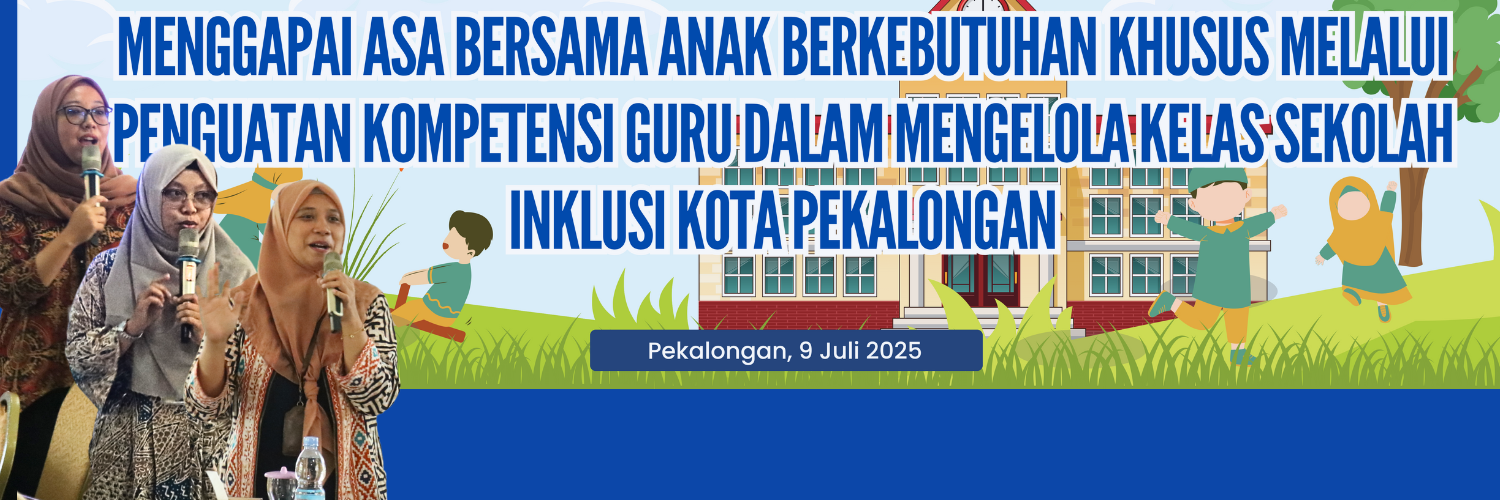
However, many elementary school teachers do not yet fully understand the appropriate approaches and strategies for managing inclusive classrooms. Limited knowledge, experience, and a lack of special training forums are among the main obstacles. To address these needs, the Faculty of Education and Psychology, Semarang State University (FIPP UNNES) held a community service activity in the form of a training session entitled “Reaching for Hope Together with Children with Special Needs through Strengthening Teacher Competence in Managing Inclusive Classrooms in Pekalongan City.”
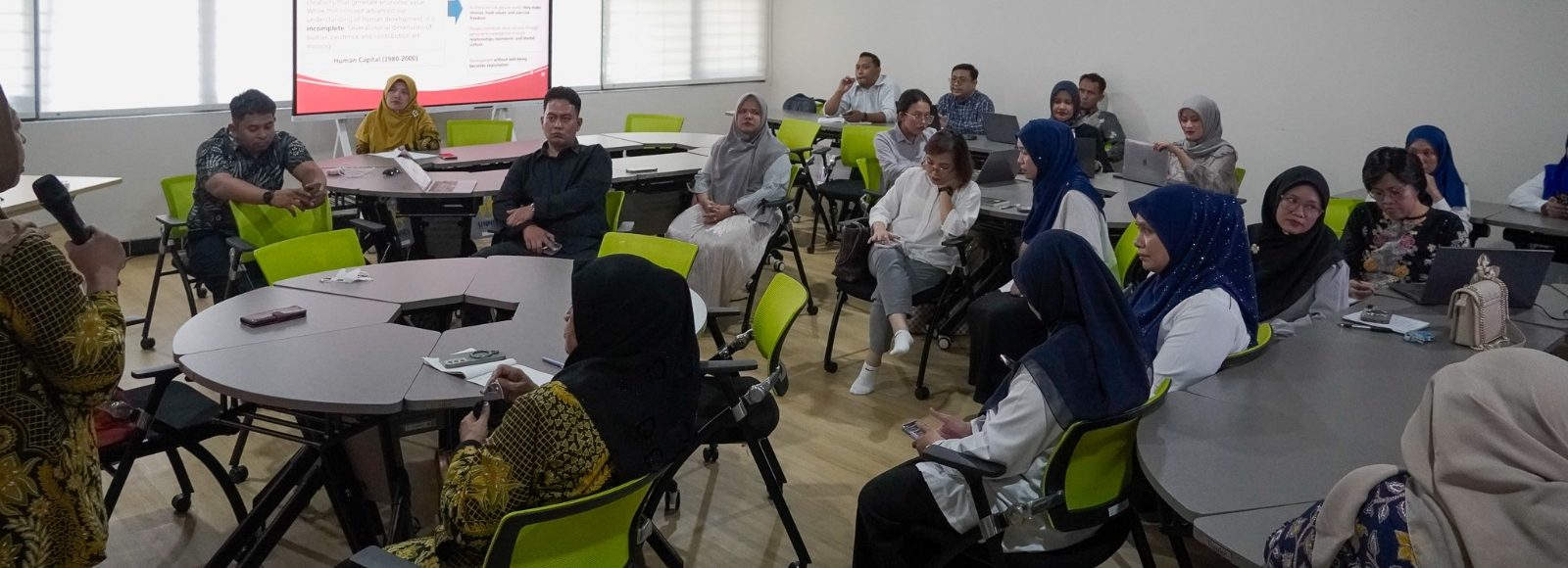
Held at the Pekalongan City Education Office Hall, this training was attended by 30 elementary school teachers from various inclusive schools. This activity is part of the FIPP UNNES lecturers’ community service program, which is funded by the faculty and aims to strengthen teachers’ capacity in applying the principles of inclusive education in the classroom.
The chairperson of the event, Woro Apriliana Sari, M.Psi., Psychologist, said that this event is expected to be a forum for increasing understanding and strengthening the role of teachers as facilitators of inclusive learning. “We don’t just want to equip teachers with theory, but also facilitate the process of reflection and practice, including mentoring after the training is complete,” she said.
The Acting Head of the Pekalongan City Education Office, Mabruri, who was present at the opening of the event, expressed his appreciation for this collaboration. “Currently, the Pekalongan City Government is working to strengthen inclusive education services. With a large number of students with special needs, this kind of training is very much needed to equip our teachers so that they are ready to carry out their roles in inclusive schools,” he explained.
Three Strategic Materials for One Inclusive Vision
This training featured three speakers from FIPP UNNES who presented thematic and applicable materials. The first material was presented by Laila Listiana Ulya, M.Psi., Psychologist, who reviewed the types of children with special needs through case studies. She emphasized that understanding individual characteristics is an important foundation in building an inclusive, responsive, and adaptive classroom.
The second material was presented by Hasna Pratiwi, M.Psi., Psychologist, who focused on positive support strategies for teachers. In her presentation, she invited participants to build empathetic relationships with students, apply a positive reinforcement approach, and create a safe and empowering learning environment for all students.
The third material was presented by Adelina Rahmawati, M.Psi., Psychologist, who discussed the development of Individual Learning Programs (PPI). She emphasized the importance of collaboration between teachers, parents, and experts so that the PPI developed is truly in line with the needs and potential of the child.
To ensure the sustainability of competency strengthening after the training, the community service team designed an online monitoring and discussion session facilitated by Edwindha Prafitra Nugraheni, M.Pd., Cons. This monitoring activity aims to facilitate reflection on classroom practices and assist teachers in facing real challenges during the school year.
The event closed with an open discussion, where teachers shared their experiences and challenges in managing inclusive classrooms. Some of the issues that arose included limited support resources, communication with parents, and curriculum adaptation.
Synergy between Academics and Local Government
This community service activity is a tangible manifestation of the synergy between UNNES and the Pekalongan City Government in its efforts to realize inclusive and equitable education. Through this collaboration, FIPP UNNES strives to bring the role of academics closer to the concrete needs of the community, especially in the world of basic education. The commitment to continue assisting teachers is part of a sustainable strategy that is expected to have a positive long-term impact on education in Pekalongan and its surrounding areas.