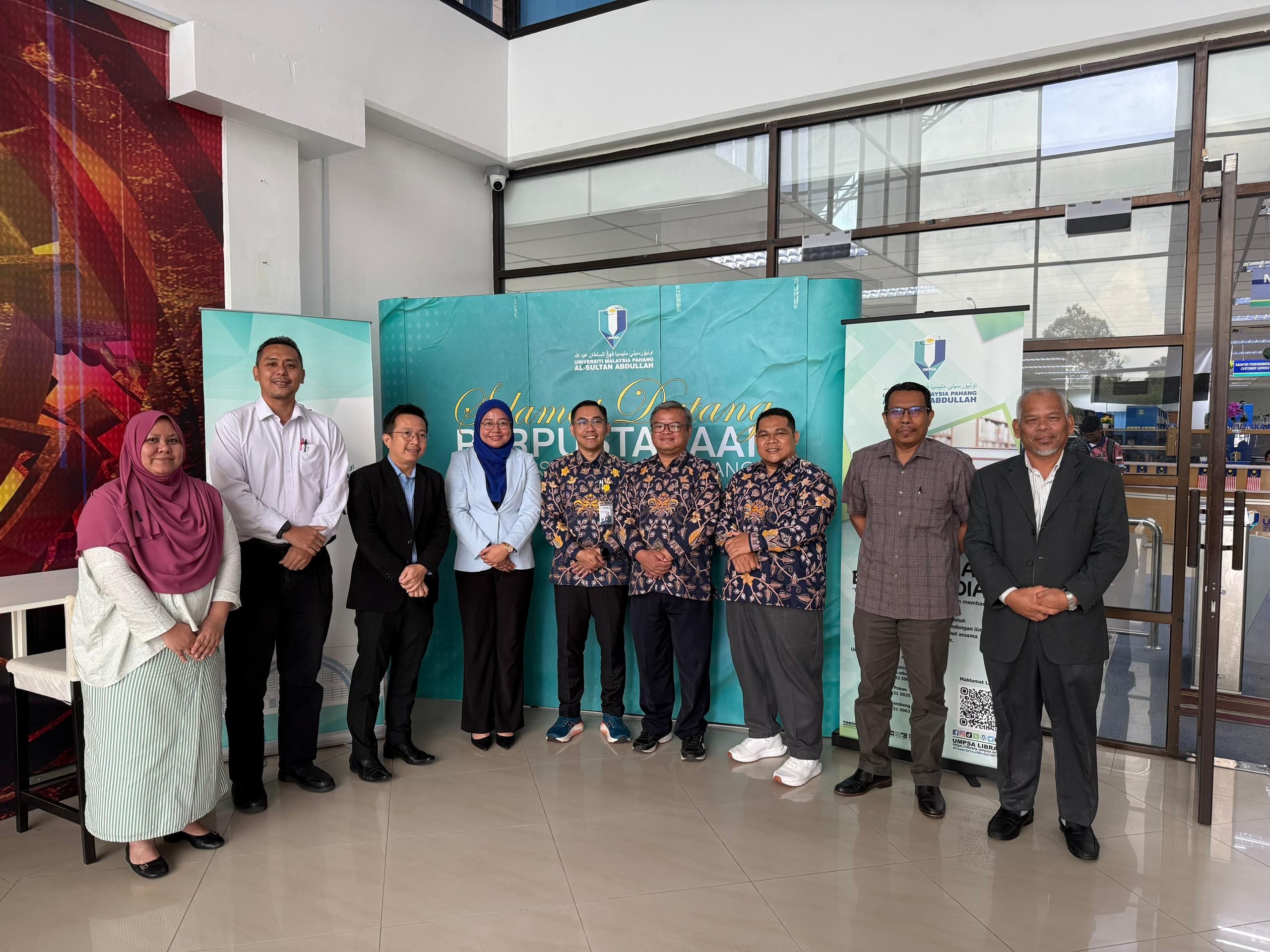
UNNES Collaborates Internationally to Develop Best Practices for Tackling the SDGs

Universitas Negeri Semarang > Sustainable Development Goals Universitas Negeri Semarang > News > News > UNNES Collaborates Internationally to Develop Best Practices for Tackling the SDGs

Universitas Negeri Semarang (UNNES) is at the forefront of global sustainability research through its active participation in international collaborations that review comparative approaches and develop best practices for achieving the Sustainable Development Goals (SDGs). The university leverages its SDGs Center to align with global partners in academia, government, and civil society, ensuring that local actions contribute to and align with international sustainability frameworks.

International Research Collaborations on SDG Strategies
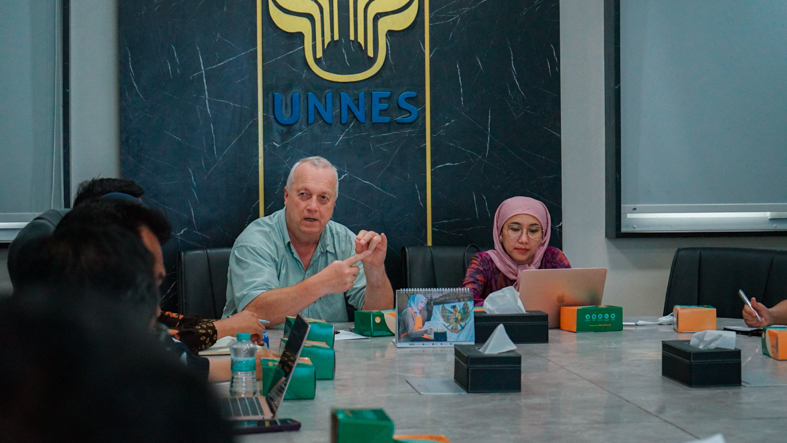
UNNES regularly partners with global universities, UN agencies, and international NGOs to critically review and develop best practices for SDG implementation. For example, in June 2024, UNNES researchers participated in the International Sustainability Conference in Berlin, alongside academic leaders from Germany, Australia, and South Korea. The focus was on comparative analysis of SDG 13 (Climate Action) strategies across different higher education systems and national contexts.

  • UNNES contributed research on campus-based climate change education, showcasing the Green Campus Initiative as a best practice in integrating SDG 13 into university operations and student curricula.
  • The university also presented a detailed analysis on local climate action strategies, specifically through water conservation efforts initiated at the university and across Semarang City in collaboration with local governments. These approaches have been recognized for their potential to be scaled and replicated in other cities.

This partnership provided comparative data on how different universities contribute to SDG 13 through both teaching and practical action, contributing to a global pool of knowledge that helps to refine policies and approaches for climate resilience in higher education institutions.

International Best Practices for SDG Policy and Governance

UNNES’s engagement also extends to developing best practices for SDG governance, particularly through collaborations with international bodies such as the UN Economic and Social Council (ECOSOC). In December 2024, the university participated in the Higher Education Sustainability Initiative (HESI) Global Forum in New York, which brought together over 600 delegates from 120 universities worldwide.

  • At the forum, UNNES proposed best practices for integrating SDG 4 (Quality Education) and SDG 17 (Partnerships for the Goals) into higher education curricula. The university presented findings from its own research, which show that incorporating SDG principles into core courses helps to foster long-term thinking about sustainability among students.
  • A key recommendation included data-driven policymaking where academic research, student projects, and community outreach directly inform local, regional, and national SDG policies. This integrated approach has been adopted as a model for partnership between government, academia, and civil society, pushing for a more holistic approach to sustainability governance.

Collaborative Research on Localizing SDGs in Southeast Asia

In 2024, UNNES began a joint research project with Thailand’s Chulalongkorn University and the University of Melbourne to analyze SDG localization strategies in Southeast Asia. The project aims to:

  • Compare regional variations in SDG implementation, specifically focusing on SDG 6 (Clean Water and Sanitation) and SDG 12 (Responsible Consumption and Production) in urban and rural contexts.
  • Develop shared policies and best practices for local governments to adopt sustainable water management systems, particularly in semi-arid regions of Indonesia and Thailand, where water conservation is critical.

By reviewing comparative approaches to water governance, the collaboration has resulted in the development of a comprehensive set of guidelines that promote community-based water management and reliable monitoring systems, which will be disseminated across ASEAN countries as part of the project’s final recommendations.
Related Posts

Leave a Reply

* Kode Akses Komentar:

* Tuliskan kode akses komentar diatas:

GDPR

  • Privacy Policy

Privacy Policy

At unnes.ac.id, the privacy of our visitors is of extreme importance to us. This privacy policy document outlines the types of personal information that is received and collected by unnes.ac.id and how it is used.

Log Files

Like many other Web sites, unnes.ac.id makes use of log files. The information inside the log files includes internet protocol (IP) addresses, type of browser, Internet Service Provider (ISP), date/time stamp, referring/exit pages, and number of clicks to analyze trends, administer the site, track user’s movement around the site, and gather demographic information. IP addresses and other such information are not linked to any information that is personally identifiable.

Cookies

unnes.ac.id uses cookies to store information about visitors’ preferences, to record user-specific information on which pages the site visitor accesses or visits, and to personalize or customize our web page content based upon visitors’ browser type or other information that the visitor sends via their browser.

Third-party ad servers or ad networks use technology in their respective advertisements and links that appear on unnes.ac.id and which are sent directly to your browser. They automatically receive your IP address when this occurs. Other technologies (such as cookies, JavaScript, or Web Beacons) may also be used by our site’s third-party ad networks to measure the effectiveness of their advertising campaigns and/or to personalize the advertising content that you see on the site.

unnes.ac.id has no access to or control over these cookies that are used by third-party advertisers.

You should consult the respective privacy policies of these third-party ad servers for more detailed information on their practices as well as for instructions about how to opt-out of certain practices. unnes.ac.id’s privacy policy does not apply to, and we cannot control the activities of, such other advertisers or web sites.

If you wish to disable cookies, you may do so through your individual browser options. More detailed information about cookie management with specific web browsers can be found at the browsers’ respective websites.

Consent

By using our website, you hereby consent to our privacy policy and agree to its terms.

Update

This Privacy Policy was last updated on: 2023-02-14. Should we update, amend or make any changes to our privacy policy, those changes will be posted here.

Contact Us

If you have any questions, comments, or concerns about our Privacy Policy or our practices with regards to your personal information, please feel free to contact us through the contact form on our website or by emailing us at humas[at]mail.unnes.ac.id.

This Privacy Policy is intended as a general guide to our practices in collecting and using information. If there is any inconsistency between this Privacy Policy and the terms of the Service Agreement or any other terms that may apply to specific services you use, then those specific service terms shall apply.

Terms of Use

By using our website, you agree to abide by this Privacy Policy. If you do not agree with this Privacy Policy, please do not use our website. We reserve the right to update this Privacy Policy from time to time without prior notice. Please review our Privacy Policy periodically to check for changes. Your continued use of our website following the posting of changes to this Privacy Policy means that you accept the changes.

Thank you for reading our Privacy Policy. We are committed to protecting the privacy of our website visitors and will continue to update our Privacy Policy to ensure optimal protection.