


Universitas Negeri Semarang (UNNES) has established a comprehensive institutional policy framework to ensure that all renovation and new building projects comply with national energy efficiency standards and sustainable construction principles. This commitment is formally outlined in the Rector’s Circular Letter Number B/28595/UN37/PA.00.00/2024 concerning Green Buildings at UNNES. The circular serves as a binding institutional directive that regulates the development, renovation, and maintenance of university infrastructure based on the smart and green building concept.
The policy emphasizes several key aspects of energy efficiency and sustainability in the physical development of the campus. It mandates the utilization of energy-efficient electrical systems, including LED lighting and inverter-based air conditioning units; the installation of solar panels on building rooftops to enhance the proportion of renewable energy use; the optimization of natural lighting and ventilation to reduce dependence on artificial systems; and the adoption of water-saving technologies, such as automatic sensor taps and low-flow fixtures. These measures collectively aim to minimize the university’s overall carbon footprint and operational energy consumption.
In alignment with national regulations, all design, construction, and renovation activities at UNNES must conform to the relevant Indonesian National Standards (SNI), specifically SNI 03-6197-2011 on Energy Conservation in Building Lighting System and SNI 03-6390-2011 on Energy Conservation in Building Ventilation System. These standards ensure that each project is assessed for its energy performance, envelope insulation, lighting efficiency, and mechanical systems. Compliance with these standards is a mandatory step before construction approval is granted.
UNNES Achieves Impressive 77.24% Efficiency with Energy-Saving Devices
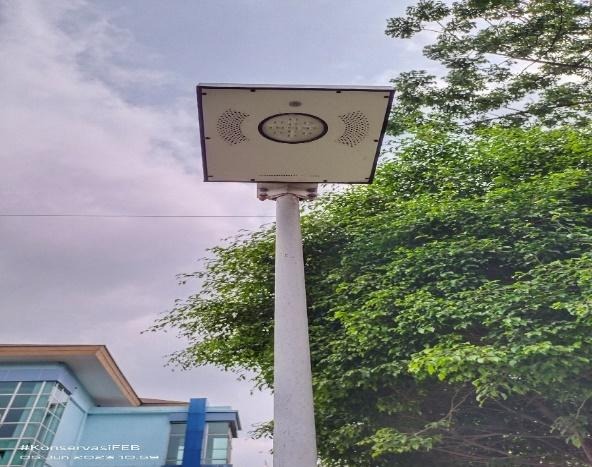
LED lighting has played a significant role in energy efficiency. Of the 78,342 installed lights, 99.73% are energy-efficient LED types. These lights are used in nearly every room, including classrooms, lobbies, and offices, providing more efficient lighting than conventional incandescent bulbs. In addition, garden lights equipped with solar panels support energy savings by operating only at night.
Reflectors installed across the campus also contribute to distributing light more effectively, with 96.78% of the 9,768 reflectors replaced by energy-efficient models. Energy-saving neon lights, such as the Philips Essential TL5 14W, enhance lighting efficiency in various campus areas.
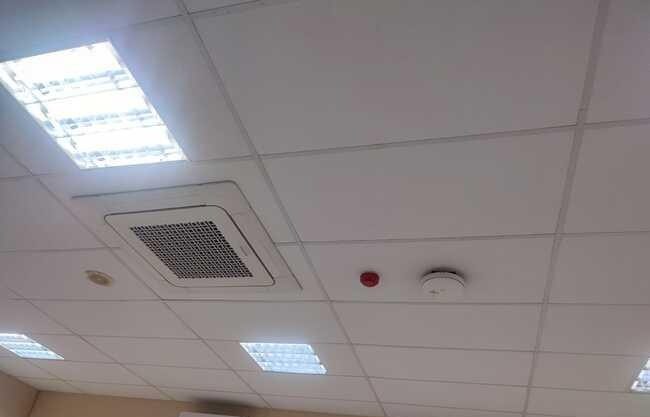
Regarding air conditioning, UNNES has replaced several conventional AC units with energy-efficient models equipped with digital inverters. Of the 1,231 installed AC units, 66.69% now use digital inverter technology, including 4-way cassette ACs that distribute air more evenly in large rooms and wall-mounted ACs with similar features, significantly reducing energy consumption.
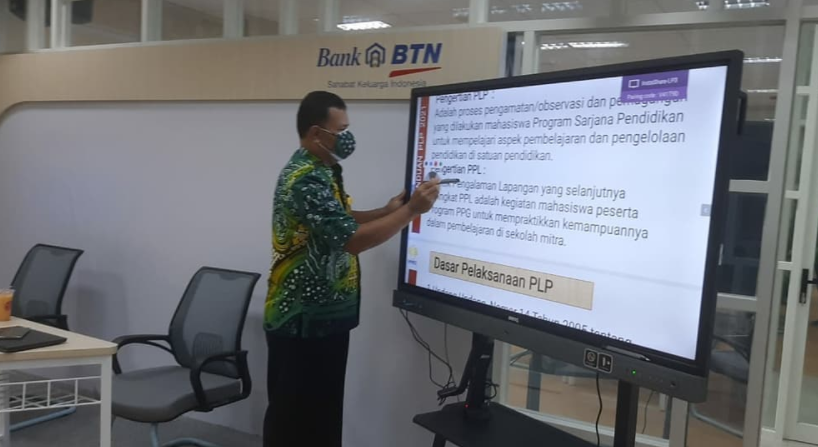
Moreover, UNNES has introduced innovations in presentation technology. LCD projectors are gradually being replaced by interactive smartboards that serve as projectors and displays. This reduces the need for separate manual projector screens, thereby saving energy.
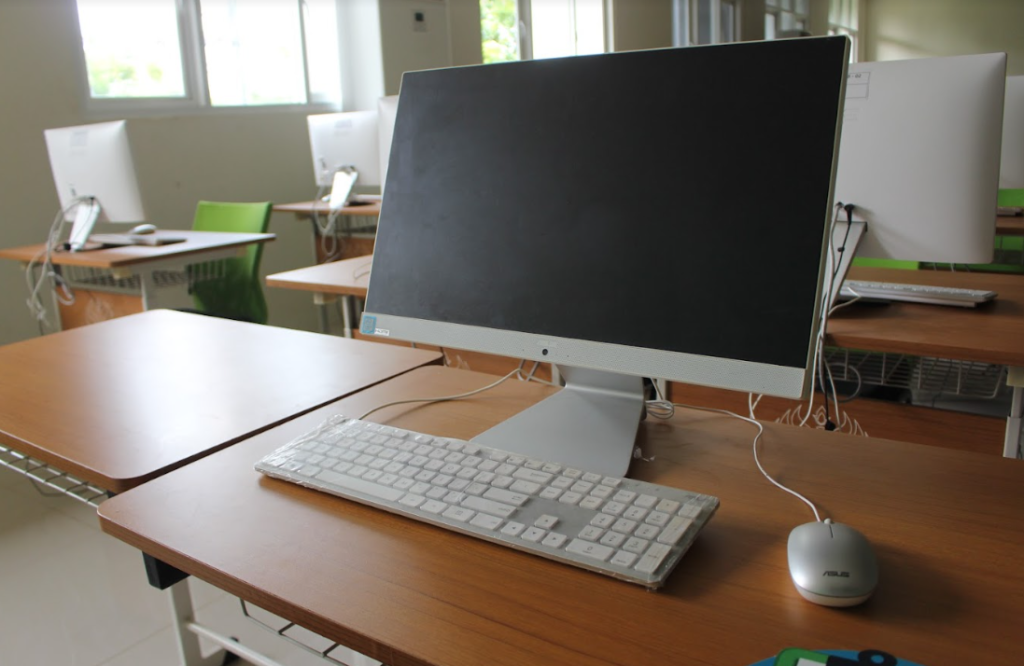
Additionally, the campus has replaced conventional desktop PCs in laboratories and offices with compact PCs that integrate the CPU and monitor into a single device. This change has reduced energy consumption by 68.28% across the 3,721 PCs in use on campus.
Overall, the average efficiency of energy-saving devices at UNNES has reached an impressive 77.24%. These efforts not only demonstrate UNNES’s commitment to environmental conservation but also pave the way for a more sustainable future, leveraging eco-friendly technology and contributing to national energy savings.
| Appliance | Total Number | Total number energy Efficient appliances | Percentage (%) |
| LED Lamp | 78,342 | 78,133 | 99.73 |
| Reflector | 9,768 | 9,453 | 96.78 |
| AC (Air Conditioner) | 1,231 | 821 | 66.69 |
| LCD Projector | 1,436 | 787 | 54.80 |
| PC (Personal Computer) | 3,721 | 2,534 | 68.28 |
| Average Percentage | 77.24 |