Institutional Recognition for Student Organizations, UNNES’ Commitment to Campus Democracy

Universitas Negeri Semarang > Sustainable Development Goals Universitas Negeri Semarang > SDGS Goals > SDG 16 - Peace, justice and strong institutions > Institutional Recognition for Student Organizations, UNNES’ Commitment to Campus Democracy

Universitas Negeri Semarang (UNNES) reaffirms its commitment to building an inclusive, democratic, and equitable system of university governance by officially recognizing independent student organizations within the university environment. This initiative reflects the principles of peace, justice, and strong institutions as outlined in Sustainable Development Goal (SDG) 16.

The policy was developed in response to the growing need for a more structured and legally grounded framework for student participation. Previously, several independent student organizations operated without a firm administrative basis, limiting their ability to function professionally and accountably. Through this institutional recognition, UNNES aims to broaden student participation in decision-making processes while fostering integrity, social responsibility, and transparency in campus life.

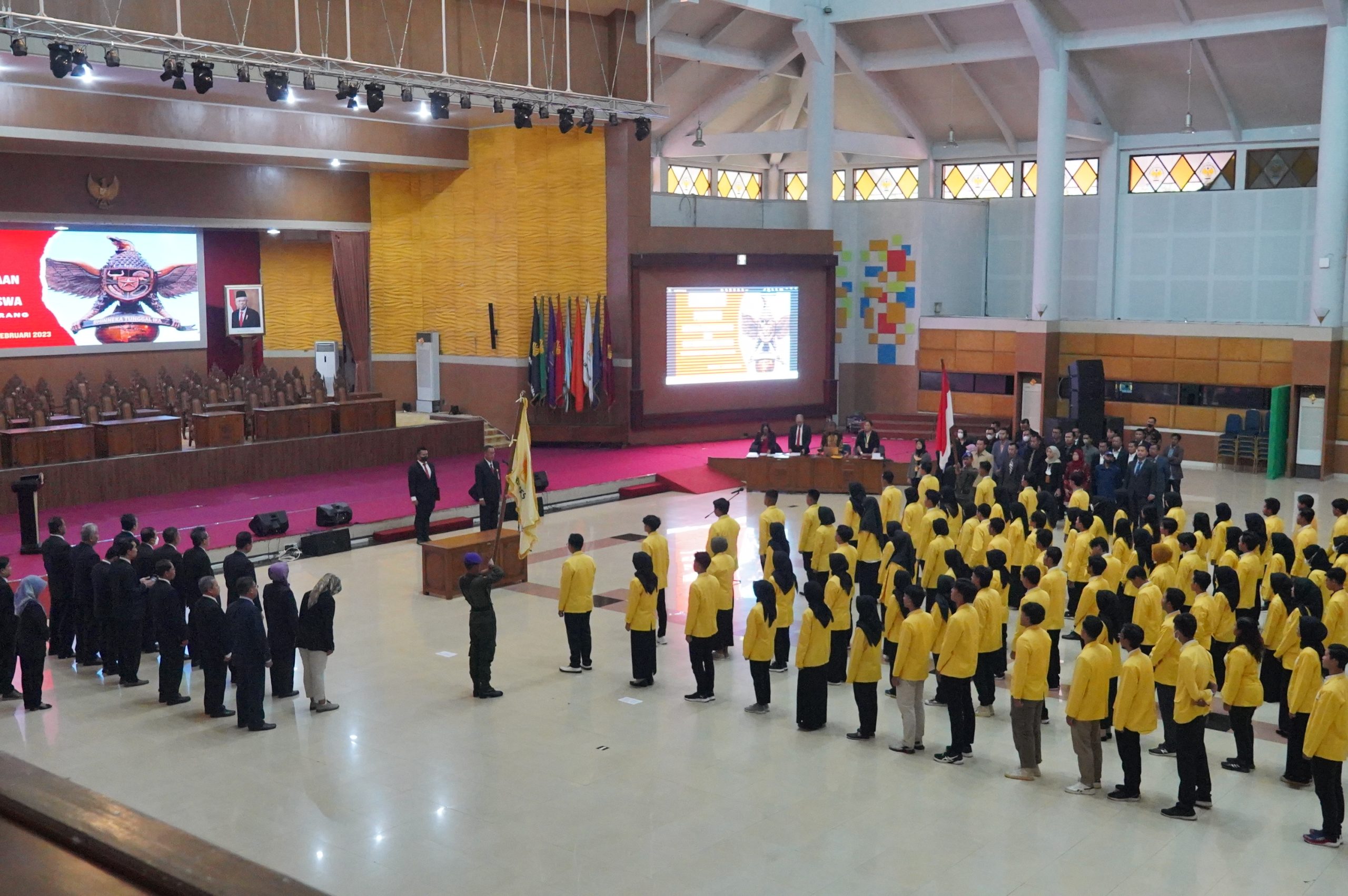
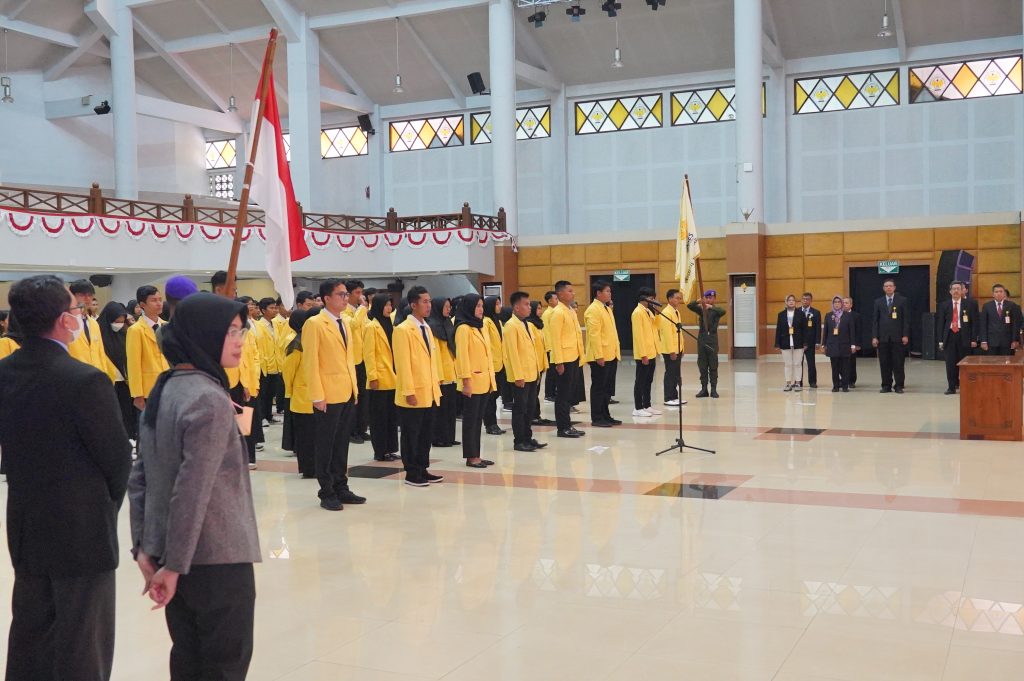
The formal recognition was established through the Rector’s Decree No. B/456/UN37/HK/2023 on the Dismissal and Appointment of Coordinators, Advisors, and Management of Student Institutions, Student Forums, and Student Activity Units for the 2023 Period. The decree officially recognizes 70 independent student organizations, involving more than 1,000 active students across various faculties and fields. This decree serves as the legal and administrative foundation for the professional and sustainable governance of student organizations.
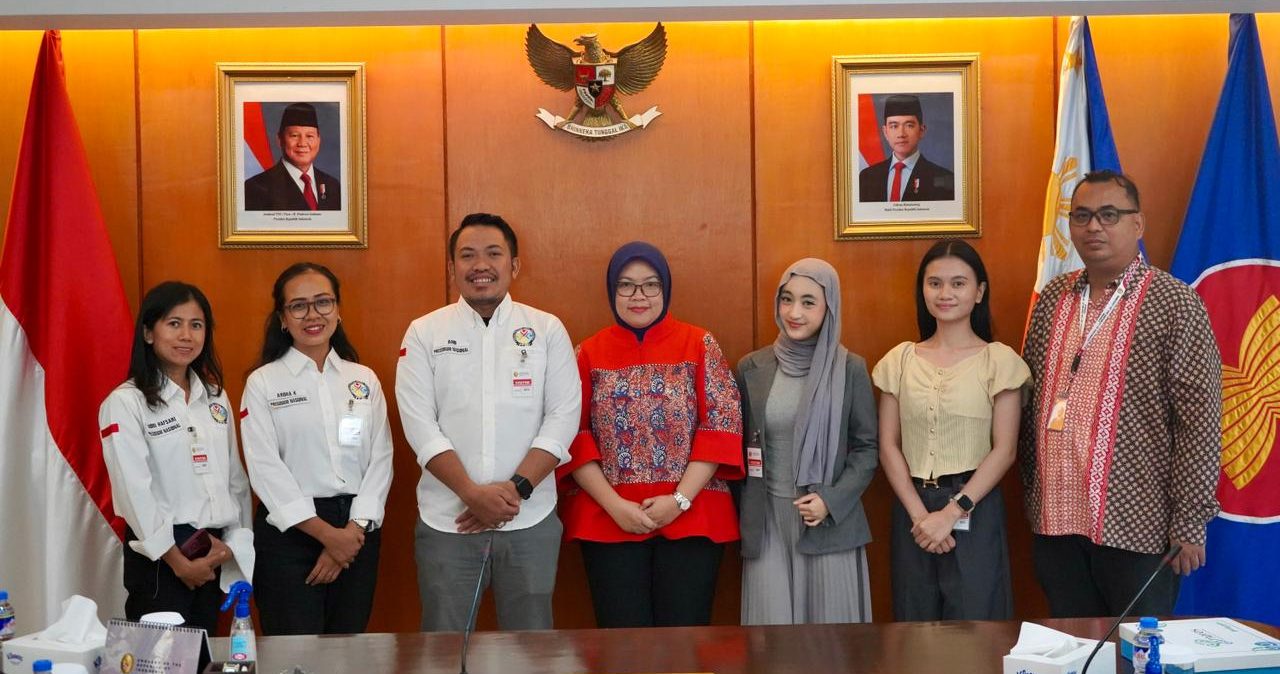
As part of the university’s governance structure, the University Board of Trustees (Majelis Wali Amanat/MWA) ensures the active involvement of student representatives in determining university policies. This representation mechanism guarantees that students have an equitable and legitimate voice alongside lecturers, education staff, and external members. Through the MWA, students are able to convey their aspirations directly within the highest decision-making body of the university. Their involvement reinforces transparency, strengthens anti-corruption values, and encourages participatory governance in alignment with the SDG 16.6 target to develop effective, accountable, and transparent institutions and SDG 16.7, which promotes responsive, inclusive, participatory, and representative decision-making at all levels.

This initiative provides students with broader opportunities to serve as active partners in university governance. Through formal recognition, student organizations gain access to capacity-building programs, funding mechanisms, and representative forums that strengthen their role as laboratories of democracy and leadership. This policy aligns with UNNES’s long-standing commitment to promoting inclusive, transparent, and participatory higher education governance.

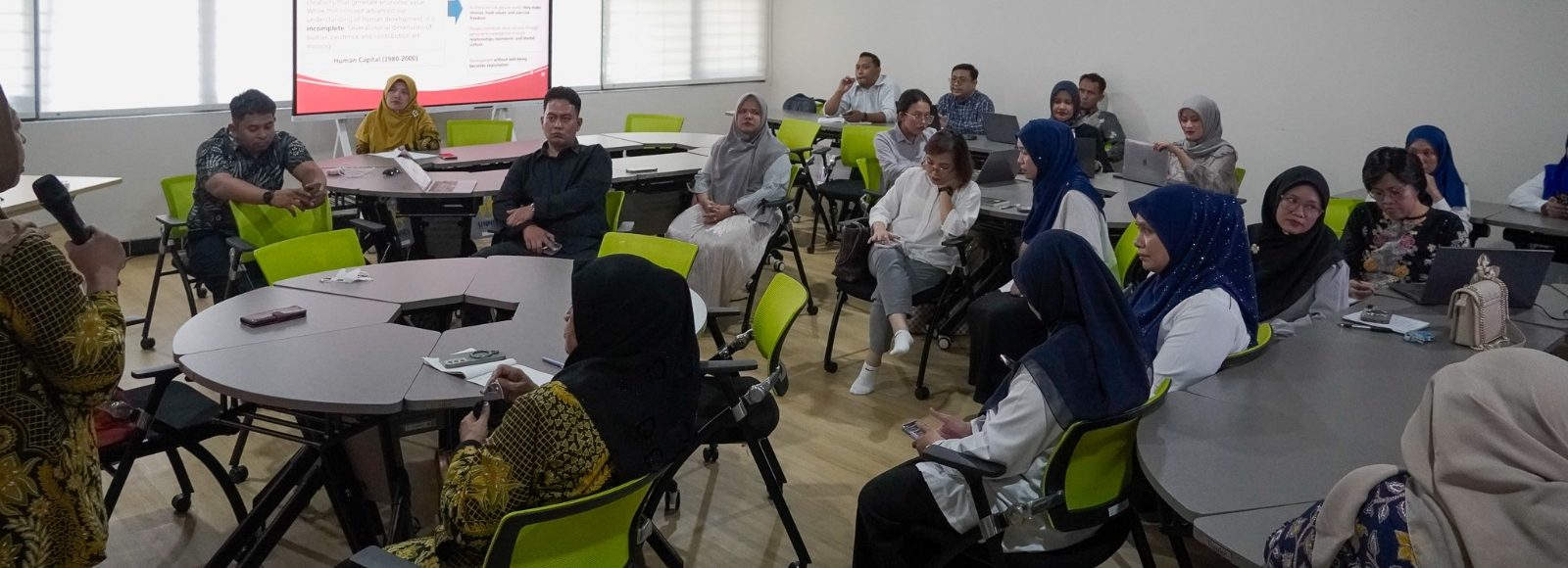
The policy’s impact is evident in the growing participation of students in policy dialogues, leadership development programs, and cross-faculty collaborations that promote social innovation. Through their organizations, students contribute to various community empowerment, environmental, and social initiatives that support the university’s sustainability agenda.

As part of its long-term sustainability strategy, UNNES will integrate this recognition system into annual student leadership training and institutional performance audits. By maintaining a governance framework grounded in law and participation, UNNES ensures the sustainability of student organizations as equal partners in building a democratic, transparent, and integrity-driven higher education ecosystem fully aligned with the values of SDG 16: Peace, Justice, and Strong Institutions.
Related Posts

Leave a Reply

* Kode Akses Komentar:

* Tuliskan kode akses komentar diatas:

GDPR

  • Privacy Policy

Privacy Policy

At unnes.ac.id, the privacy of our visitors is of extreme importance to us. This privacy policy document outlines the types of personal information that is received and collected by unnes.ac.id and how it is used.

Log Files

Like many other Web sites, unnes.ac.id makes use of log files. The information inside the log files includes internet protocol (IP) addresses, type of browser, Internet Service Provider (ISP), date/time stamp, referring/exit pages, and number of clicks to analyze trends, administer the site, track user’s movement around the site, and gather demographic information. IP addresses and other such information are not linked to any information that is personally identifiable.

Cookies

unnes.ac.id uses cookies to store information about visitors’ preferences, to record user-specific information on which pages the site visitor accesses or visits, and to personalize or customize our web page content based upon visitors’ browser type or other information that the visitor sends via their browser.

Third-party ad servers or ad networks use technology in their respective advertisements and links that appear on unnes.ac.id and which are sent directly to your browser. They automatically receive your IP address when this occurs. Other technologies (such as cookies, JavaScript, or Web Beacons) may also be used by our site’s third-party ad networks to measure the effectiveness of their advertising campaigns and/or to personalize the advertising content that you see on the site.

unnes.ac.id has no access to or control over these cookies that are used by third-party advertisers.

You should consult the respective privacy policies of these third-party ad servers for more detailed information on their practices as well as for instructions about how to opt-out of certain practices. unnes.ac.id’s privacy policy does not apply to, and we cannot control the activities of, such other advertisers or web sites.

If you wish to disable cookies, you may do so through your individual browser options. More detailed information about cookie management with specific web browsers can be found at the browsers’ respective websites.

Consent

By using our website, you hereby consent to our privacy policy and agree to its terms.

Update

This Privacy Policy was last updated on: 2023-02-14. Should we update, amend or make any changes to our privacy policy, those changes will be posted here.

Contact Us

If you have any questions, comments, or concerns about our Privacy Policy or our practices with regards to your personal information, please feel free to contact us through the contact form on our website or by emailing us at humas[at]mail.unnes.ac.id.

This Privacy Policy is intended as a general guide to our practices in collecting and using information. If there is any inconsistency between this Privacy Policy and the terms of the Service Agreement or any other terms that may apply to specific services you use, then those specific service terms shall apply.

Terms of Use

By using our website, you agree to abide by this Privacy Policy. If you do not agree with this Privacy Policy, please do not use our website. We reserve the right to update this Privacy Policy from time to time without prior notice. Please review our Privacy Policy periodically to check for changes. Your continued use of our website following the posting of changes to this Privacy Policy means that you accept the changes.

Thank you for reading our Privacy Policy. We are committed to protecting the privacy of our website visitors and will continue to update our Privacy Policy to ensure optimal protection.