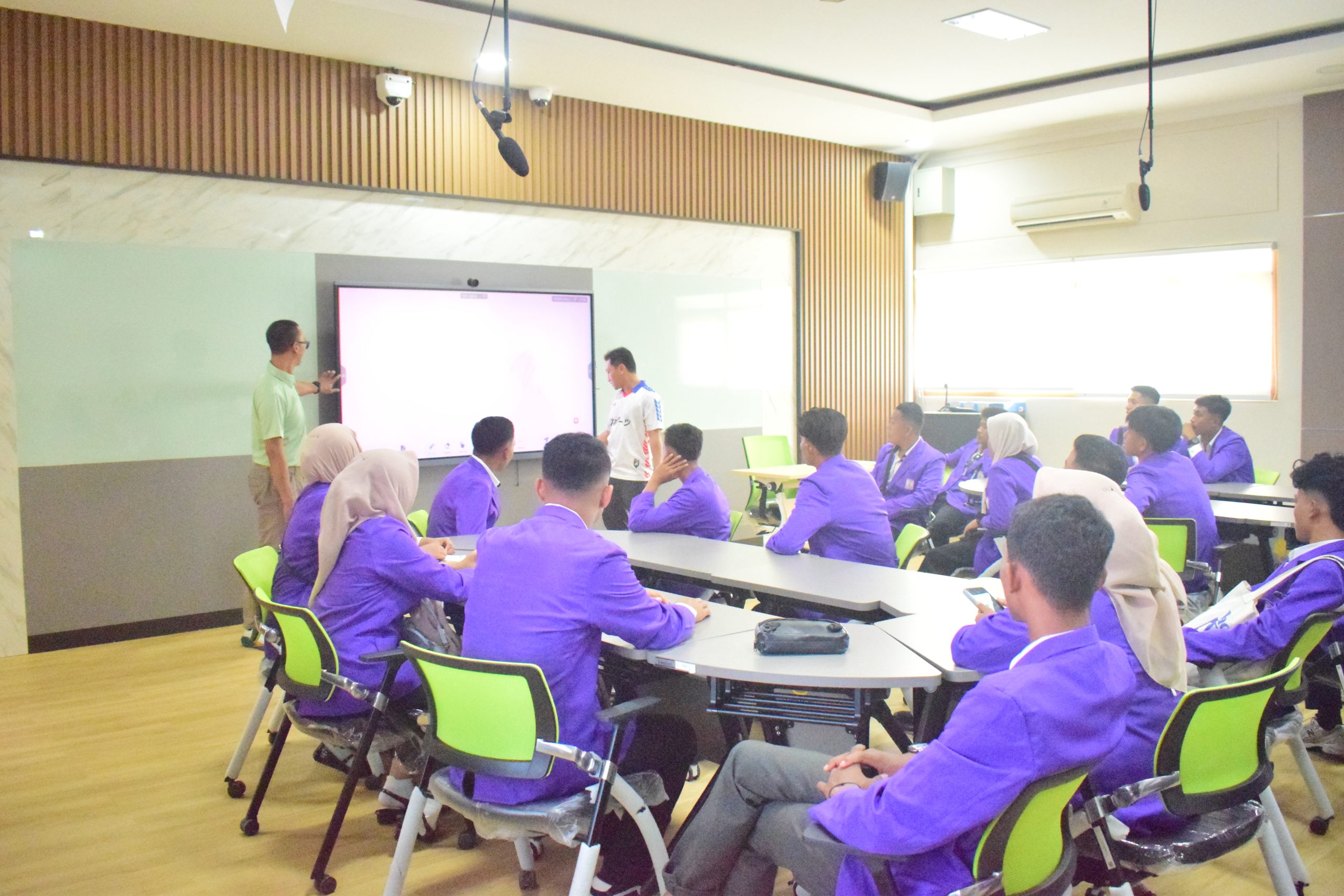
Wednesday, January 14, 2026, the Faculty of Sports Science (FIK) of Semarang State University (UNNES) became the destination for the Field Work Study (KKL) activity of students from the Physical Education Study Program, FKIP, Aisyah Pringsewu University, Lampung.
This activity is part of an effort to broaden academic horizons while providing students with direct field experience. The visit was attended by 43 students accompanied by two supervising lecturers.
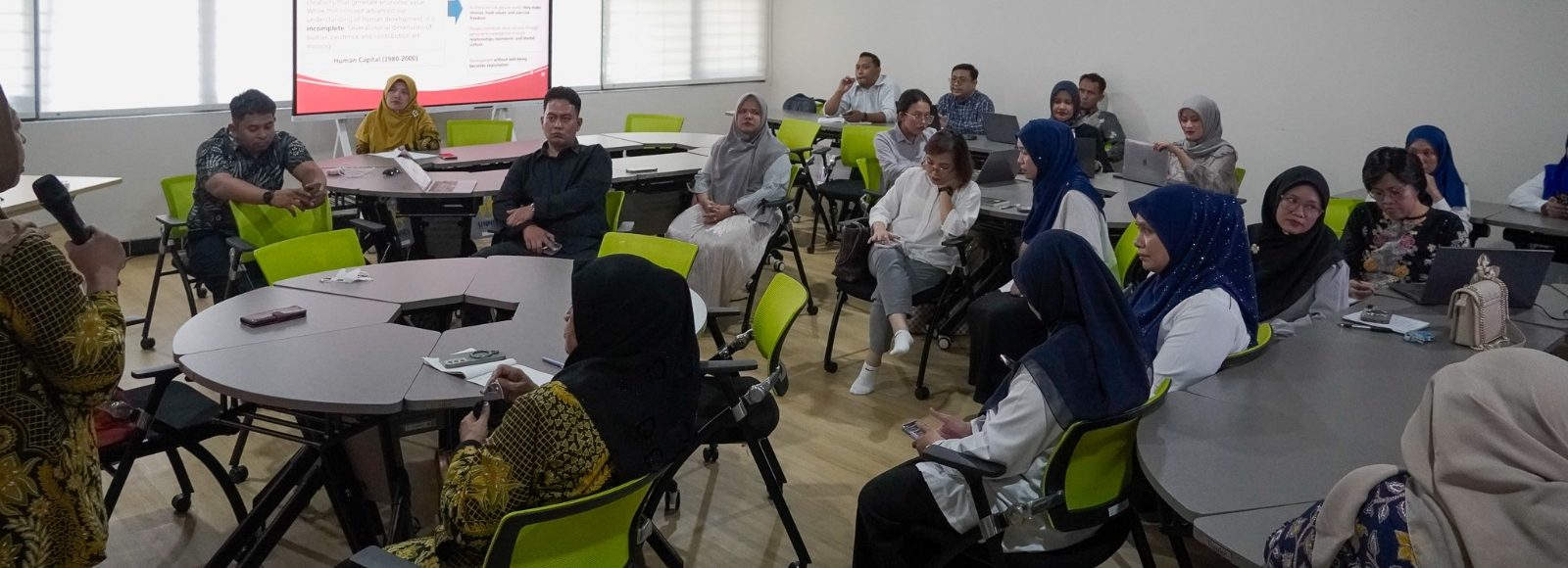
On this occasion, the students received a comprehensive presentation on the profile of the Faculty, the learning system, facilities and infrastructure, as well as the academic management applied at FIK UNNES.
Mr. Satria Armanjaya, M.Pd, a supervising lecturer from Aisyah Pringsewu University, said in his speech that this KKL activity was expected to provide new insights and enrich students’ learning experiences through direct observation of academic management in higher education. He also emphasized the importance of this activity as a means of contextual learning that can support the improvement of student competence.
Meanwhile, the Dean of FIK UNNES, Dr. Taufiq Hidayah, M.Kes., welcomed the visit and expressed hope that this KKL activity could serve as the first step toward establishing sustainable academic collaboration between the two institutions.
The series of activities concluded with a tour of the lecture support facilities and a campus tour, providing a direct glimpse into the atmosphere and academic culture at Semarang State University.
The Field Study Program (KKL) activities of students from the Physical Education Study Program, Faculty of Teacher Training and Education, Aisyah Pringsewu University to the Faculty of Sports Science (FIK) UNNES are aligned with the Sustainable Development Goals, particularly SDG 4 (Quality Education) and SDG 17 (Partnerships for the Goals).
These activities provide students with direct experiential learning opportunities that broaden their academic insight as well as their understanding of practical higher education management, thereby supporting the improvement of student competencies and the overall quality of learning. This is in line with the targets of SDG 4, especially in enhancing the quality of higher education through contextual and applied learning experiences. Furthermore, the program reflects the spirit of SDG 17 by fostering collaboration between universities as an initial step toward sustainable academic partnerships, while encouraging the exchange of knowledge, best practices, and the strengthening of institutional networks.