Universitas Negeri Semarang > Sustainable Development Goals Universitas Negeri Semarang > SDGS Goals > SDG 16 - Peace, justice and strong institutions > Guidance and Counseling Symposium Encourages Deep Learning for Student Independence and Psychological Well-being

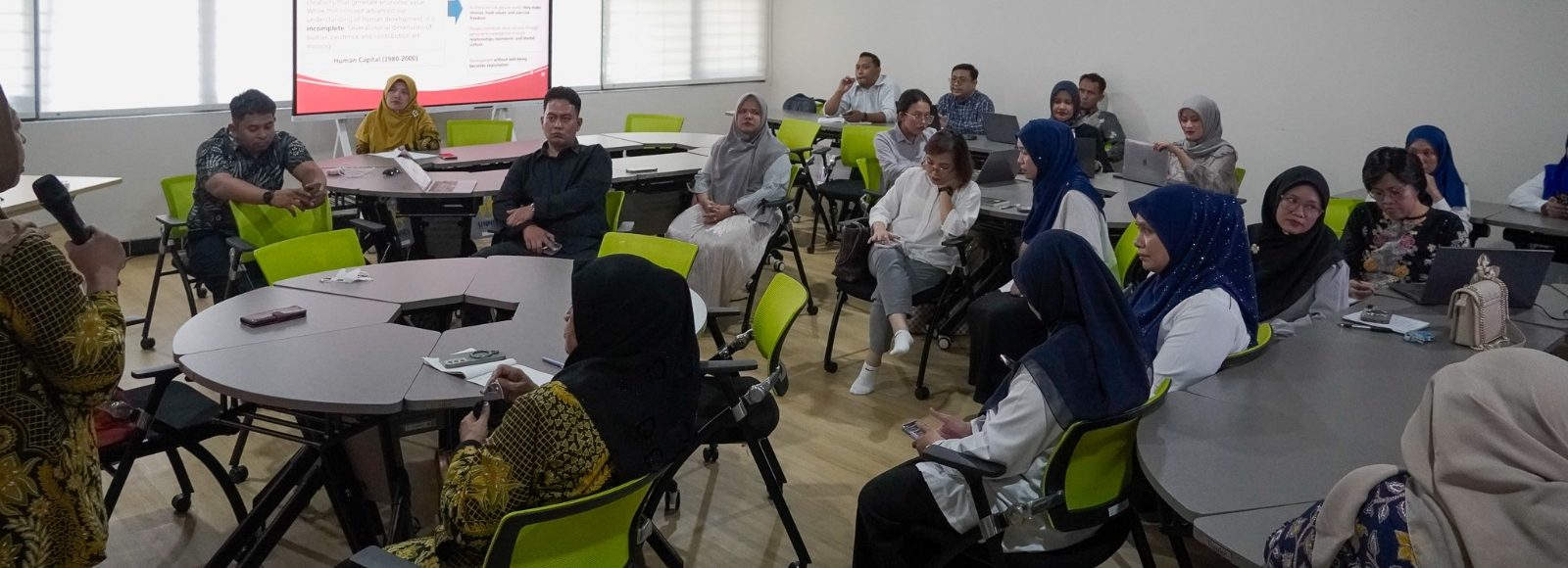
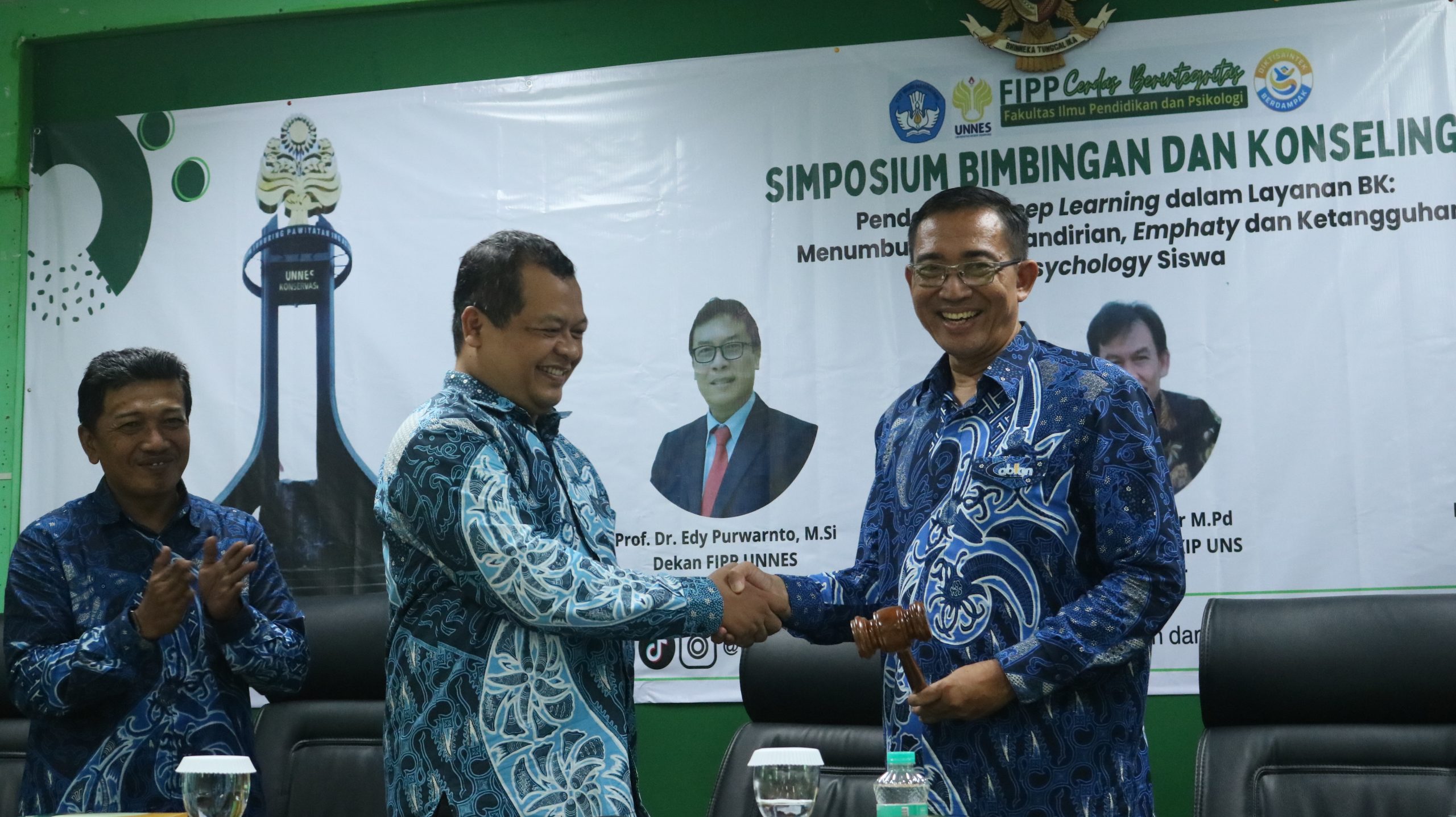
Semarang, November 22, 2025, Universitas Negeri Semarang through the Guidance and Counseling Study Program in collaboration with PD ABKIN Central Java and Muria Kudus University held a Regional Conference and Guidance and Counseling Symposium with the theme “Deep Learning Approach in Guidance and Counseling Services: Fostering Independence, Empathy, and Psychological Resilience in Students.”

This event was attended by hundreds of participants consisting of guidance counselors, MGBK administrators, academics, students, and education practitioners. Present as speakers were Prof. Dr. Edy Purwanto, M.Si.; Dr. Naharus Surur, M.Pd.; and Dr. Tri Widati S.A., M.Pd.
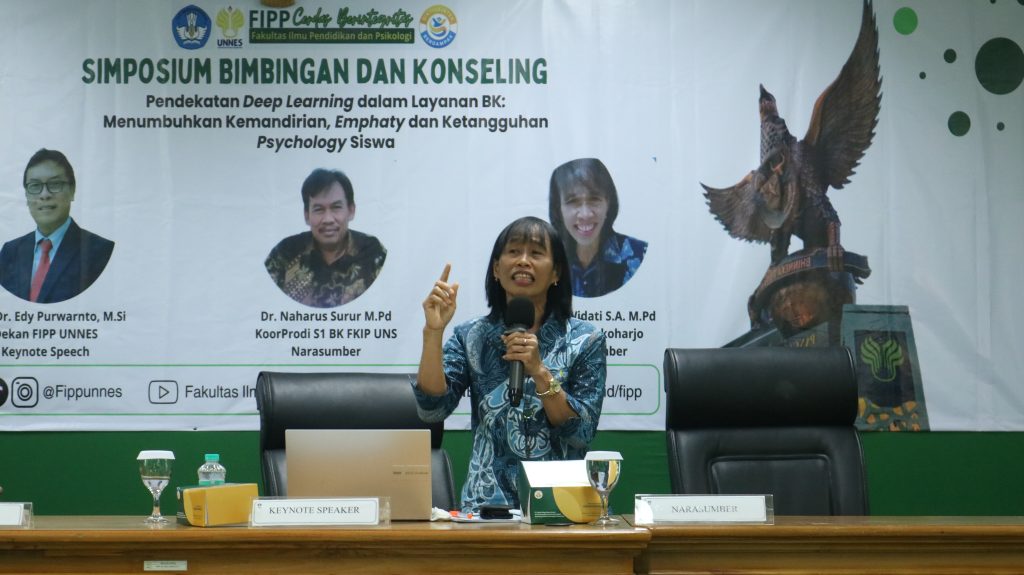
The speaker Dr. Tri Widati S.A., M.Pd.
Source: UNNES’ documentation


In his keynote speech, Prof. Dr. Edy Purwanto said that guidance counseling services play a strategic role in shaping Indonesia’s golden generation through the development of students’ intellectual, social, moral, spiritual, and physical aspects. According to him, the Deep Learning approach enables students to become independent learners and develop social awareness through a conscious, meaningful, and enjoyable learning process.

This symposium also emphasized the importance of Social Emotional Learning (SEL) in counseling practices, such as emotion mapping, debriefing circles, reflective dialogue journals, role play, and digital reflection platforms. These models are believed to improve students’ ability to recognize and manage emotions, build healthy interpersonal relationships, and strengthen psychological resilience.
The Regional Conference and Guidance and Counseling Symposium contributed directly to the achievement of the Sustainable Development Goals (SDGs). First, by strengthening guidance and counseling services based on social-emotional learning, this activity promoted the psychological well-being of students in line with SDG 3 Good Health and Well-Being.

Second,the Deep Learning approach in guidance and counseling services strengthens quality, relevant, and inclusive educational practices, thereby supporting SDG 4 Quality Education. Third, service models that prioritize empathy, healthy communication, reflection, and conflict resolution help build a peaceful and equitable school ecosystem, in line with SDG 16 Peace, Justice and Strong Institutions. Finally, the symposium, held through a partnership between PD ABKIN Central Java, UNNES, Muria Kudus University, and other education stakeholders, reflects a strategic collaboration that strengthens SDG 17 Partnerships for the Goals as a manifestation of a shared commitment to advancing the quality of education and the welfare of students in Indonesia.

This symposium resulted in a joint commitment to strengthen the implementation of Deep Learning in guidance and counseling services in schools. Participants agreed on the importance of increasing the capacity of guidance counselors through continuous training and professional forums, as well as the need for research and academic partnerships to enrich service models that are relevant to the needs of students. In addition, the symposium emphasized that social-emotional learning-based guidance and counseling services need to be implemented in a structured manner from elementary to secondary education so that their benefits can be widely felt. Another recommendation that emerged was the integration of student psychological well-being indicators into child-friendly school programs as an effort to ensure that every student grows up with healthy and continuous emotional, social, and academic support.

Through this activity, UNNES reaffirms its commitment as a conservation campus that supports sustainable development, particularly in improving the quality of education and strengthening the welfare of students.
Related Posts

Leave a Reply

* Kode Akses Komentar:

* Tuliskan kode akses komentar diatas:

GDPR

  • Privacy Policy

Privacy Policy

At unnes.ac.id, the privacy of our visitors is of extreme importance to us. This privacy policy document outlines the types of personal information that is received and collected by unnes.ac.id and how it is used.

Log Files

Like many other Web sites, unnes.ac.id makes use of log files. The information inside the log files includes internet protocol (IP) addresses, type of browser, Internet Service Provider (ISP), date/time stamp, referring/exit pages, and number of clicks to analyze trends, administer the site, track user’s movement around the site, and gather demographic information. IP addresses and other such information are not linked to any information that is personally identifiable.

Cookies

unnes.ac.id uses cookies to store information about visitors’ preferences, to record user-specific information on which pages the site visitor accesses or visits, and to personalize or customize our web page content based upon visitors’ browser type or other information that the visitor sends via their browser.

Third-party ad servers or ad networks use technology in their respective advertisements and links that appear on unnes.ac.id and which are sent directly to your browser. They automatically receive your IP address when this occurs. Other technologies (such as cookies, JavaScript, or Web Beacons) may also be used by our site’s third-party ad networks to measure the effectiveness of their advertising campaigns and/or to personalize the advertising content that you see on the site.

unnes.ac.id has no access to or control over these cookies that are used by third-party advertisers.

You should consult the respective privacy policies of these third-party ad servers for more detailed information on their practices as well as for instructions about how to opt-out of certain practices. unnes.ac.id’s privacy policy does not apply to, and we cannot control the activities of, such other advertisers or web sites.

If you wish to disable cookies, you may do so through your individual browser options. More detailed information about cookie management with specific web browsers can be found at the browsers’ respective websites.

Consent

By using our website, you hereby consent to our privacy policy and agree to its terms.

Update

This Privacy Policy was last updated on: 2023-02-14. Should we update, amend or make any changes to our privacy policy, those changes will be posted here.

Contact Us

If you have any questions, comments, or concerns about our Privacy Policy or our practices with regards to your personal information, please feel free to contact us through the contact form on our website or by emailing us at humas[at]mail.unnes.ac.id.

This Privacy Policy is intended as a general guide to our practices in collecting and using information. If there is any inconsistency between this Privacy Policy and the terms of the Service Agreement or any other terms that may apply to specific services you use, then those specific service terms shall apply.

Terms of Use

By using our website, you agree to abide by this Privacy Policy. If you do not agree with this Privacy Policy, please do not use our website. We reserve the right to update this Privacy Policy from time to time without prior notice. Please review our Privacy Policy periodically to check for changes. Your continued use of our website following the posting of changes to this Privacy Policy means that you accept the changes.

Thank you for reading our Privacy Policy. We are committed to protecting the privacy of our website visitors and will continue to update our Privacy Policy to ensure optimal protection.