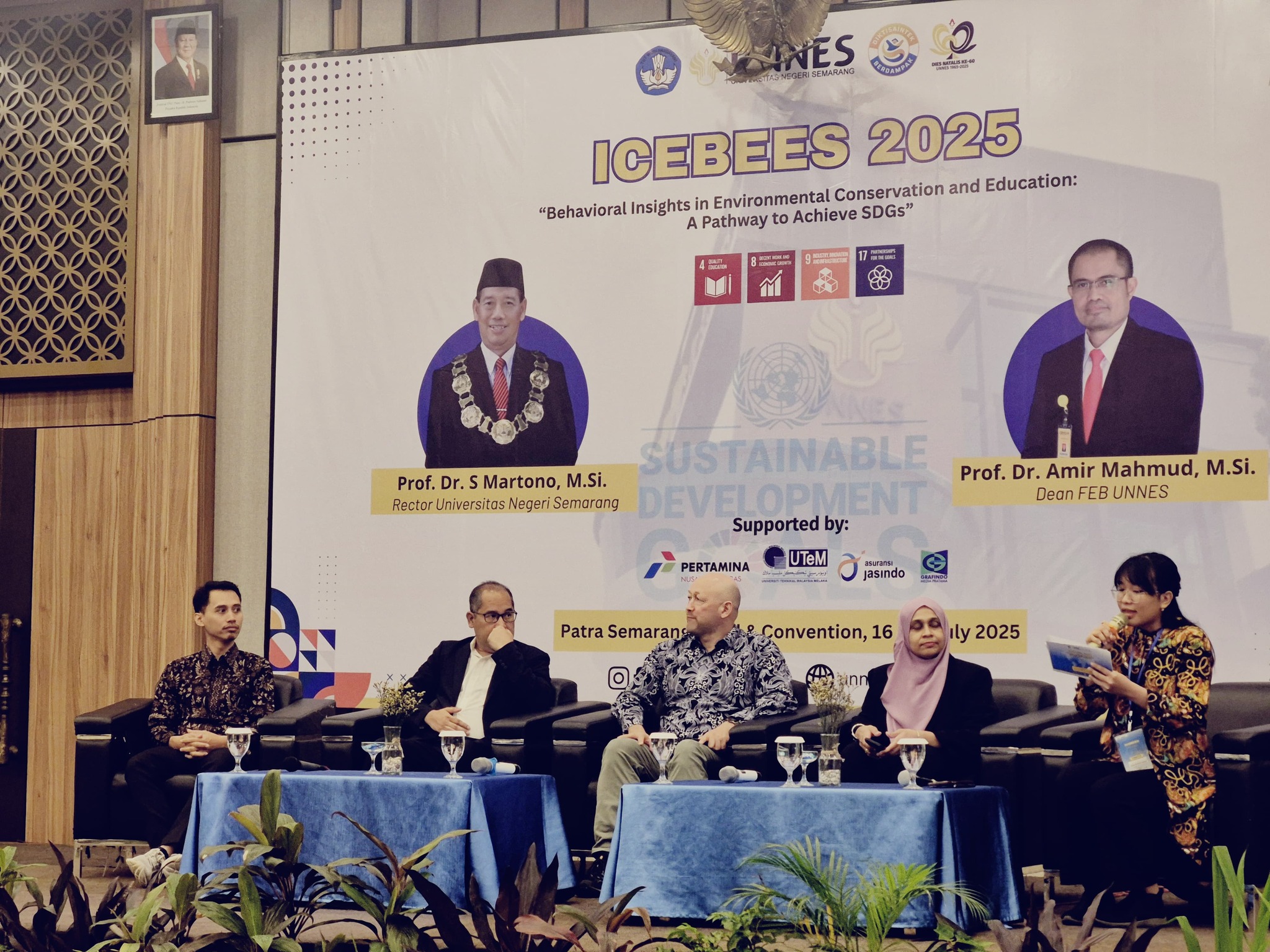
The Faculty of Economics and Business, Semarang State University (FEB UNNES) successfully held the International Conference on Economics, Business, and Economic Education (ICE-BEES 2025) with the theme “Behavioral Insights in Environmental Conservation and Education: A Pathway to Achieve SDGs.” The event, held at the Patra Semarang Hotel & Convention, attracted domestic participants and received special appreciation and coverage from the School of Distance Education, Universiti Sains Malaysia (PPPJJ USM), one of its strategic partners.
The conference was attended by 129 participants from three countries: Indonesia, Libya, and Pakistan, consisting of academics, researchers, and practitioners in economics, business, and education. Renowned speakers included Prof. Alex Lechner (Monash University), Prof. Dr. Husaina Banu (University of Malaya), and Dr. Avi Budi Setiawan (UNNES), who enriched the discussion with various innovative perspectives. Key topics covered included nature-based solutions to climate change, digital financial literacy, and green economy strategies in Central Java towards 2045.
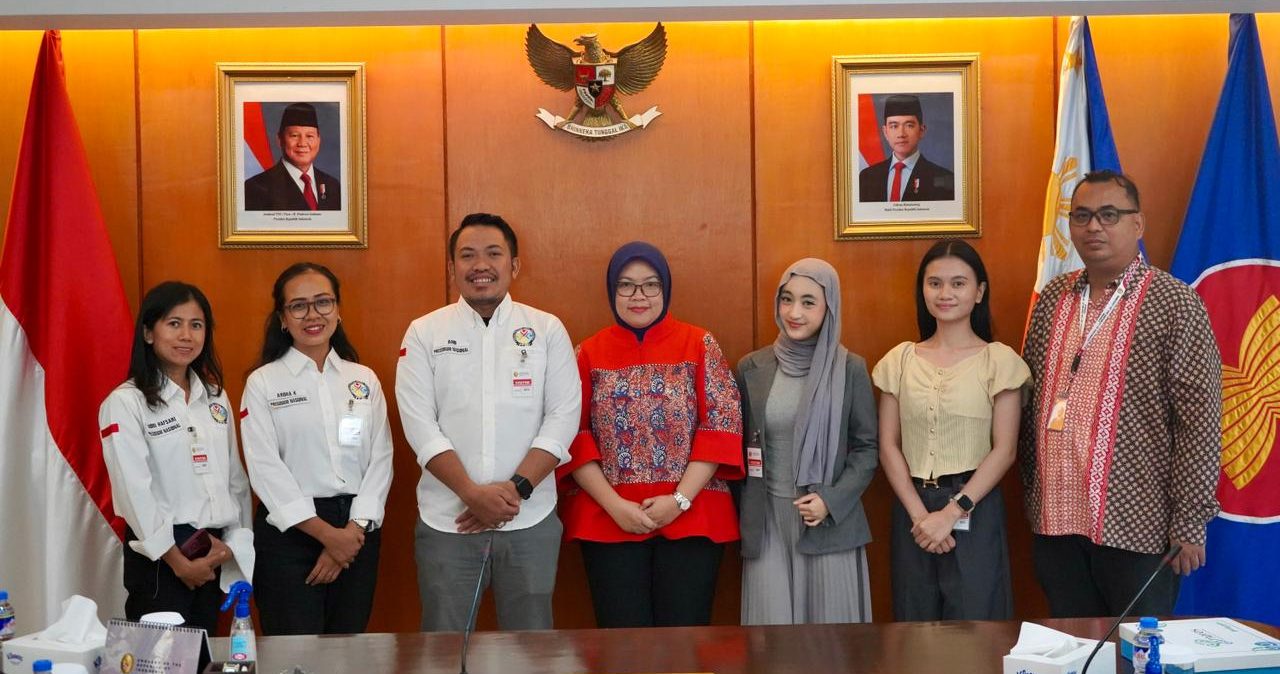
The USM PPPJJ, which was also involved as a speaker through Assoc. Prof. Dr. Zuhaidi Yaacob also publicized the event on their official platform. In their report, USM highlighted the success of ICE-BEES 2025 as a platform for global collaboration to achieve the Sustainable Development Goals (SDGs). They also commended UNNES’s commitment to promoting behavioral economics-based research and sustainability education. “This conference reflects USM’s commitment to impactful research, regional collaboration, and global sustainability,” the USM PPPJJ official released. This support further solidifies ICE-BEES’ position as one of Southeast Asia’s leading international conferences focusing on green economy and behavioral science issues.
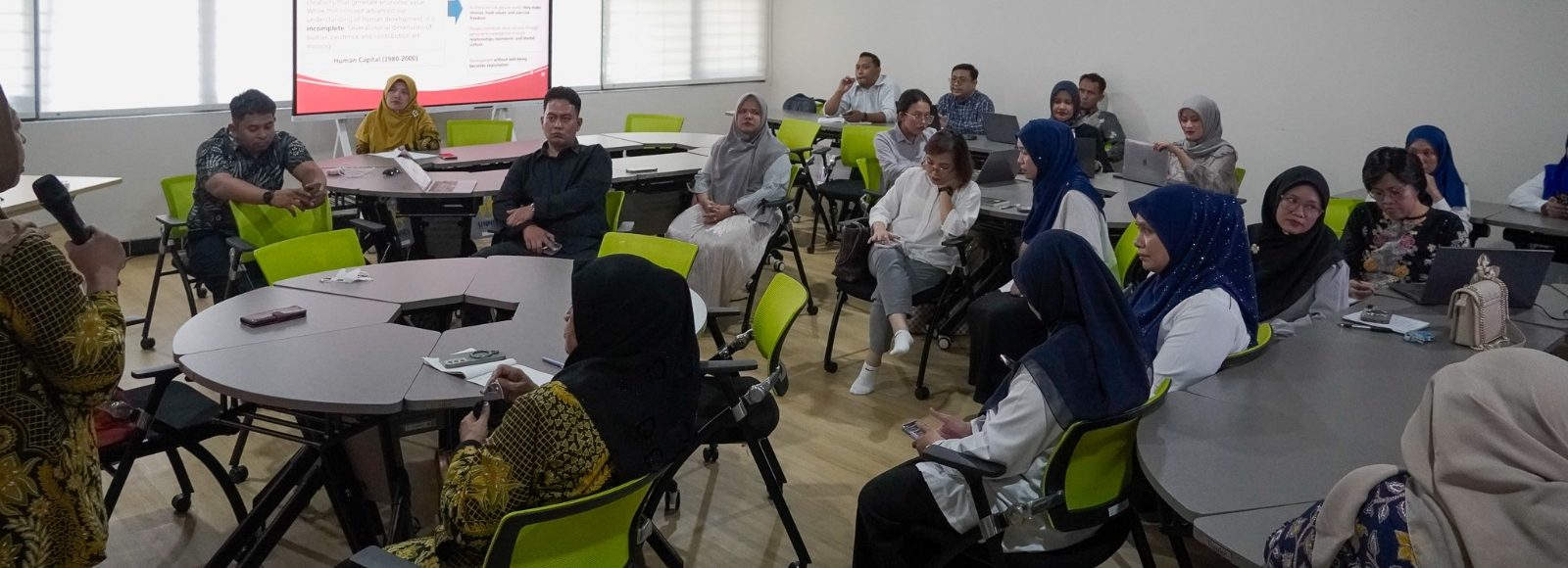
In addition to scientific discussions, the conference also serves as a platform for publishing top research in international journals, including the Scopus-indexed IOP Conference Series. This provides added value for participants seeking to expand the impact of their research. With the high enthusiasm of participants and the support of prestigious institutions like USM, ICE-BEES 2025 not only succeeded in creating a dynamic discussion space but also opened the door for future collaboration on research and sustainable policy. This event proves that collective efforts across countries and disciplines are crucial for realizing inclusive and environmentally friendly development.
The ICE-BEES 2025 conference contributes explicitly to achieving several Sustainable Development Goals (SDGs). First, the conference’s central theme, behavioral economics in education, is closely related to SDG 4 (Quality Education), where speakers emphasized the importance of integrating sustainability principles into educational curricula to foster environmentally friendly mindsets and behaviors. Second, discussions on the green economy and sustainable business align with SDG 8 (Decent Work and Economic Growth), focusing on creating green jobs through sustainable entrepreneurship. Third, discussions on behavior-based innovation for infrastructure and industry support SDG 9 (Industry, Innovation, and Infrastructure), particularly in applying technological solutions to reduce environmental impact. Finally, the international collaboration at this conference reflects the spirit of SDG 17 (Partnerships for the Goals), which strengthens cooperation between countries and across sectors to accelerate the implementation of the global sustainability agenda. Through this multidisciplinary approach, ICE-BEES 2025 serves not only as a platform for exchanging ideas but also as a platform for concrete action towards more sustainable development.