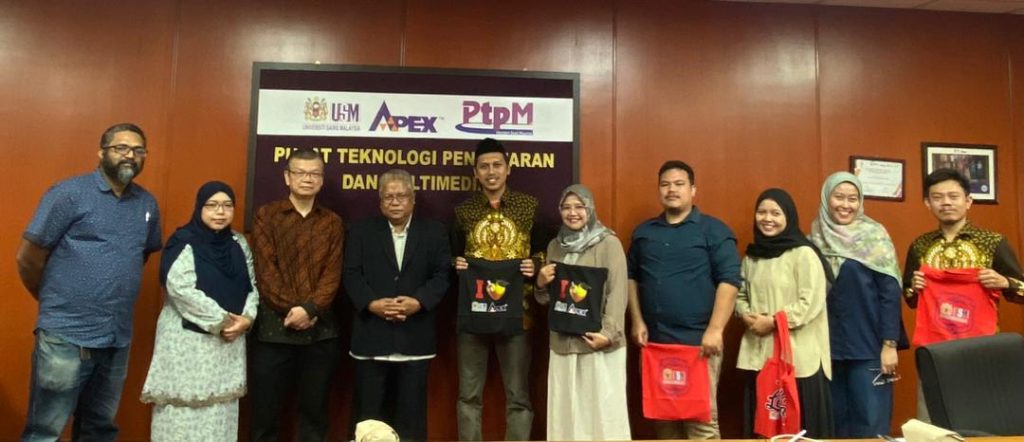
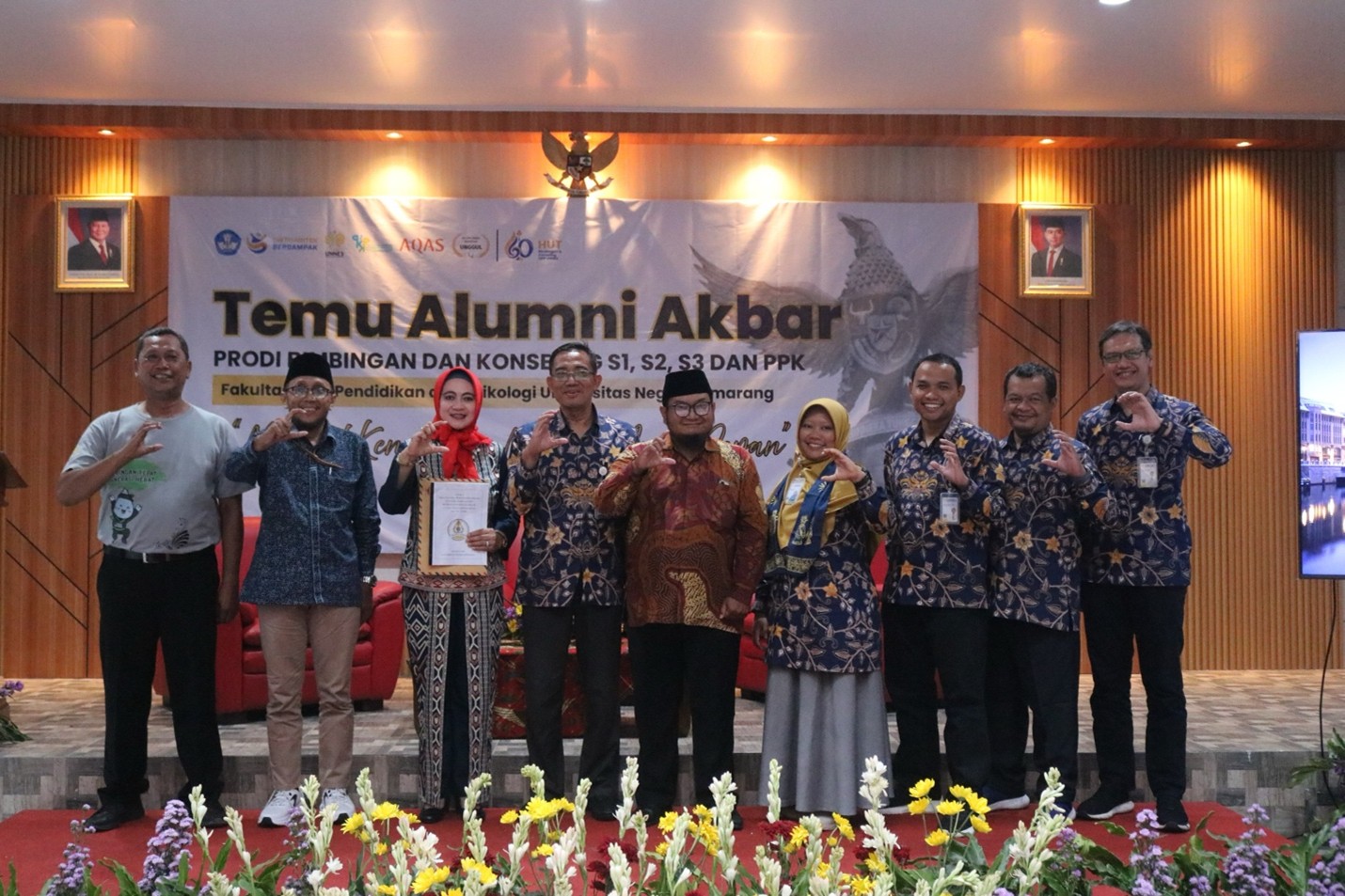
In alignment with Sustainable Development Goal 4 (SDG 4), which promotes inclusive and equitable quality education and lifelong learning opportunities for all, Universitas Negeri Semarang (UNNES) has taken firm institutional steps to guarantee that education is accessible to everyone. As a conservation and inclusive university, UNNES recognizes diversity as a source of strength and ensures that every individual—regardless of personal background or identity—has equal opportunity to learn, grow, and contribute. This commitment is embedded in university-wide policies that integrate inclusivity, non-discrimination, and accessibility into every aspect of academic and community life.
Institutional Commitment to Inclusion and Non-Discrimination
UNNES’s dedication to inclusivity is formalized in university policy No. 996/UN37/KP.06.05/2024, which declares UNNES an inclusive and anti-discrimination institution. The policy mandates equal access, services, and opportunities for all members of the academic community regardless of ethnicity, religion, race, gender, sexual orientation, disability, immigration status, social or economic status, background, or political views. This comprehensive framework ensures that every student, lecturer, and staff member can participate fully and fairly in academic and professional activities. It reflects UNNES’s commitment to fostering an environment where diversity is celebrated and equal rights are protected.
To further strengthen its inclusive education initiatives, UNNES has also collaborated with international experts by having collaboration on research and lecture series with Professor Shiralee Poed, an inclusive education specialist from the University of Queensland, Australia.
Creating a Safe and Respectful Academic Environment
UNNES upholds a strong ethical standard that requires all members of its community—professors, staff, and students—to maintain a learning and working environment free from discrimination, violence, abuse, and bullying. The policy establishes clear behavioral expectations and promotes mutual respect as a cornerstone of university culture. Through preventive measures, education campaigns, and responsive mechanisms, UNNES ensures that its academic and social environment supports physical, emotional, and psychological safety for everyone. This approach aligns with SDG 4’s emphasis on inclusive, safe, and effective learning environments.
Universitas Negeri Semarang (UNNES) reaffirms its strong commitment to creating a safe, inclusive, and respectful academic environment through the implementation of the Anti-Harassment Policy as outlined in Rector’s Regulation Number 115 of 2024. The regulation establishes a comprehensive framework for preventing and addressing harassment and violence throughout the entire university community. This policy applies to students, educators, and administrative staff, setting clear guidelines for preventing misconduct, handling complaints, and enforcing disciplinary measures. It aims to promote a zero-tolerance culture toward harassment and violence, ensuring that UNNES remains a campus where every individual feels protected and respected.
Implementation of Inclusive Programs Across All Units
To ensure inclusivity is not only a principle but also a practice, UNNES requires all university units to actively implement inclusive programs, ensure accessibility, and promote tolerance, diversity, and equality. This policy translates into concrete actions such as inclusive teaching approaches, accessibility improvements for students with disabilities, and the integration of diversity education into curricula. Each faculty, department, and administrative unit plays an active role in translating institutional policy into daily practices that strengthen community cohesion and educational equity.
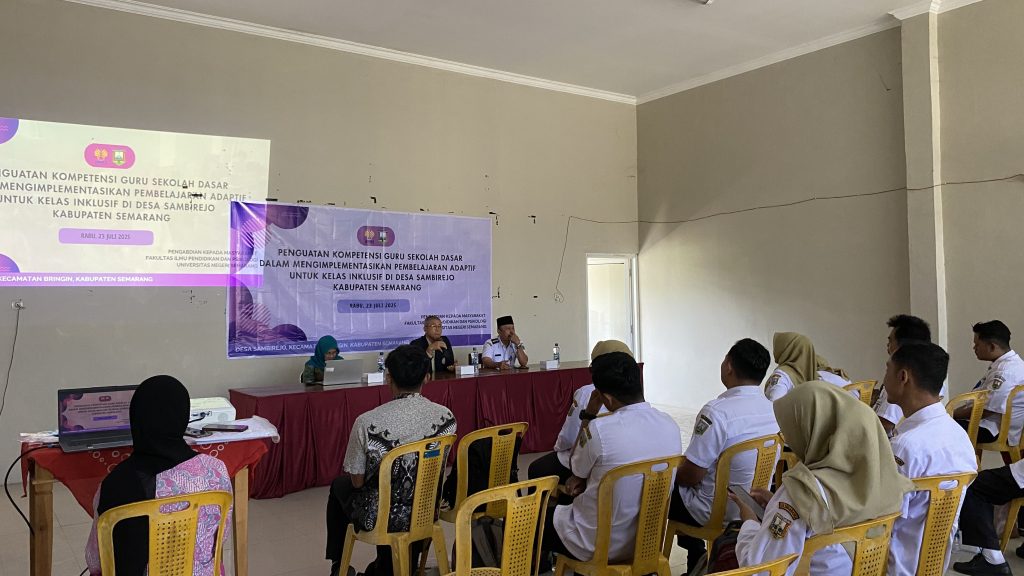
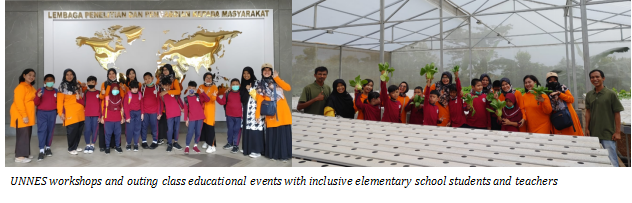
One concrete example on strengthening community on inclusivity is a community service initiative led by the faculties in Sambirejo Village, Semarang Regency. Through a training program titled “Enhancing Elementary School Teachers’ Competence in Implementing Adaptive Learning for Inclusive Classrooms,” UNNES faculties helped local teachers develop adaptive teaching skills to accommodate students with special needs. UNNES also held educational events of educational outing class with students from inclusive schools.
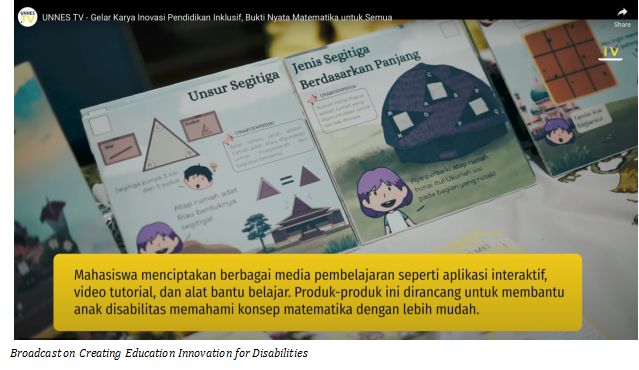
Another inclusive program was carried out through the KINEMATIKA 2024 event themed “Innovation Without Limits: Creating Learning Media for Students with Disabilities.” In this program, students designed mathematics learning media for children with various disabilities — from visually impaired to autistic students — aiming to realize equal learning rights for all. The initiative demonstrated UNNES’s genuine attention for improving access to mathematics education for people with disabilities.
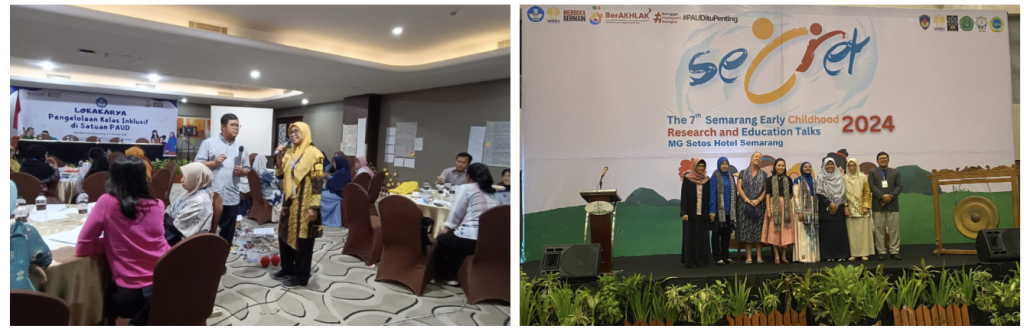
UNNES also held conferences and workshops on themes related to inclusive education. For example, a conference was held with a theme of Transforming Inclusion in Early Childhood Education to discuss, present, and share knowledge on managing inclusive class.
Support Structures for Accessibility and Protection
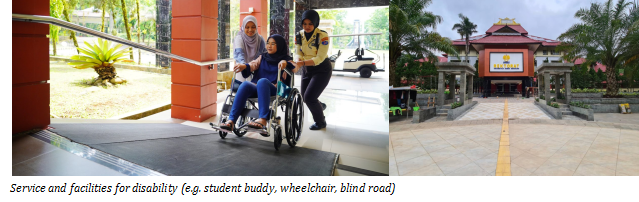
UNNES reinforces its inclusive ecosystem through dedicated support units that provide direct assistance and safeguard equal participation. These include the UNNES Counseling Service Center, which offers mental health and academic guidance; the Task Force for the Prevention and Handling of Sexual Violence, which protects the rights and safety of all individuals on campus; and the Disability Services Unit, which ensures that students with physical or sensory challenges receive appropriate accommodations. Together, these units form a coordinated support system that upholds human dignity and guarantees that no one is left behind in pursuing education.
To ensure effective implementation on Prevention and Handling of Sexual Violence, UNNES has formally established the Task Force for the Prevention and Handling of Sexual Violence (PPKS) through the Rector’s Decree Number T/3496/UN37/HK.02/2024 . The task force operates as the university’s official unit responsible for receiving reports, conducting assessments, and providing follow-up actions in cases related to harassment or sexual violence within the university environment.
Regulatory Reinforcement and Inclusive Admissions
UNNES’s inclusivity framework is further strengthened by Rector’s Regulation No. 116/2024 on Educational Services for Students with Disabilities , which guarantees equal access to both academic and non-academic facilities and programs. This regulation ensures that students with special needs receive equitable support and opportunities for participation. Additionally, UNNES’s inclusive admission policies are guided by the principles of fairness, accountability, transparency, and integrity, ensuring that entry into the university is based solely on merit and opportunity, without discrimination. Through these comprehensive policies, UNNES reinforces its dedication to equity at every stage of the educational journey—from admission to graduation.
The Universitas Negeri Semarang (UNNES) implements its new student admission process in accordance with Regulation of the Minister of Education, Culture, Research, and Technology of the Republic of Indonesia Number 62 of 2023, which amends the Academic Guidelines of UNNES 2024 and refers to Ministerial Regulation Number 48 of 2022 on the Admission of New Students for Diploma and Bachelor’s Programs at State Universities.
UNNES ensures that the admission of new students is carried out based on the following principles:
- Fairness — The admission process must not discriminate against any applicant based on religion, ethnicity, race, gender, age, social status, physical condition, or economic background, while still taking into account the applicant’s academic potential, achievements, and the specific characteristics of each study program.
- Accountability — The process is conducted in accordance with clear procedures and criteria, ensuring the integrity and reliability of every stage of implementation.
- Flexibility — Admissions are organized multiple times, allowing each prospective student to participate in the selection process up to two times, thereby widening access and opportunity.
- Efficiency — The implementation of entrance tests utilizes information and communication technology (ICT) to optimize resources, streamline processes, and ensure time flexibility.
- Transparency — Every stage of the admission process is carried out openly, and the results are made easily accessible to the public to maintain trust and credibility.
- Commitment to Educational Integrity — The process upholds the principle that the status of a State University with Legal Entity (PTNBH) must not become a gateway to the liberalization of higher education. Instead, it reinforces the spirit of inclusivity and national education values.
Through a robust combination of institutional policies, regulatory frameworks, and active support systems, Universitas Negeri Semarang (UNNES) embodies its role as an inclusive and anti-discrimination university. By translating policy into practice, UNNES ensures that access to education, facilities, and opportunities is truly open to all—regardless of ethnicity, religion, gender, disability, or socioeconomic background. These ongoing efforts demonstrate the university’s unwavering commitment to SDG 4, affirming that quality education must be both inclusive and equitable. At UNNES, diversity is not merely acknowledged but embraced as a foundation for innovation, collaboration, and sustainable development