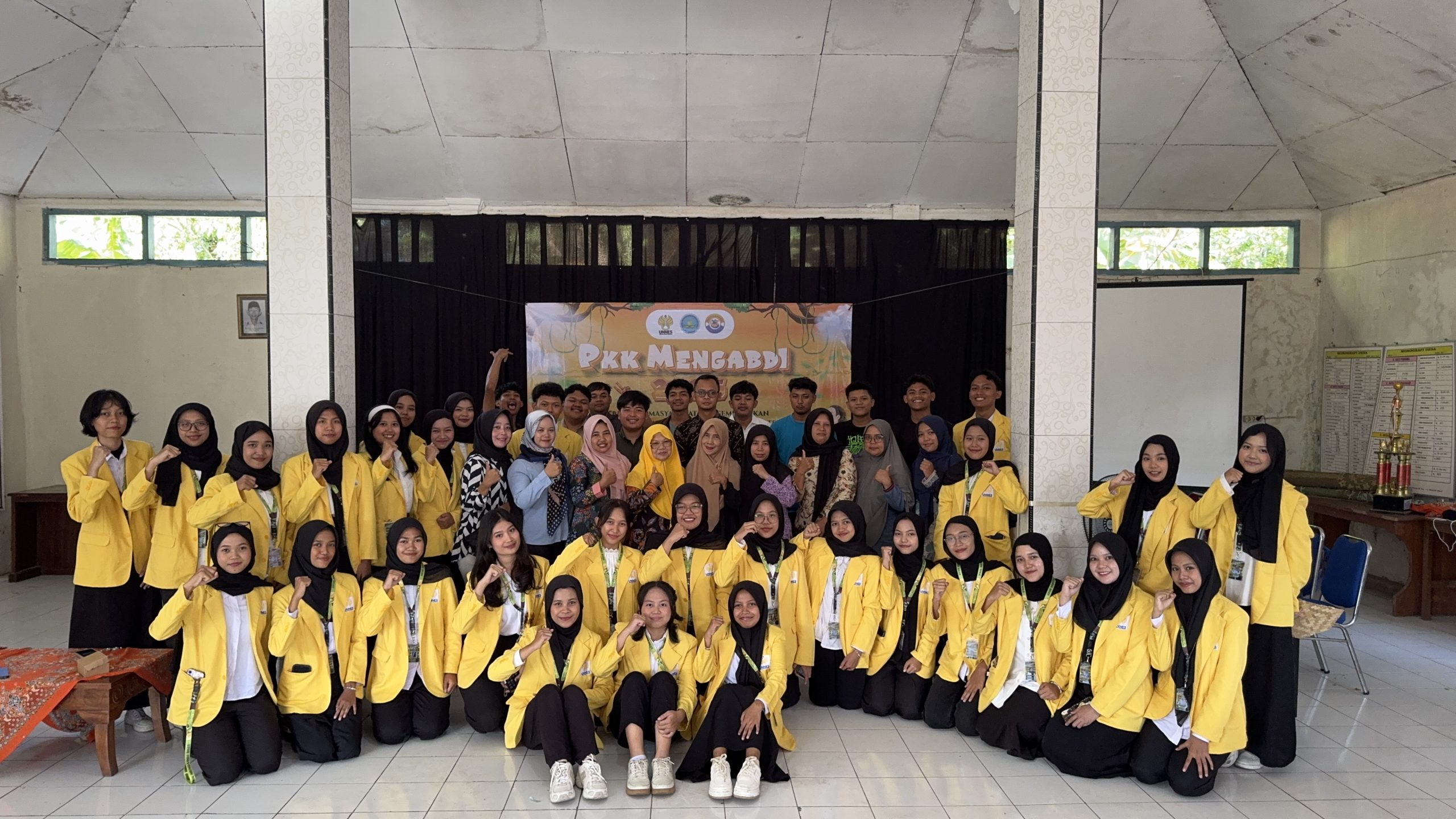
The Faculty of Medicine at Semarang State University (FK UNNES) is conducting a community service program in the form of halal education for micro and small food businesses (UMK/MSME) in the city of Semarang. This activity will occur from July 10 to August 6, 2025, and will be attended by eight partner MSMEs.
The activity, chaired by Safrina Oksidriyani, M.P.H., involved lecturers from the implementation team, namely Putri Tiara Rosha, S.K.M., M.P.H., and Refani Alycia Kusuma, M.Gz., and was supported by students from the Nutrition Study Program, Faculty of Medicine, UNNES. It was initiated due to the low number of halal certificates among MSMEs. Data from the Halal Product Guarantee Agency (BPJPH) shows that as of May 2024, only 4.4 million products have been certified halal out of a target of 10 million. In Semarang, only about 30% of food MSMEs have obtained halal certification.
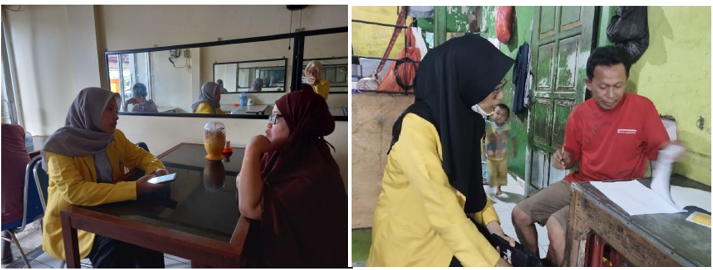
The activity began with a direct visit to the partner MSME to map their needs and conduct a pre-test. After that, participants attended education sessions on the concept of halal, the importance of certification, the latest regulations, and standard operating procedures for halal production. The training was conducted face-to-face and online via video conference. Learning materials such as modules, leaflets, and halal SOP guidelines were also distributed to participants.
“We chose this multimodal approach to be more flexible. UMK students can learn directly through simple practices or printed materials that they can study anytime,” said the team leader.
Participant engagement was evident in the enthusiastic discussions regarding technical challenges and certification costs. One participant, Mrs. Siti, a small-scale dry cake entrepreneur, shared her impressions.
Participant engagement was seen in the enthusiasm of the discussions, particularly regarding technical challenges and certification costs. One participant, Mrs. Siti, a small-scale dry cake entrepreneur, shared her impressions.
As a follow-up, the team submitted modules, SOP guidelines, and leaflets to partners as materials for continuous learning. With the results achieved, this program is expected to strengthen the halal food ecosystem in Semarang City and increase the competitiveness of MSMEs in domestic and international markets.
“This program not only improves halal literacy, but also paves the way for MSMEs to be more competitive in the market,” said one MSME.
The success of this program is clear evidence of UNNES’s role in supporting the empowerment of MSMEs and the implementation of Law No. 33 of 2014 concerning Halal Product Guarantee.